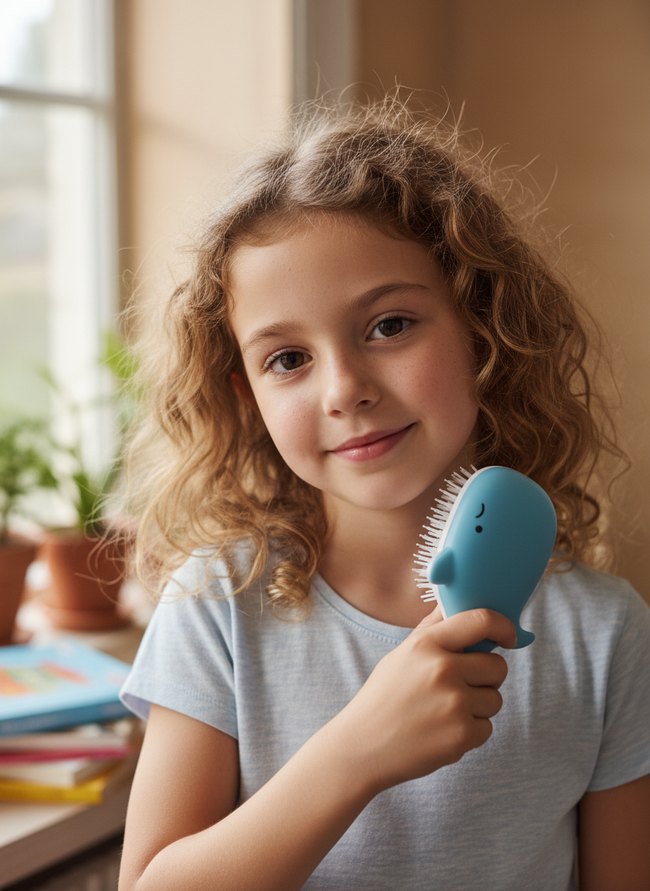
Tag: Kids & Toddler Hairstyles

  • Kids’ Natural Hairstyle Trends for 2026

    Kids’ Natural Hairstyle Trends for 2026

    Mainstream media often misses foundational shifts in youth culture, focusing instead on fleeting fads. New parents now prioritize low-maintenance elegance, shaping children’s hair with an eye toward practical beauty. Hairstyles for young people are moving toward textured shapes and soft, natural finishes. A soft, disconnected undercut provides a clean, modern frame for small faces. Crown braids, once reserved for special occasions, now appear as daily wear with simple elastic bands. Every entry below highlights this widespread turn towards achievable, everyday styles for young children. The 2026 kids hairstyle trends emphasize effortless charm and durable structure, reflecting a broader cultural desire for uncomplicated authenticity in youthful presentation.

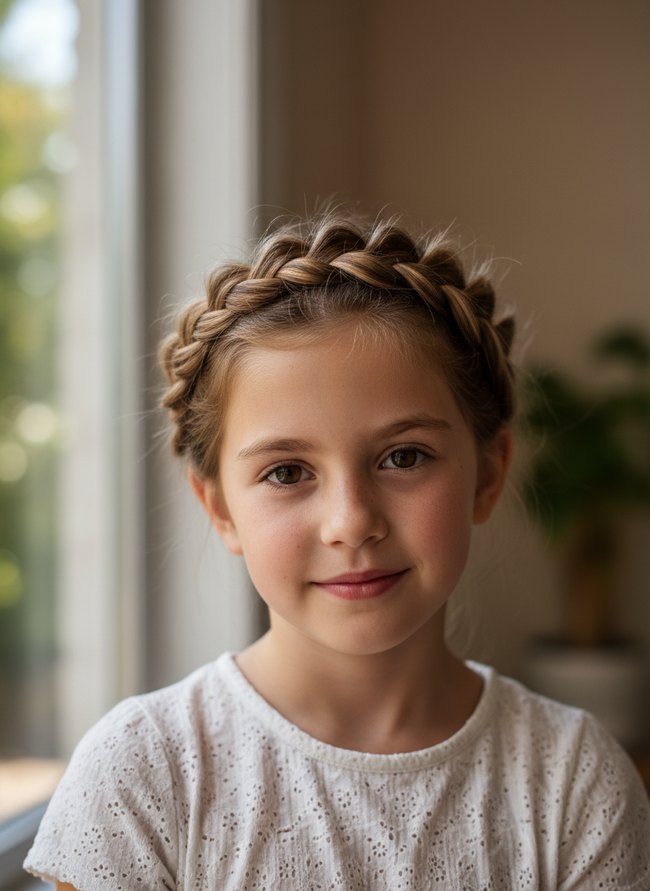
    1. Braided Crown Halo Style
    Braided Crown Halo Style

    A neat blonde braid circles the child’s head, forming a crown that keeps her hair tidy and stylish. The halo braid holds fine strands away from her warm face, creating a clean, classic look. The hairstyle offers a simple solution for managing longer hair.

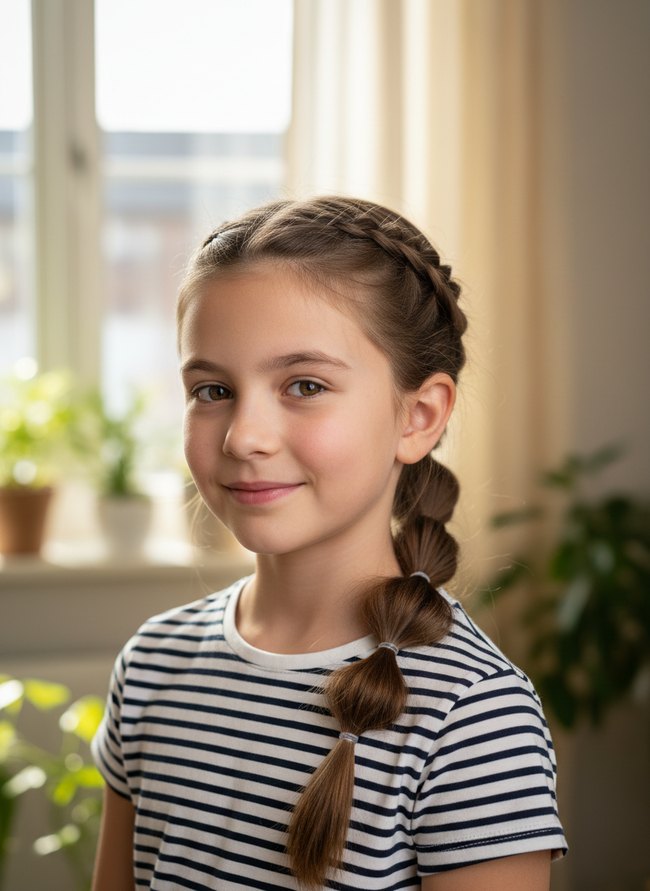
    2. Bubble Ponytail Accent Braid
    Bubble Ponytail Accent Braid

    The side bubble ponytail offers a playful, soft shape to the long brown hair. Clear hair ties create distinct, rounded sections down the girl’s shoulder. A tight French braid along the hairline adds a clean, decorative element to the crown. Clear hair ties create a polished look.

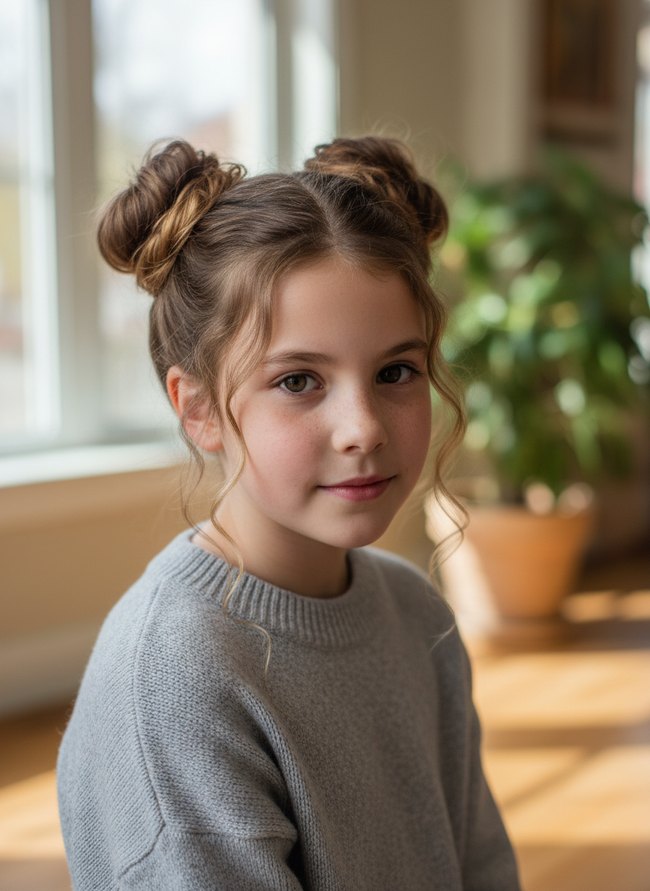
    3. Crimped Waves Pigtail Buns
    Crimped Waves Pigtail Buns

    Crimped waves add soft texture to the high pigtail buns, creating a playful, polished look. The delicate curls frame the face, softening the pulled-back hair’s overall effect. Light brown hair shows off the crimped tendrils around the ears and neck. Soft crimps frame a young face.

    4. Double Dutch Braid Updo
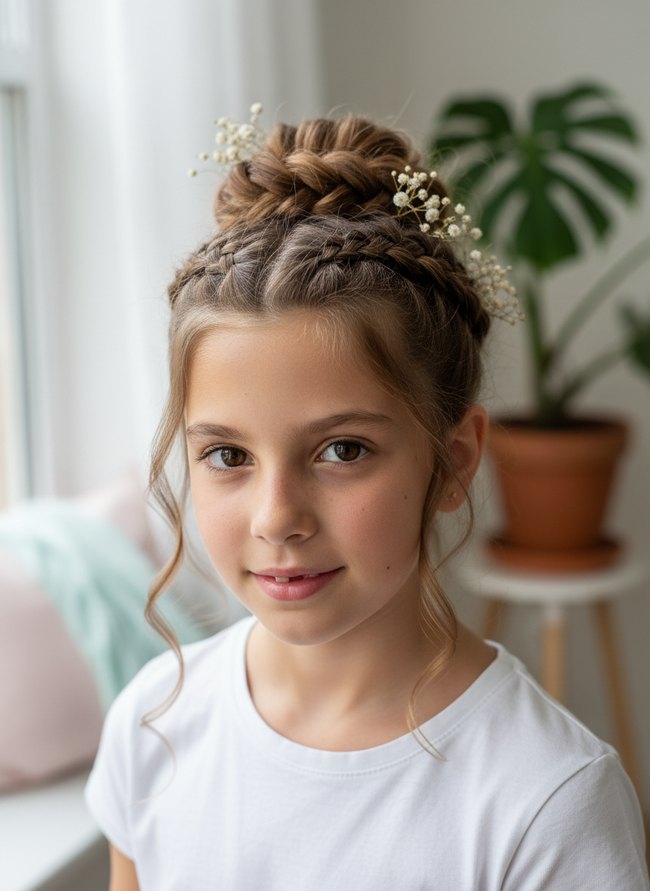
    Double Dutch Braid Updo

    The double Dutch braid updo provides a secure, stylish look for active kids. The brown braided style keeps long hair neatly contained, adding white baby’s breath flowers for a soft, decorative touch. Loose face-framing curls soften the overall appearance, offering a playful contrast to the structured braids. Consider adding small, natural floral elements to braided updos.

    5. Fishtail Side Swept Fringe
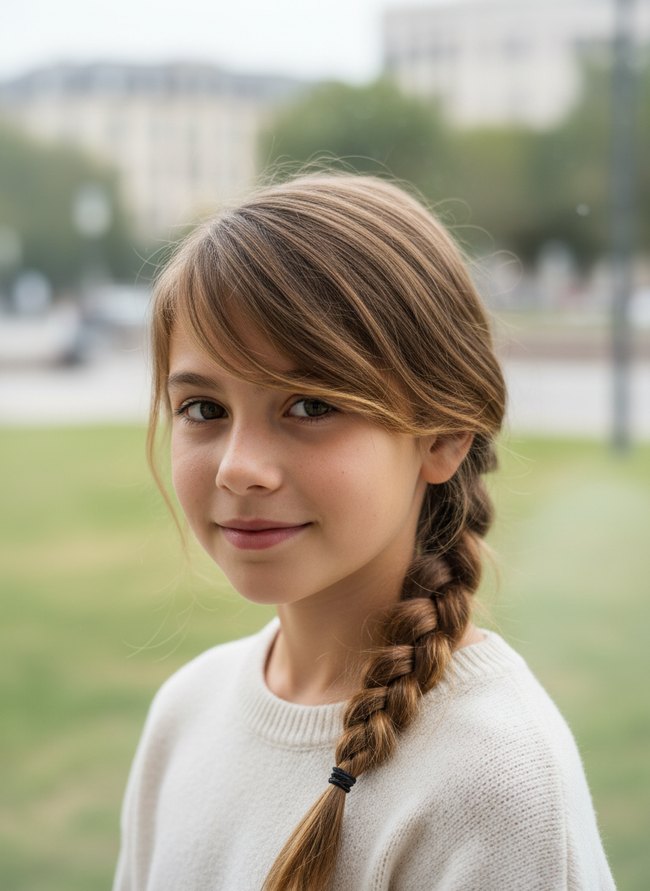
    Fishtail Side Swept Fringe

    A long fishtail braid, secured with a black elastic band, creates a neat, contained look for an active kid. Gently swept bangs frame the young girl’s face, softening her profile. Consider a side-swept fringe for your own kids hairstyle trends 2026.

    6. Half-Up Space Bun Twist
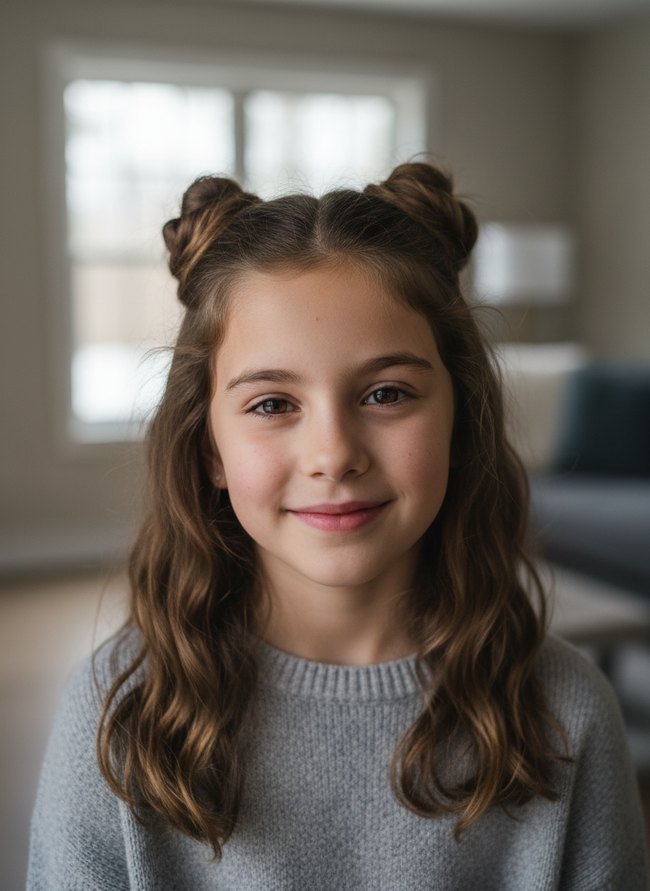
    Half-Up Space Bun Twist

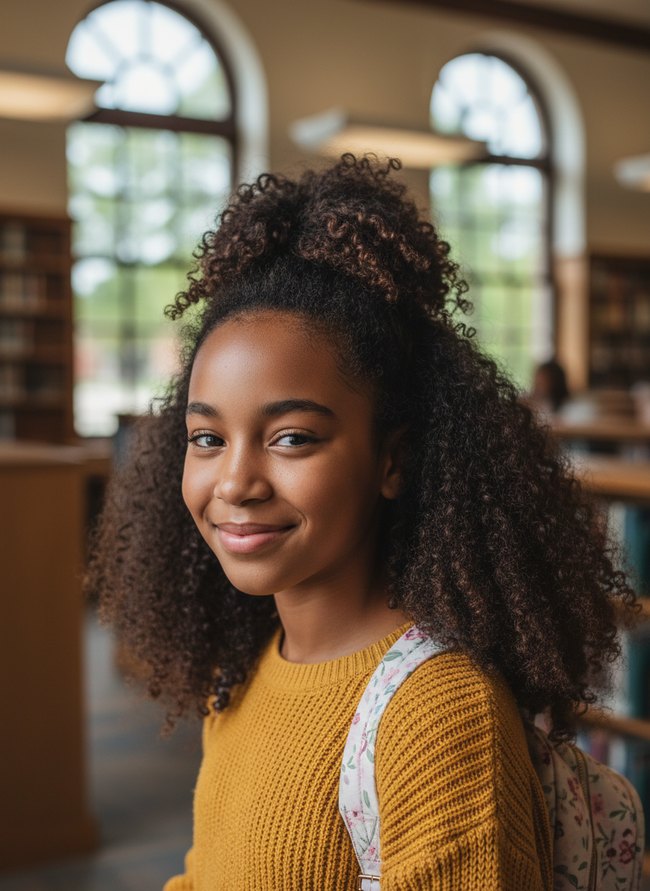
    Half-up space buns create a playful silhouette, making the hairstyle a top choice for kids’ trends in 2026. Loose brown curls cascade over the gray sweater, adding soft texture to the bottom half of the style. Hair stylists can steal the high placement of the twisted buns for a fun, energetic look.

    7. Messy Bun Headband Style
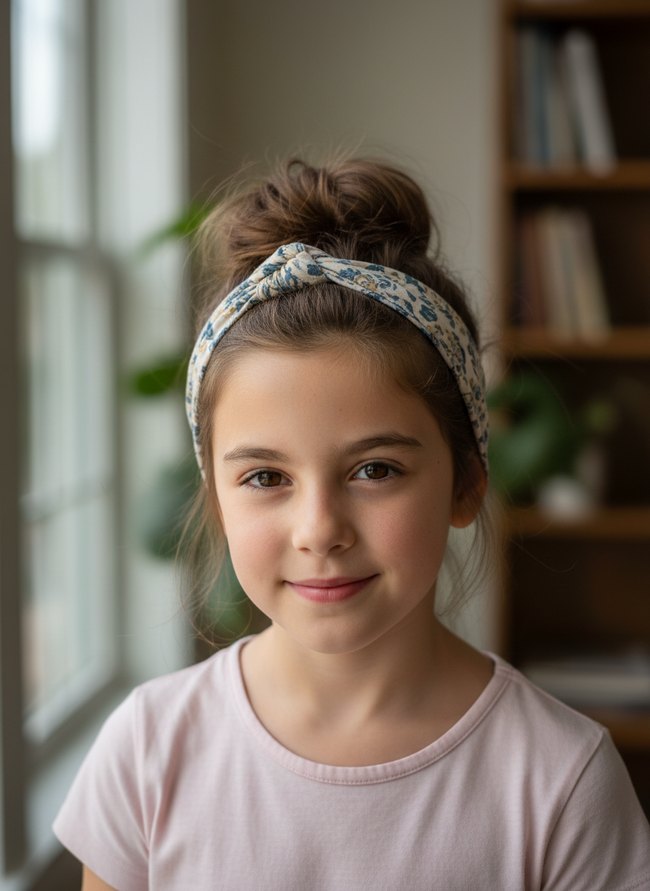
    Messy Bun Headband Style

    The knotted fabric headband, patterned with small blue flowers, adds playful style to the simple messy bun. The easy accessory instantly elevates a casual updo, making it a popular choice for kids hairstyle trends 2026. A light pink crew-neck shirt complements the soft colors of the headband, creating a cohesive, gentle look. The fabric headband is the move worth stealing.

    8. Patterned Cornrow Top Knot
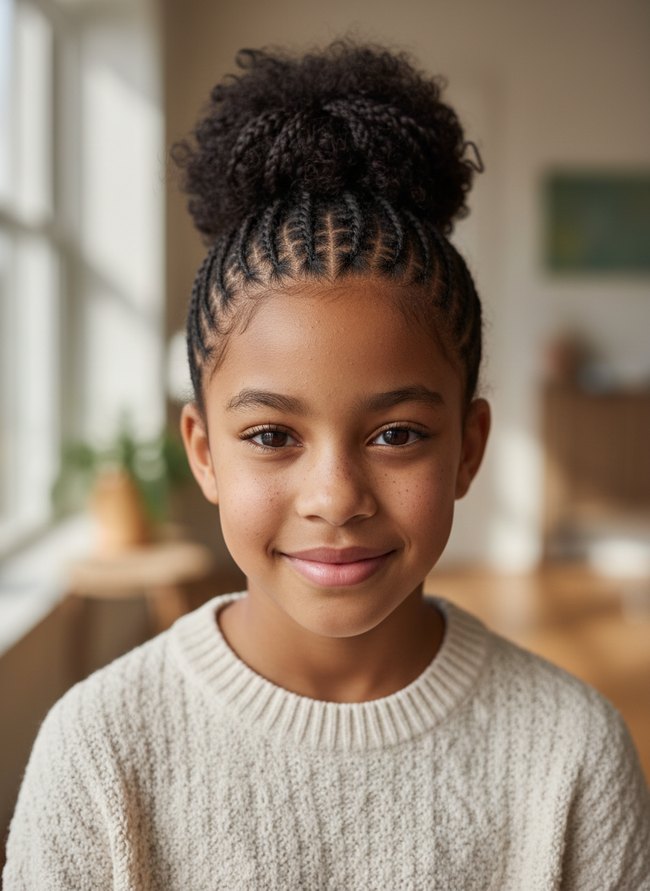
    Patterned Cornrow Top Knot

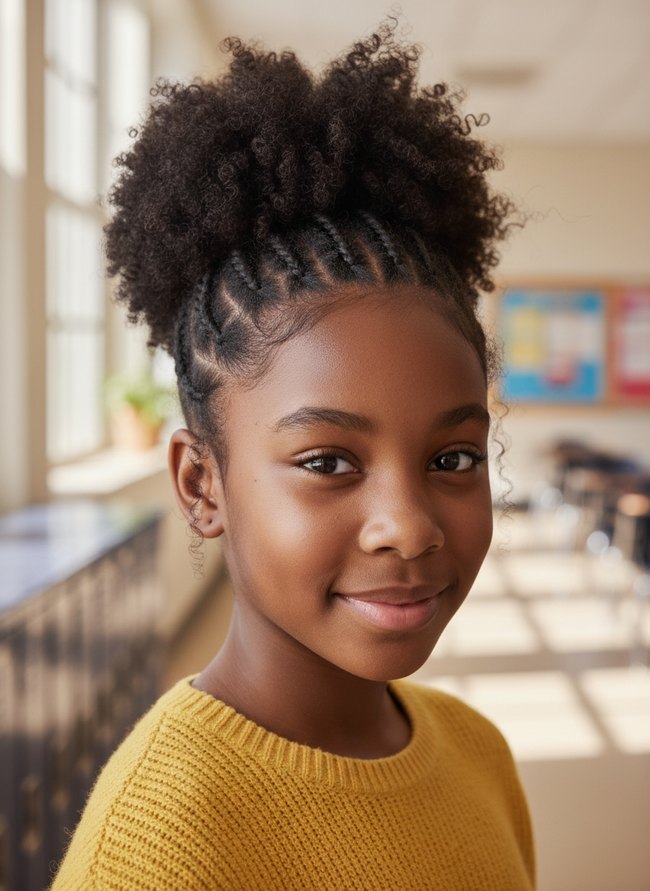
    A cornrow pattern on the young head creates a geometric crown, drawing attention upward to the textured bun. Small braids form neat rows across the scalp, giving a clean, polished look. A soft, light-colored sweater adds a gentle contrast to the dark hair, providing a simple background for the detailed style. Parents can use intricate patterns to highlight a high bun for their children’s hairstyles.

    9. Soft Textured Afro Puffs
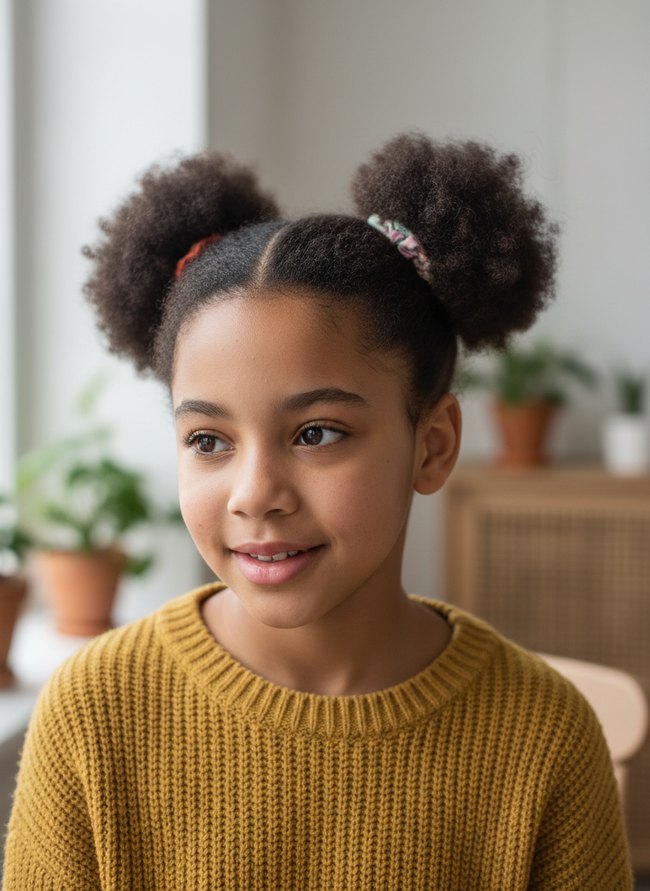
    Soft Textured Afro Puffs

    Soft afro puffs, secured high on the crown, create a playful, balanced silhouette for young hair. A clean, defined center part separates neat sections of dark hair. A single colorful scrunchie holds each textured puff. The move to steal from the hairstyle is the strategic placement of the double puffs.

    10. Sparkle Accent Knot Braid
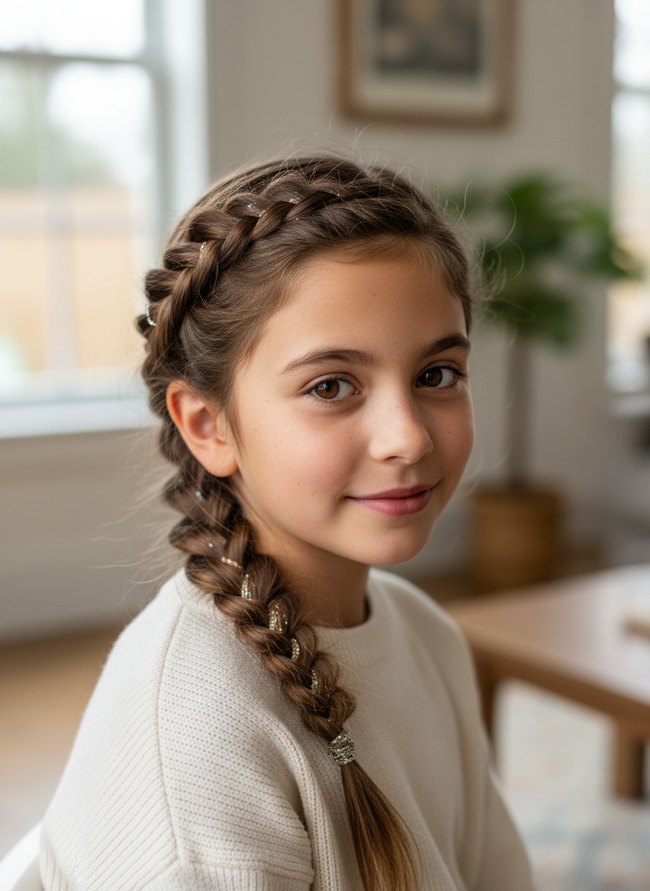
    Sparkle Accent Knot Braid

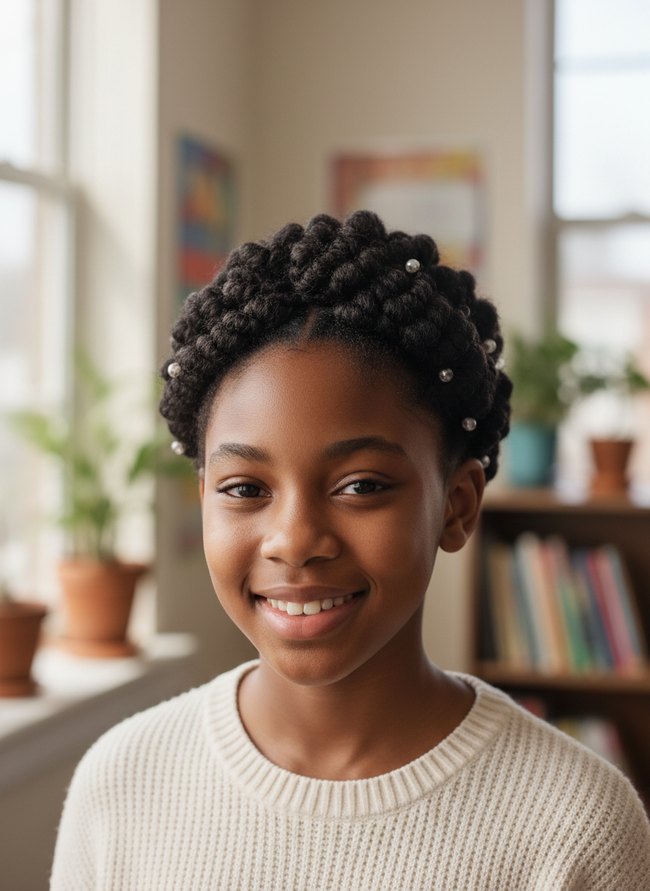
    Tiny silver sparkle accents woven into the dark brown braid create a playful, festive texture. The simple addition elevates a classic hairstyle, making it perfect for special occasions or everyday fun in kids hairstyle trends 2026. The neat crown braid and long side plait provide a structured base for the shining embellishments. Incorporate glittery hair wraps for instant charm.

    11. Twisted Mohawk Fade Detail
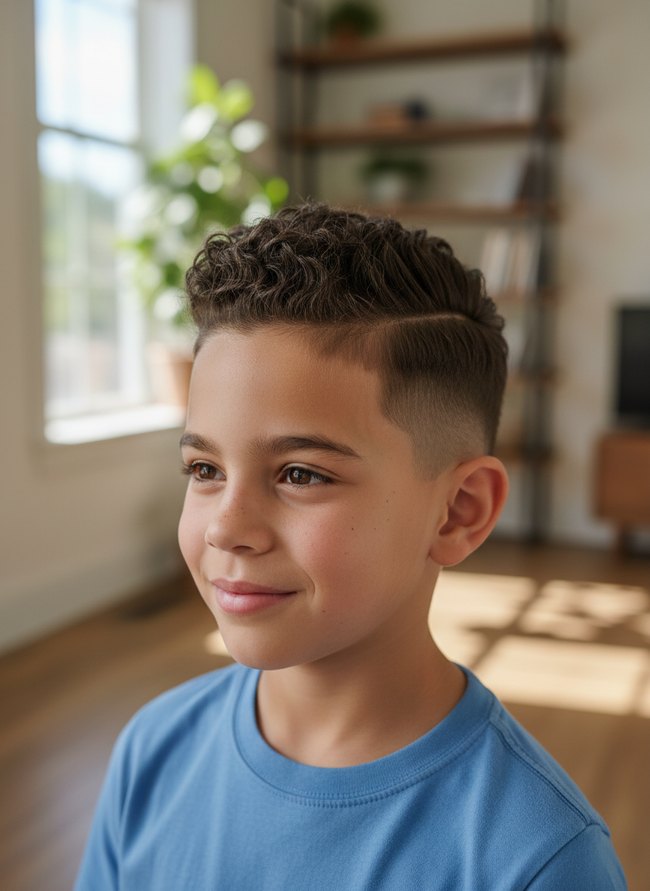
    Twisted Mohawk Fade Detail

    A crisp hard part creates a clear division between short faded sides and longer curly top hair. The sharp line emphasizes the contrast, making the curly texture pop as a key element of kids hairstyle trends 2026. A smooth, skin-level fade on the temple and ear area completes the clean, modern profile. Steal the distinctive hard part.

    12. Zigzag Part French Braids
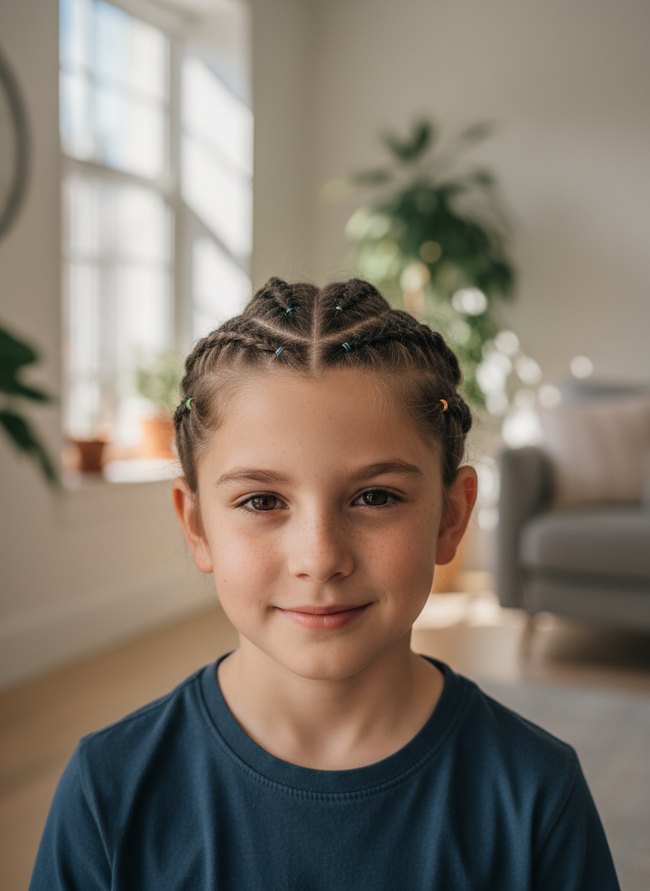
    Zigzag Part French Braids

    Zigzag parts create a playful, dynamic pattern on the child’s head, giving French braids a fresh look. Small, colorful hair ties secure the braid ends and add tiny pops of visual interest. Natural brown hair keeps the style grounded and versatile for many occasions. You can easily steal the idea of using zigzag parts to elevate simple braids for any kids hairstyle trends 2026.

    The ‘Texture-First’ Imperative: Deconstructing the 2026 Shift in Hair Fiber Manipulation

    Texture, not style, drives 2026 kids’ natural hairstyle choices. Hair fiber, with its unique coil patterns and individual strand thickness, now dictates the overall shape. A tightly coiled, dark brown crown, for instance, resists a sleek, straight ponytail, instead forming a rounded, soft silhouette. Mothers often misinterpret this resistance, attempting to force straightness with harsh brushes. That approach damages the hair shaft, creating frizzy ends and brittle strands.

    Instead, stylists now work with the hair’s natural spring. Deeply textured, jet black curls, for example, find their best expression in a full, sculpted afro. This intentional shaping celebrates the hair’s inherent volume. A light, moisturizing cream helps define each individual curl. Fine, wavy, honey blonde strands, however, look best in loose, cascading styles that show their delicate movement. Parents should avoid heavy gels on this hair type. These products weigh down the delicate waves, creating a stiff, unnatural finish. Understanding the hair’s inherent nature unlocks truly vibrant and healthy kids’ natural hairstyles.

    Biomimicry in Braiding: Applying Structural Integrity Principles to Micro-Interlacing Techniques

    Bonus: Biomimicry in Braiding

    Nature designs for strength and flexibility. Consider a spider’s silk, a single strand showing immense tensile strength. Braiding techniques in 2026 borrow this principle, focusing on distributed tension across many micro-interlaced strands. A tight single cornrow, for instance, pulls hard on a small section of scalp. Meanwhile, a collection of tiny box braids spreads that same pulling force over a much wider area.

    This even distribution protects delicate hair follicles. Overly tight hairstyles, like a single high ponytail, create pinpoint stress. Young hair strands, pulled taut, can experience breakage at the root. Micro-braids, woven with consistent, light tension, allow for natural movement. The intricate pattern of a fishbone braid, with its numerous small crossovers, mirrors the overlapping scales on a pinecone. This multi-point connection reduces individual strand strain. You will notice a softer feel, too, against your child’s sensitive scalp. The goal remains long-term scalp health and lasting braided styles, built on nature’s blueprint for durable, flexible structures.

    Which Idea Will You Try First?

    That’s 12 different takes on kids hairstyle trends 2026. The best ideas above are usually the smallest moves — one material, one layout shift, one piece of furniture in the right place. Pick whichever room feels closest to your space and start there before tackling the rest.

    Found an idea worth keeping? Save this post to your Pinterest board so it’s waiting for you when you’re ready to start your own project.
  • Braids vs Twists for Kids: Which Lasts Longer and Hurts Less

    Braids vs Twists for Kids: Which Lasts Longer and Hurts Less

    Tiny hands pull at fresh cornrows. A little one squints, a red mark visible on her soft brown temple. Parents want their child’s hair to look neat without causing tears. Many parents wonder about the best protective hairstyle for their small humans. Braids vs twists for kids offers choices, but which option truly offers more comfort and durability for active children? The article shares what real families discovered about wear time and scalp tenderness for each popular style.

    1. Toddler Braids Versus Twists

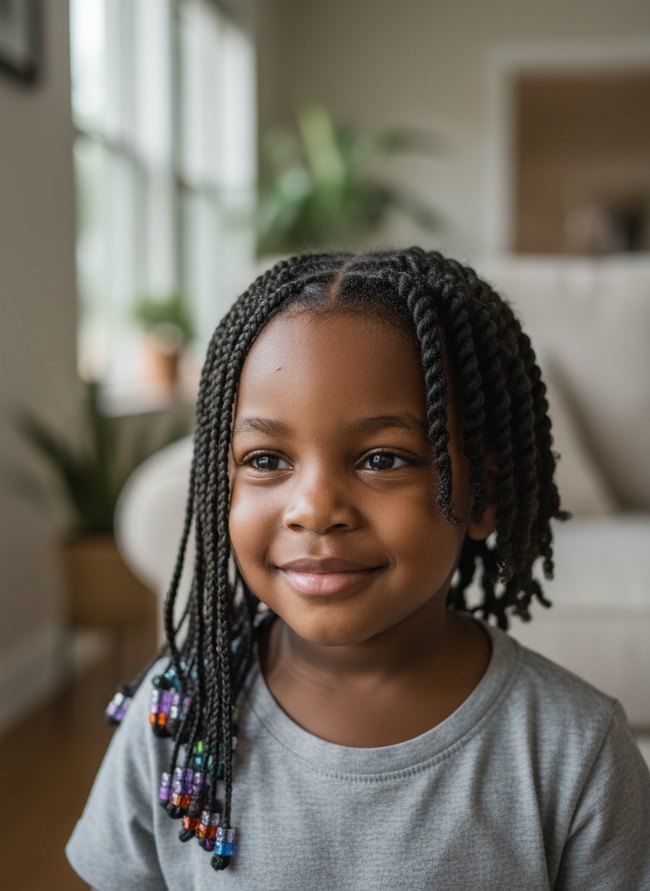
    Toddler Braids Versus Twists

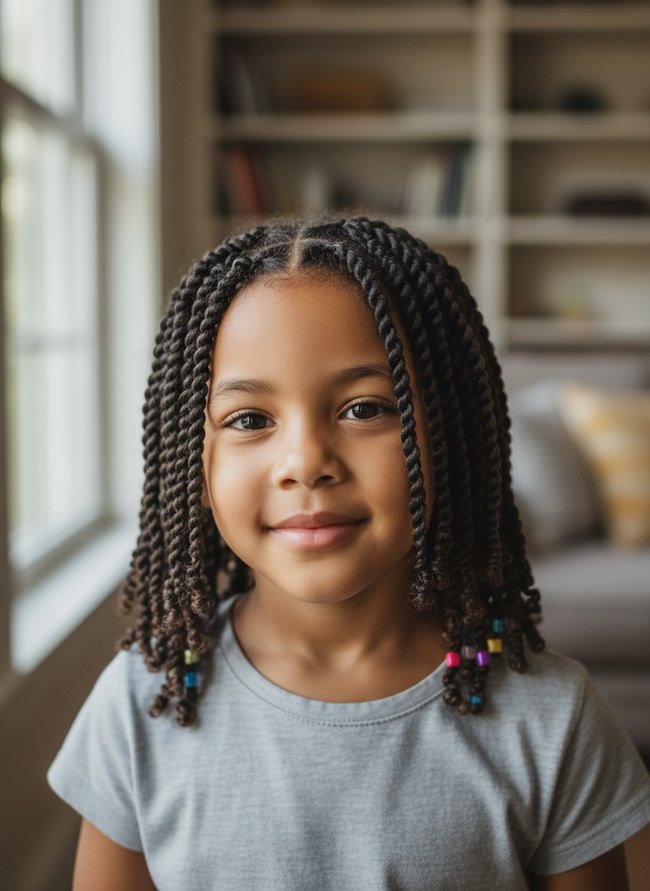
    A young child’s dark hair features two-strand twists and small braids, creating a mixed hairstyle. Colorful plastic beads decorate the ends of several braids. The image clearly shows the distinct visual differences between braids and twists for kids.

    2. Kids Cornrow Braid Style

    Kids Cornrow Braid Style

    Many small, dark braids flow over the child’s shoulders, with neat parts creating an orderly pattern across her scalp. A light-colored window in the background adds soft light to her face, highlighting the smooth texture of her skin. The cornrow braid style provides a protective option for your child’s hair.

    3. Youthful Two Strand Twists

    Youthful Two Strand Twists

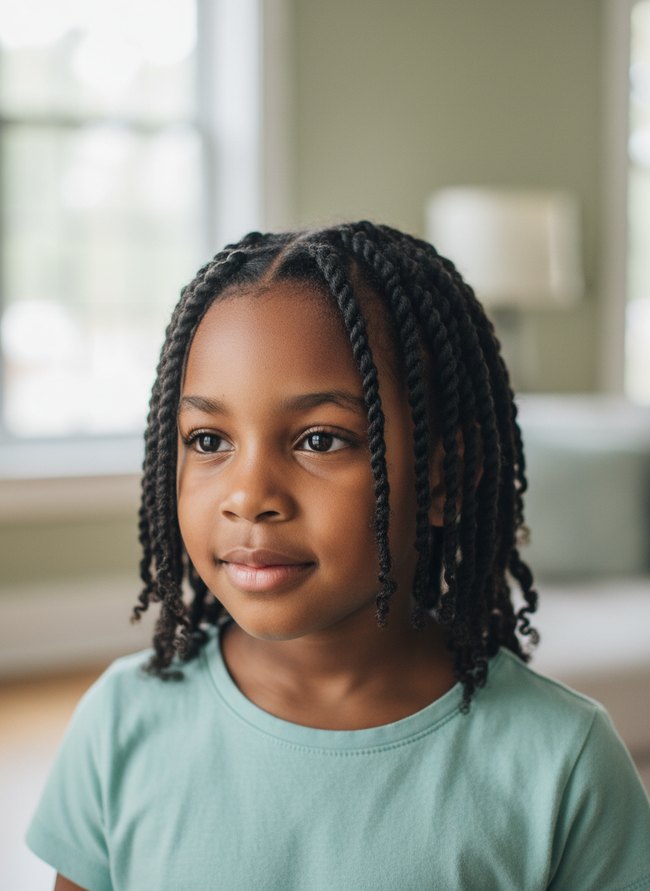
    A young child with dark skin wears numerous black two-strand twists that frame their face, offering a protective style for their natural hair. Each small twist hangs freely, providing a lightweight feel for active kids. The style is low-maintenance for parents and gentle on delicate scalps.

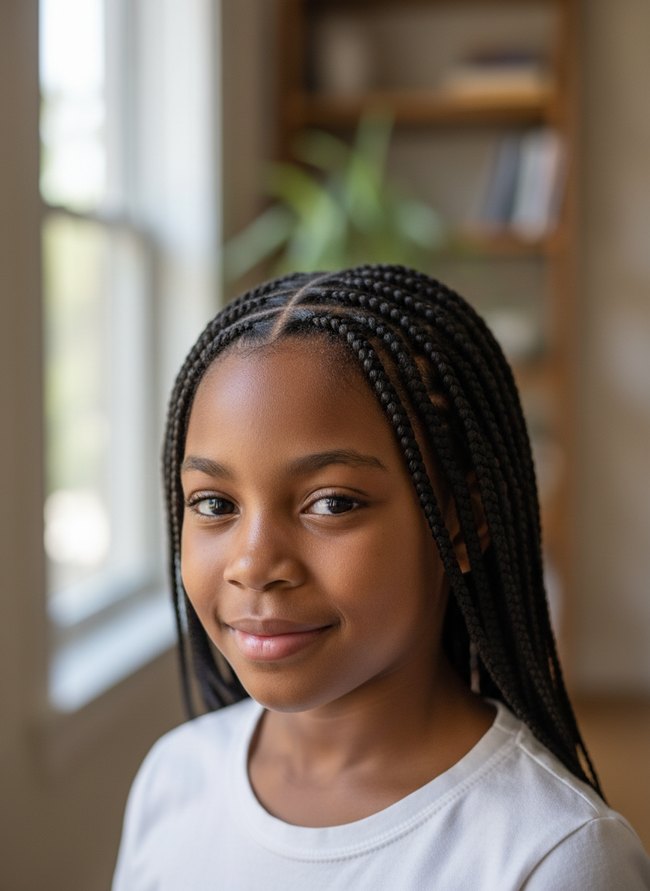
    4. Child Box Braid Look

    Child Box Braid Look

    The young girl’s long black box braids fall past her shoulders, creating an easy, protective style for her hair. Small braids show neat, square parts along her scalp, offering a tidy appearance. The braided style gives a durable option for active kids.

    5. Little Girl Twist Out

    Little Girl Twist Out

    Dark brown two-strand twists frame the young girl’s face, offering a neat, natural protective style. The twists release into soft, dark curls at the ends, giving a playful, full shape to her hair. The twist-out style gives your child a fun, bouncy look that needs little daily care.

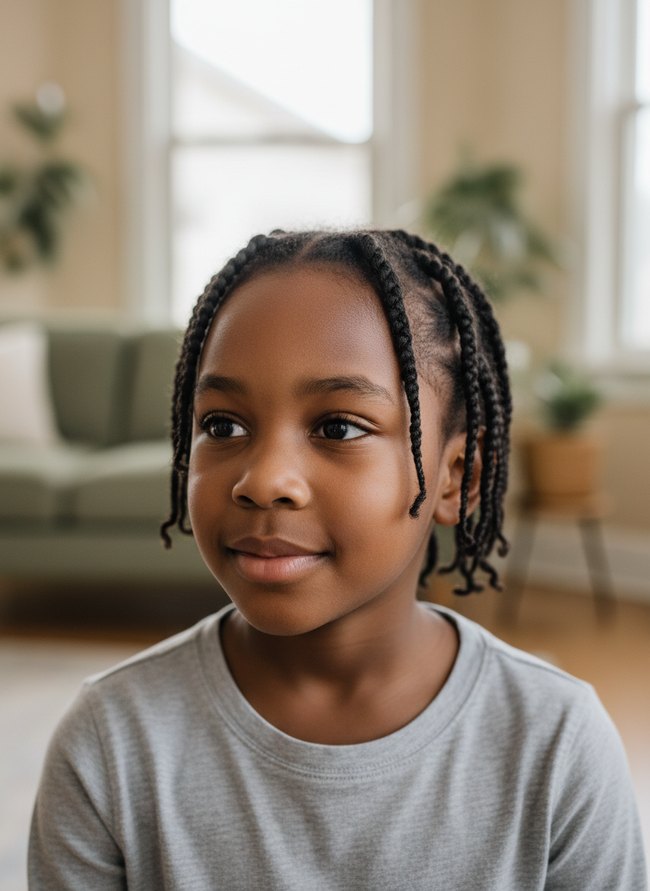
    6. Boys Protective Braid

    Boys Protective Braid

    Many small braids frame the young boy’s face, creating a neat, protective style. His dark hair is parted down the middle, with each braid hanging straight to his shoulders. Braids vs twists for kids offer a low-maintenance option that protects his natural hair.

    7. Curly Kid Twist Styles

    Curly Kid Twist Styles

    Dark brown twists frame a child’s face, with natural curls showing at the ends for a soft look. Hair can be parted in neat rows, creating a clean base for the individual twists. The style offers a gentle option for braids vs twists for kids by allowing some natural texture to remain.

    8. Infant Braid Crown

    Infant Braid Crown

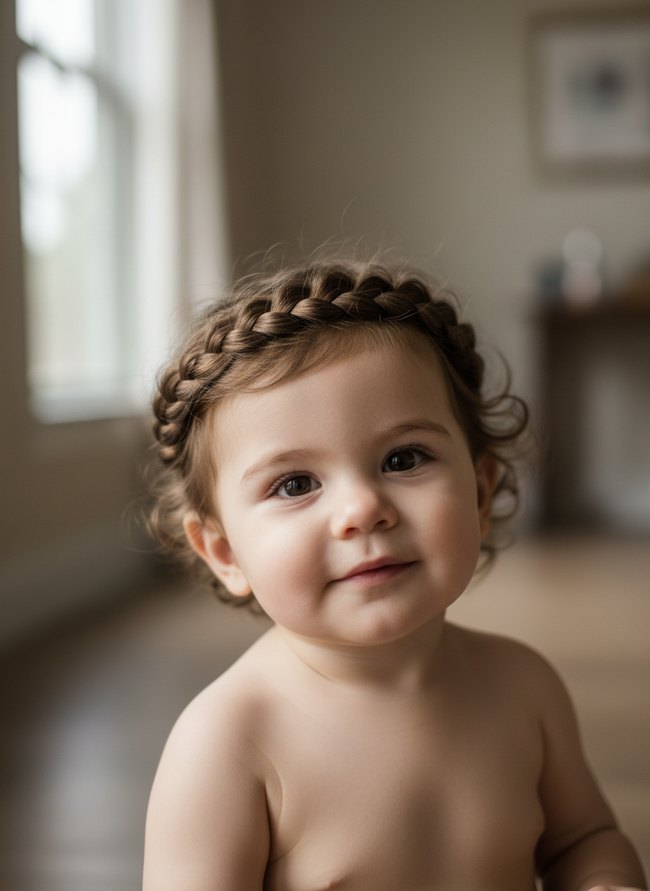
    A small child wears a neat braided crown across her forehead, showcasing a simple hairstyle. The dark brown hair forms a tight, even braid that circles the child’s head, keeping stray hairs contained. The Infant Braid Crown offers a gentle, secure option for your child’s first hairstyles.

    9. School Age Twist Updo

    School Age Twist Updo

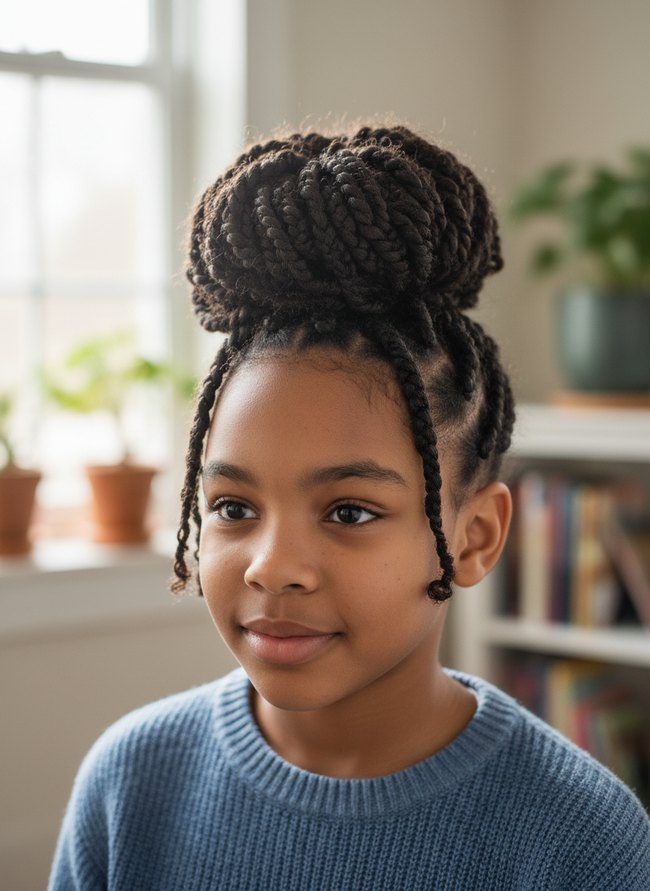
    Dark brown hair twists gather into a high, thick bun on the child’s head. Face-framing twists hang loosely near the ears, softening the updo. The hairstyle offers a neat, contained look, making it excellent for school-age children.

    10. Playful Braid Design

    Playful Braid Design

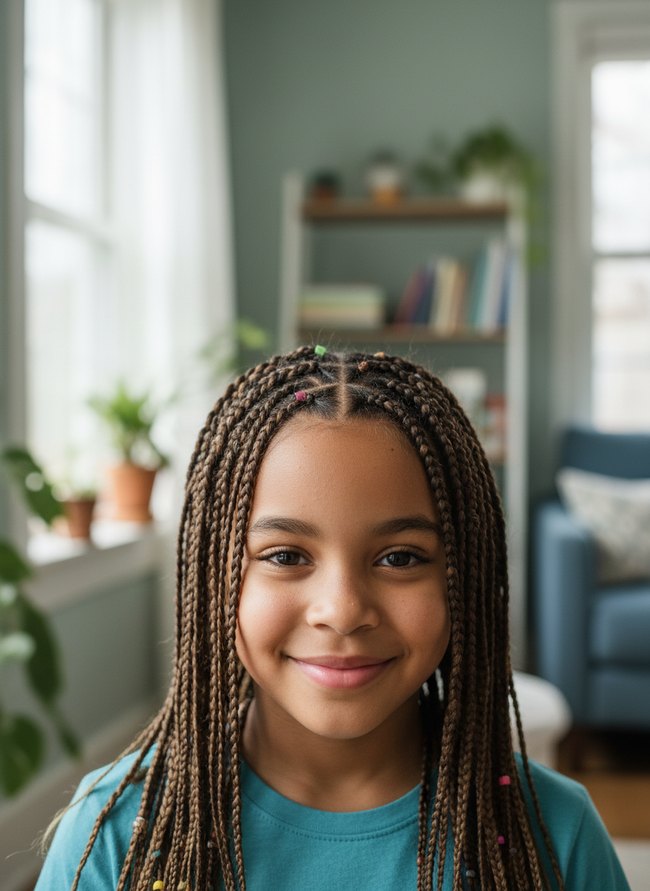
    The girl’s head features many small, neatly sectioned braids that fall past her shoulders, offering a durable, stylish option for active kids. Bright, tiny beads and elastic bands in pink, yellow, and green colors are woven into several dark brown braids near her scalp and at the ends, adding a fun, personalized touch. The braided style keeps hair contained and neat, making it a great choice for children’s hairstyles.

    11. Active Child Twist Braids

    Active Child Twist Braids

    Dark two-strand twists fall around the child’s face, offering a protective style that keeps hair neat. Small colorful beads secure the ends of the short twists, adding a playful touch. The style provides easy maintenance for busy parents.

    12. Easy Care Kid Twists

    Easy Care Kid Twists

    Dark, twisted strands frame the child’s face, falling to shoulder length with a neat, uniform look. Several small twists cascade down her head, each one showcasing the defined texture. The style offers a simple, low-maintenance solution for busy families.

    Beyond the Braid: The Unsung Hero of Kids’ Hair Protection – ‘Cornrow Prep’ as the Foundation

    …Proper cornrowing down of natural hair before adding any extensions truly extends the style’s life for your active child. Many people skip this vital step, thinking simple parts work fine. However, a tight cornrow foundation under a protective style significantly reduces scalp tension, preventing discomfort for young heads. Loose braids or twists pull hair follicles directly. Cornrowed sections spread that pulling force across the entire scalp, protecting delicate hair strands. Your child’s daily play, tumbling, and running will not loosen the style prematurely. This method prevents early slippage of the added hair, keeping the look neat for weeks longer. A precise, flat cornrow base also allows for better distribution of hair products, promoting healthier growth. You avoid tangles and matting at the root of the hair. This solid base means fewer trips to redo hair, saving you time and effort. Give your child a comfortable, long-lasting protective style.

    The ‘Fuzzy Halo’ Phenomenon: Why It’s More Than Just a Sign of Age – and How to Combat It

    Still, that fuzzy halo around your kid’s braids will make them look old fast, even after only a few days. Friction from clothes and active play creates those tiny, wispy hairs at the hairline. New growth also pops up, adding to the fuzzy appearance. Little hairs escape their neat rows.

    A good edge control product smooths down those flyaways. You need a water-based formula. Oil-based gels often leave a greasy residue, attracting more dust. Apply a small dab to your fingertips. Gently smooth it over the hairline and along the parts. This keeps the hair flat.

    Next, consider a satin scarf for bedtime. Cotton pillowcases pull moisture from hair strands. Satin fabrics let hair glide smoothly. A satin bonnet prevents friction overnight, protecting the delicate edges. This simple step preserves the sleek look much longer.

    Even your child’s hair texture plays a role. Finer hair textures tend to frizz quicker. You might need to reapply edge control every other day. Using a wide-tooth comb for detangling also helps. Small teeth snag and pull, causing more breakage. Gentle care extends the life of those neat little twists. Your effort saves you time re-doing styles.

    Which Idea Will You Try First?

    That’s 12 different takes on braids vs twists for kids. The best ideas above are usually the smallest moves — one material, one layout shift, one piece of furniture in the right place. Pick whichever room feels closest to your space and start there before tackling the rest.

    Found an idea worth keeping? Save this post to your Pinterest board so it’s waiting for you when you’re ready to start your own project.
  • Easy Holiday and Picture Day Hairstyles for Kids

    Easy Holiday and Picture Day Hairstyles for Kids

    Holiday photos carry significant meaning. Young children bounce around with bright eyes and endless energy. Your own small humans will probably fight you on anything involving a brush and hair ties. Capturing a good picture with neat hair feels like a big win. Family celebrations often bring out shiny red bows and tiny velvet dresses. A simple braid or a slicked-back style can make a huge difference in those yearly pictures. We all want easy solutions for memorable holiday hairstyles for kids. Quick fixes keep everyone happy, even during a big family gathering. Let’s make those annual photo sessions a little smoother.

    1. Sparkle Braid Crown

    Sparkle Braid Crown

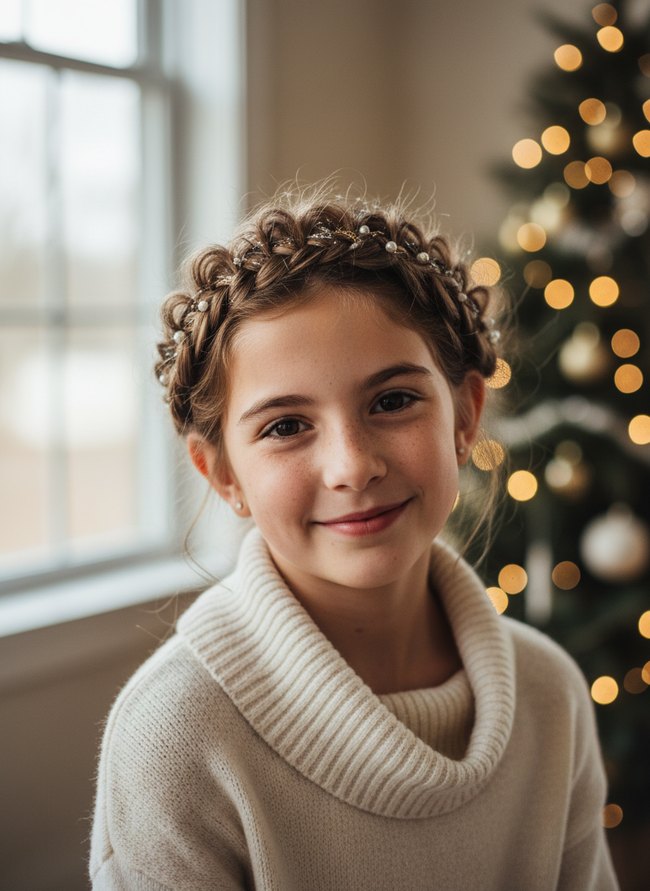
    A sweet brown braided crown encircles the girl’s head, adorned with tiny white pearls and thin gold strands. Hair can be styled by braiding it around the head, then weaving in a delicate beaded accessory. The accessory should complement hair color.

    2. Candy Cane Twists

    Candy Cane Twists

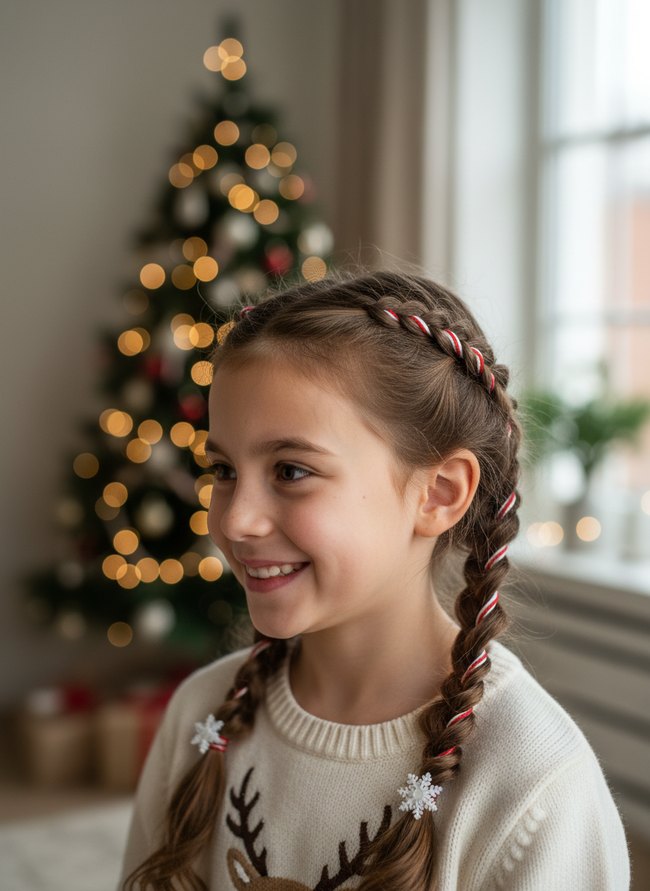
    Red and white striped ribbon woven into brown pigtail braids creates a festive candy cane look. Small white snowflake hair clips hold the braids at the bottom, adding another winter touch. Thin ribbon allows for easy weaving.

    3. Festive Ribbon Ponytail

    Festive Ribbon Ponytail

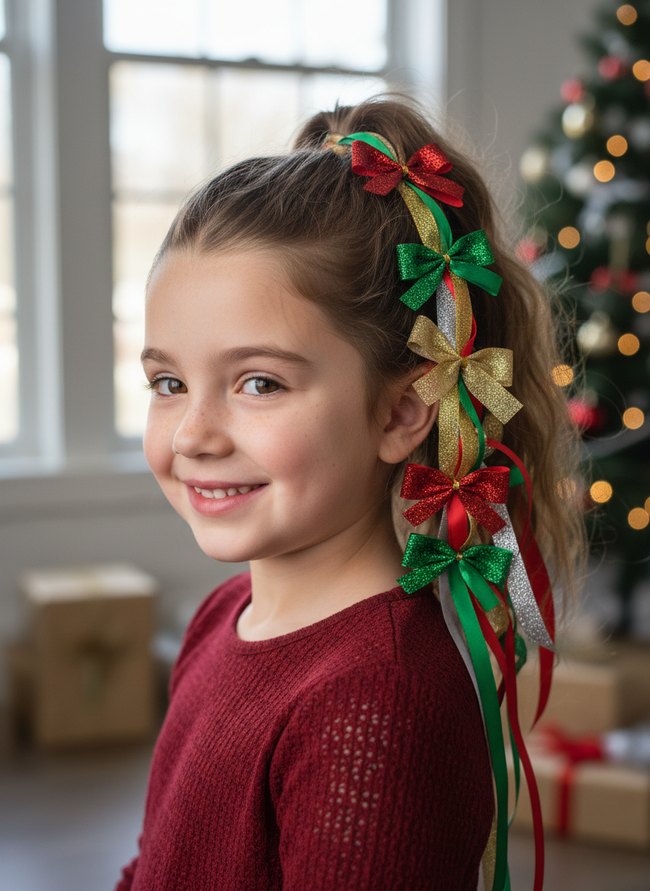
    Sparkling red, green, gold, and silver ribbons cascade down the child’s brown ponytail, each tied with a small matching bow. Hair gathers into a high ponytail, then colorful ribbons weave through the elastic. Different ribbon textures, like shiny satin and glittery fabric, add visual interest.

    4. Glitter Star Bun

    Glitter Star Bun

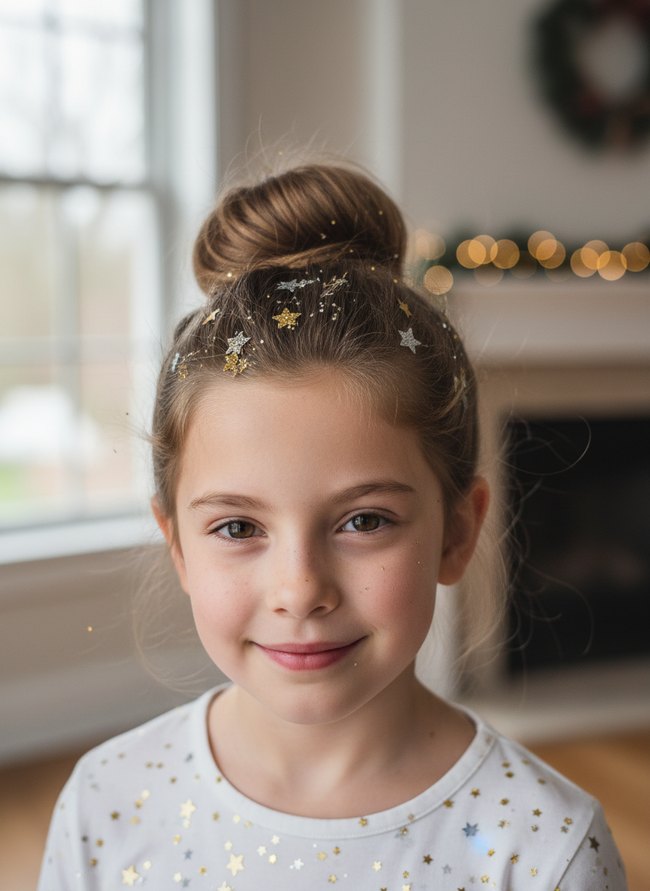
    Golden and silver glitter stars sprinkle across the young girl’s brown hair, creating a festive, sparkling look for a little one. A high bun easily achieves this holiday hairstyle; sprinkle fine glitter over the crown and around the face. Gentle hairspray holds the glitter in place, preventing migration to clothes.

    5. Winter Wonderland Waves

    Winter Wonderland Waves

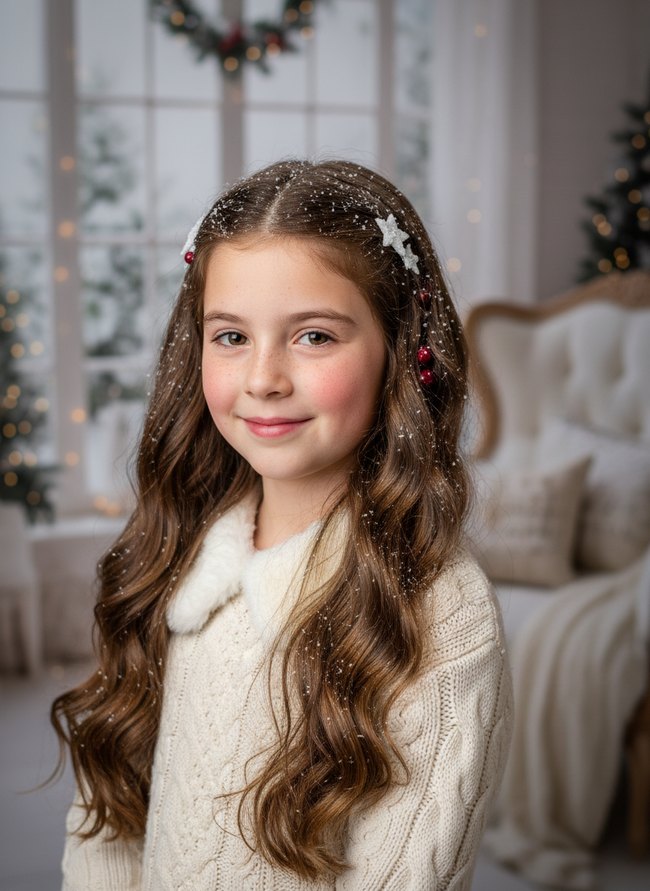
    Long, wavy brown hair powdered with white faux snow creates a magical winter wonderland look. Small red berries and white glittery star clips decorate the girl’s dark hair, adding festive touches for holiday hairstyles. Parents can easily sprinkle a little cornstarch onto a child’s styled hair to get this snowy effect.

    6. Holly Berry Updo

    Holly Berry Updo

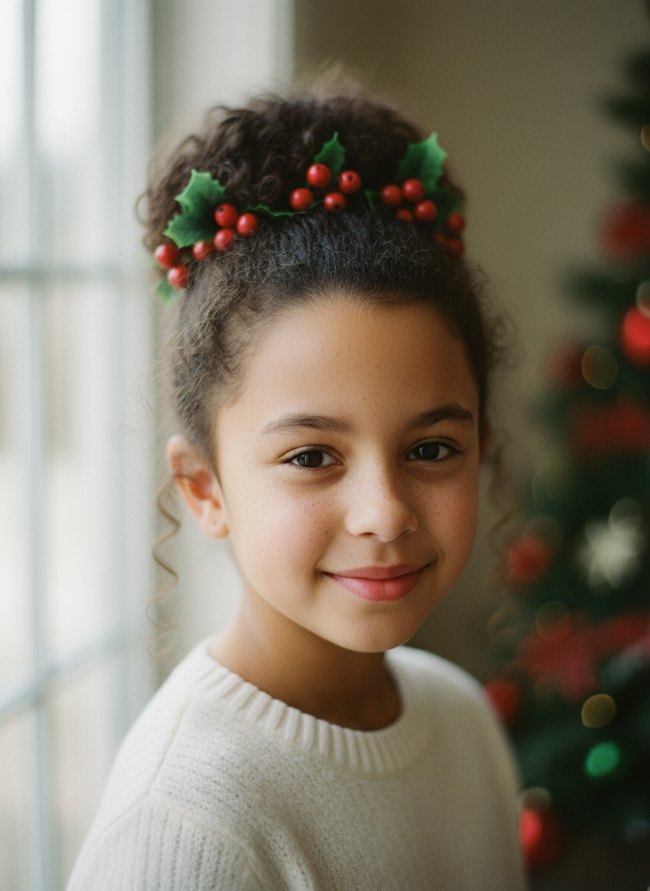
    A band of red plastic berries and green holly leaves circles the crown of the child’s dark curly hair. Pinning a holiday garland or a few sprigs of real greenery into the bun adds a festive touch to any simple updo. The hair accessory must be lightweight and securely fastened to prevent slipping.

    7. Gingerbread House Braids

    Gingerbread House Braids

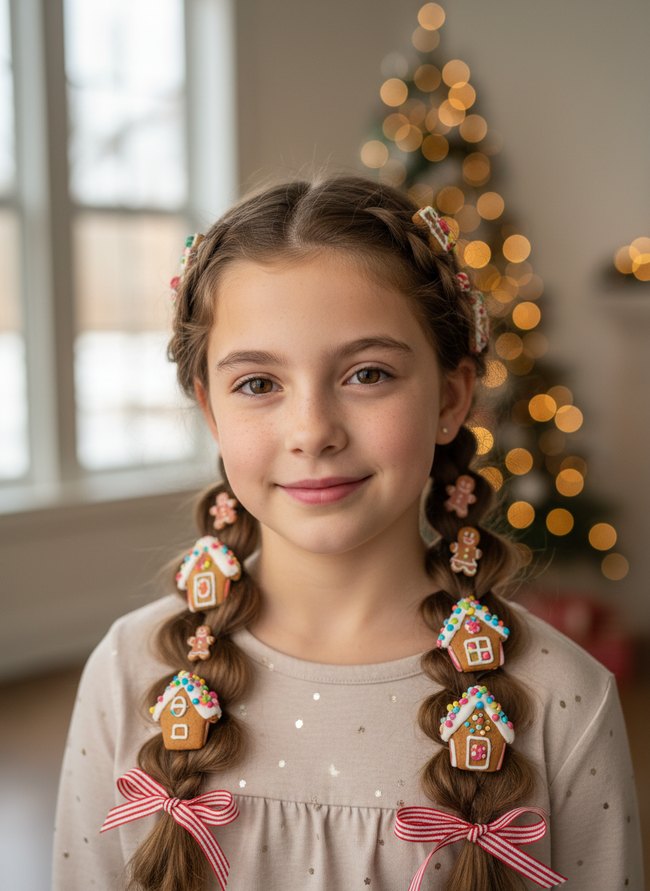
    Brown hair forms two thick braids, each decorated with tiny gingerbread house clips. The colorful clips showcase white frosting details and bright candy sprinkles, giving your kid’s hairstyle a festive flair. Small red and white striped ribbons at the bottom of each braid complete a coordinated holiday look.

    8. Jingle Bell Pigtails

    Jingle Bell Pigtails

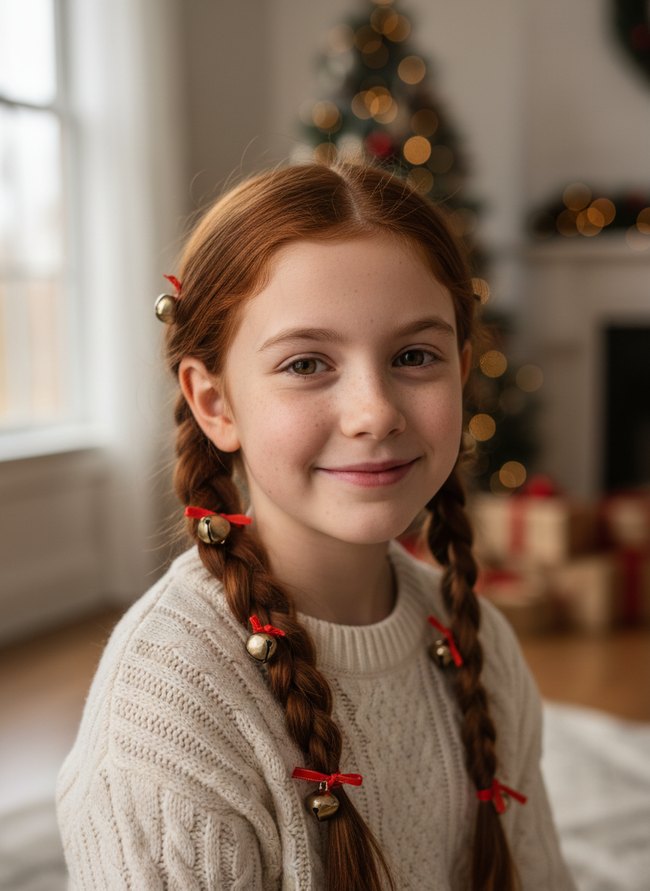
    Reddish-brown hair forms two thick braids, each decorated with small golden bells tied on with thin red ribbons. Braids easily incorporate these festive holiday hairstyles for kids into any preferred style. Attach the tiny bells securely so they do not fall out during play.

    9. Snowflake Side Sweep

    Snowflake Side Sweep

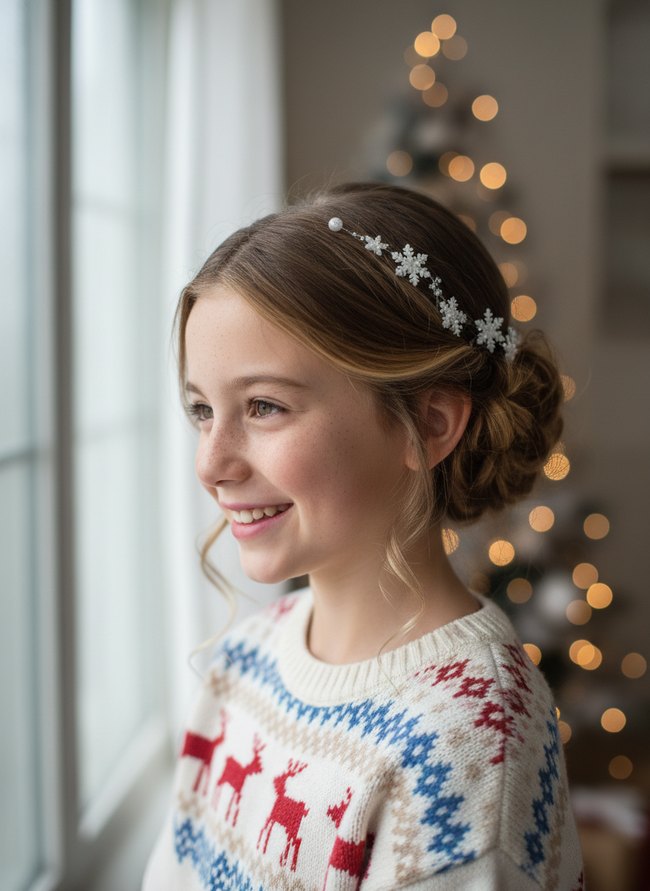
    A white snowflake headband adds a festive touch to the child’s soft brown hair. The headband sits across the crown, leading into a tidy low bun at the back of her head, perfect for holiday gatherings. For your child’s holiday hairstyles, choose an accessory that complements their natural hair color.

    10. Reindeer Antler Buns

    Reindeer Antler Buns

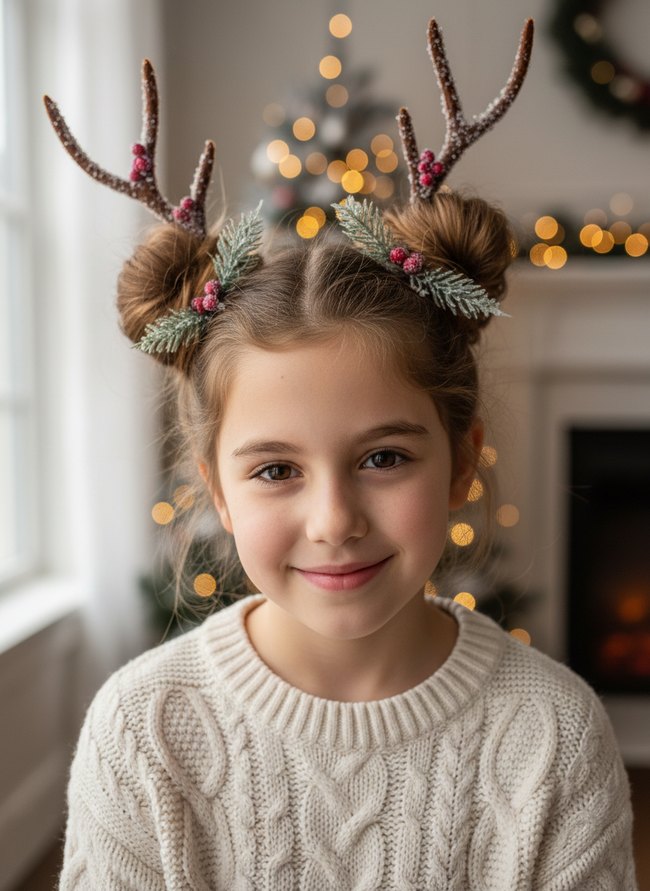
    Two brown hair buns on the young girl’s head become festive reindeer antlers with faux frosted branches and red berries. Parents can make these fun holiday hairstyles for children by securing two high buns and then adding decorative picks or clips. Hair stylists should choose small, lightweight antler decorations so the accessories stay put all day.

    11. Sugar Plum Fishtail

    Sugar Plum Fishtail

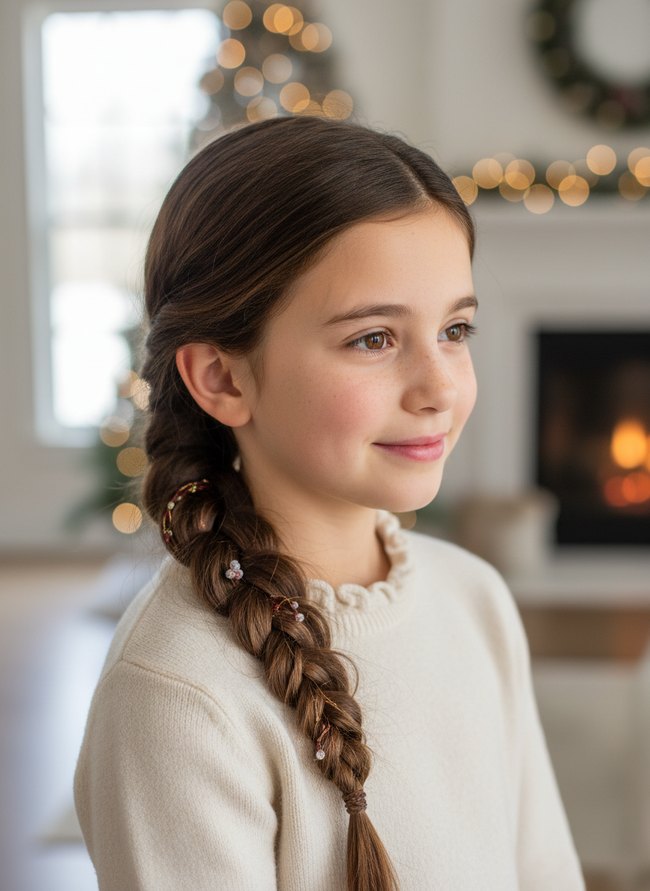
    Sparkling bronze hair ornaments catch light in a long, dark brown fishtail braid. Decorative wire or small beaded pins weave easily into any braided holiday hairstyle. Pins with rounded ends prevent discomfort.

    12. Cozy Knit Headband Style

    Cozy Knit Headband Style

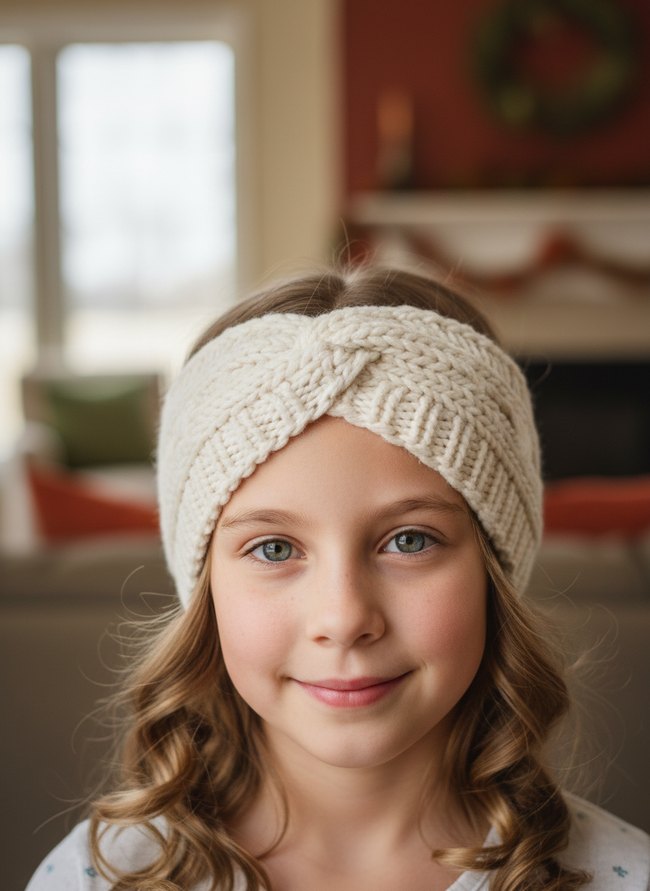
    The light cream knit headband features a twisted knot at the forehead, holding back golden brown wavy hair. The warm winter accessory frames the child’s face, creating a soft, inviting holiday hairstyle. Pair the cozy headband with loose, natural curls for a simple, festive style.

    My Child Hates Sitting Still: Quick Styles for Squirmy Kids

    Many parents believe you need hours for festive child hair. Often you will spend an hour on a complicated braid only for it to fall out. Instead, focus on one strong element. A bright red velvet bow clips into a low ponytail in seconds. Some folks try to force a tiny princess bun on a squirming toddler. That little bun will unravel before you snap the first picture. A quick headband with three silver snowflakes works wonders. You don’t need fancy tools for amazing holiday hairstyles for kids. People often think complex braids are the only festive option. Actually, a simple side part with a shiny gold barrette holds fine hair back neatly. Fussing with many small elastics just frustrates a wiggly child. A single emerald green ribbon tied around a simple braid adds instant cheer. Most stylists suggest intricate updos for holiday photos. But a high, bouncy ponytail with a sparkly scrunchie looks cheerful and stays put. You can easily achieve a polished look without tears or tantrums.

    No More Flyaways! Keeping Styles Neat All Day (and Through Play)

    Many people think hairspray is the only way to tame those wispy strands. Hairspray often leaves a stiff, crunchy helmet on young heads. Little heads need a softer touch. A dime-sized dollop of light styling cream works wonders. This clear gel smooths down stray hairs without a sticky feel.

    You might grab a thick hair tie for a high pony, believing it holds better. A tight elastic band can pull fine hairs, causing breakage. Thin, fabric-covered elastics offer a gentler grip. These soft bands protect delicate strands from damage.

    Most parents use a standard brush on wet hair. A regular bristled brush can snag tangles, creating frizz. A wide-tooth comb glides through damp locks with ease. This tool prevents pulling and keeps hair sleek for holiday hairstyles.

    Some families skip a leave-in conditioner, thinking it adds grease. A lightweight spray conditioner actually seals the hair cuticle. This misty product fights humidity, preventing flyaways from forming. Your kid’s festive styles will stay polished from breakfast to bedtime.

    Which Idea Will You Try First?

    That’s 12 different takes on holiday hairstyles for kids. The best ideas above are usually the smallest moves — one material, one layout shift, one piece of furniture in the right place. Pick whichever room feels closest to your space and start there before tackling the rest.

    Found an idea worth keeping? Save this post to your Pinterest board so it’s waiting for you when you’re ready to start your own project.
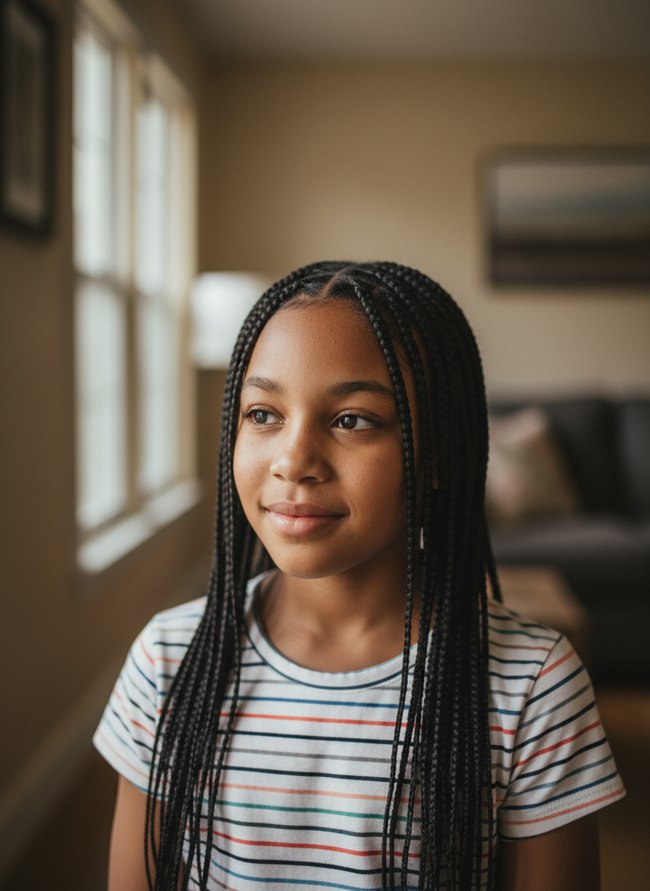
  • 20 Back to School Hairstyles for Black Girls 2026

    20 Back to School Hairstyles for Black Girls 2026

    School bells ring for new adventures and fresh looks. Your daughter needs durable styles for full days of classroom learning and playground fun. Many black girls require hair protection and easy upkeep before the morning bus arrives. Braids offer neat patterns and extended wear. Twists provide a soft texture with simple re-styling options. Cornrows showcase intricate designs along the scalp. The practical options keep coils tucked away. Explore twenty cool back to school hairstyles for black girls that blend charm with resilience.

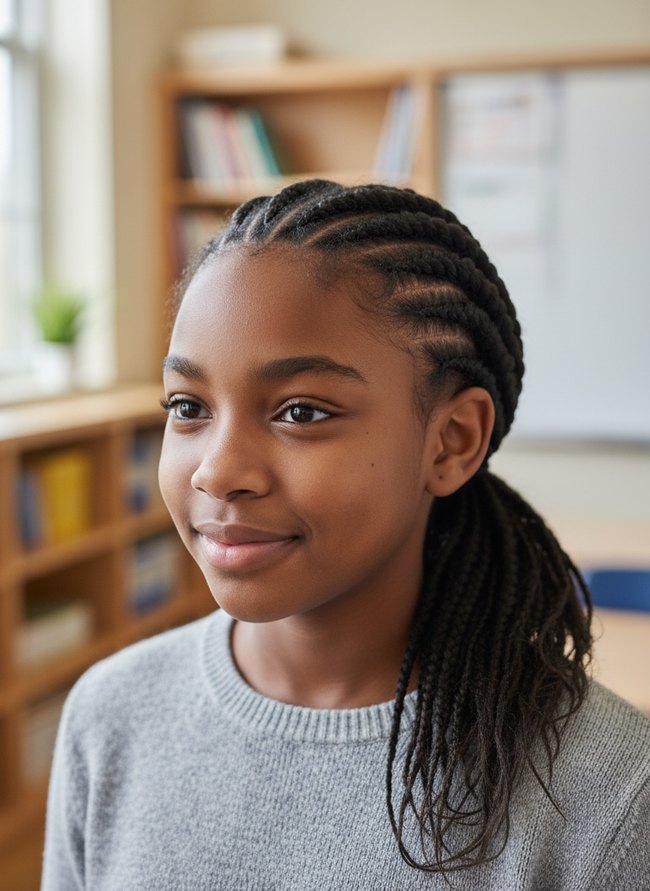
    1. Braided Crown Halo Style

    Braided Crown Halo Style

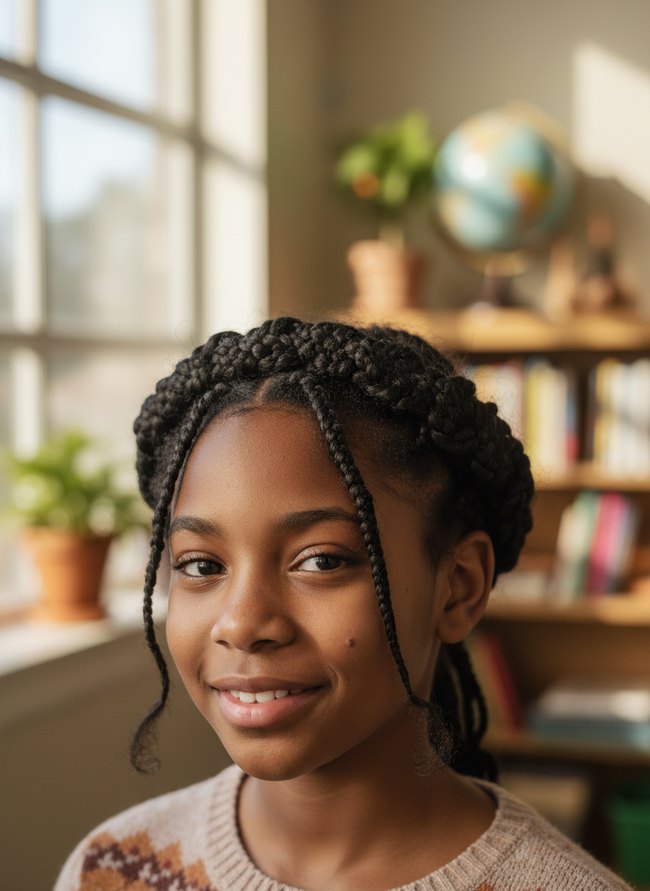
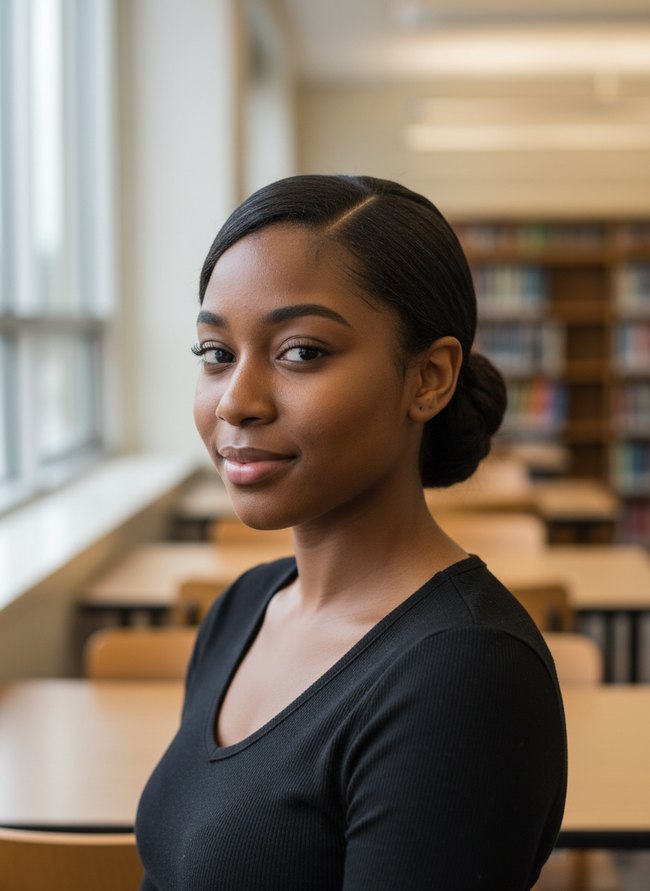
    The girl wears thick, black braids styled into a halo around her head, with two thin braids framing her face. The braided crown is a neat choice for back to school hairstyles for black girls, sitting securely for busy days. Braiding hair creates the classic look with added length and volume.

    2. Puffy High Ponytail

    Puffy High Ponytail

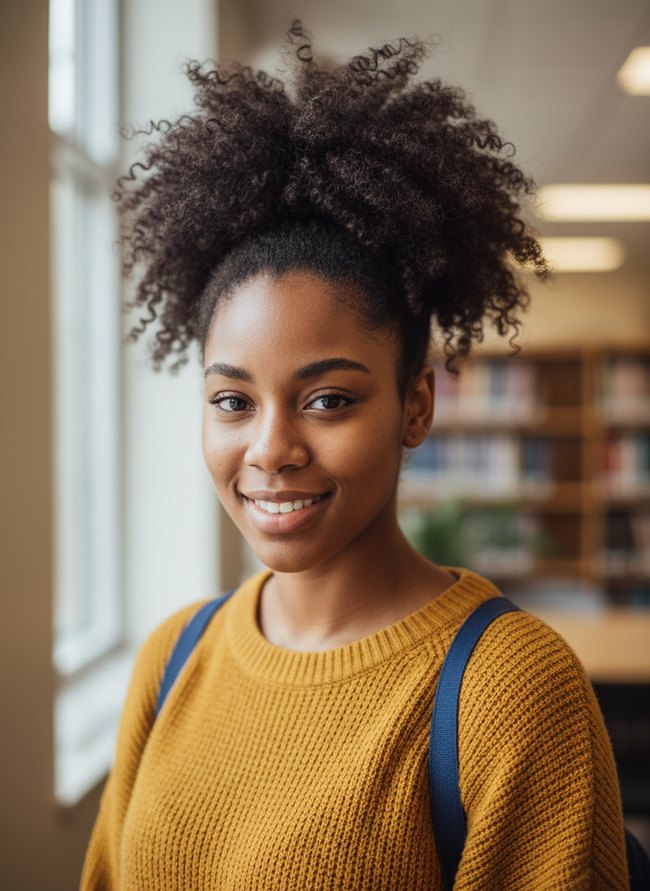
    A young student wears her dark, curly hair pulled up into a high, voluminous ponytail. Her face lights up with a wide, bright smile, showing off white teeth against her warm brown skin. The ponytail keeps hair out of the way for learning.

    3. Side Swept Cornrows

    Side Swept Cornrows

    The girl wears her hair in neat side-swept cornrows, a practical, stylish choice for back-to-school hairstyles for black girls. Dark braids curve cleanly around her head, gathered into a low ponytail behind her ear. The hairstyle offers a polished, low-maintenance look that lasts through busy school days.

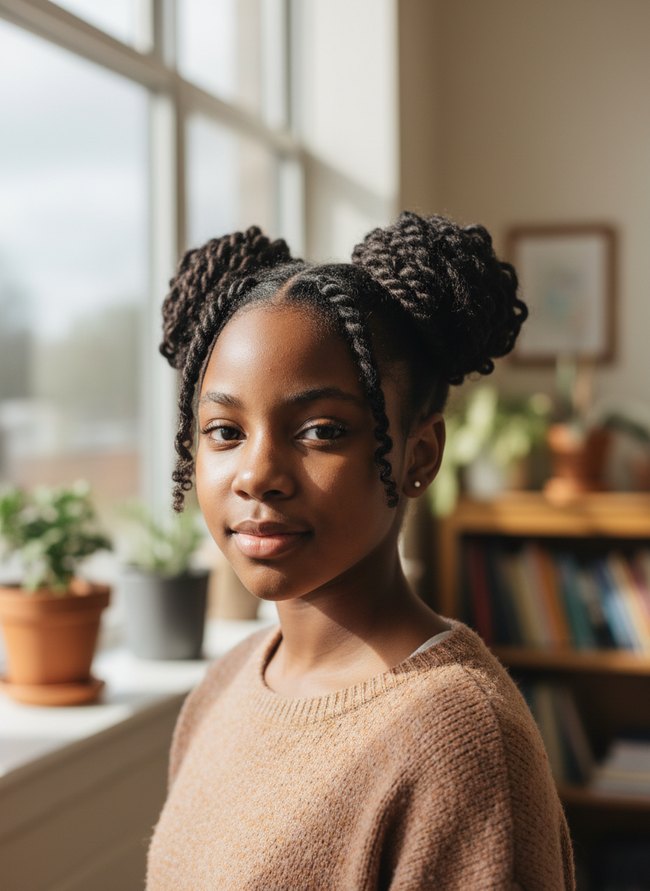
    4. Double Bun Twist Outs

    Double Bun Twist Outs

    The young girl’s dark hair forms two neat twisted buns high on her head, with small curls framing her face. Her light brown knitted sweater catches sunlight from the bright window behind her. The style offers a fun, practical option for back to school hairstyles for black girls.

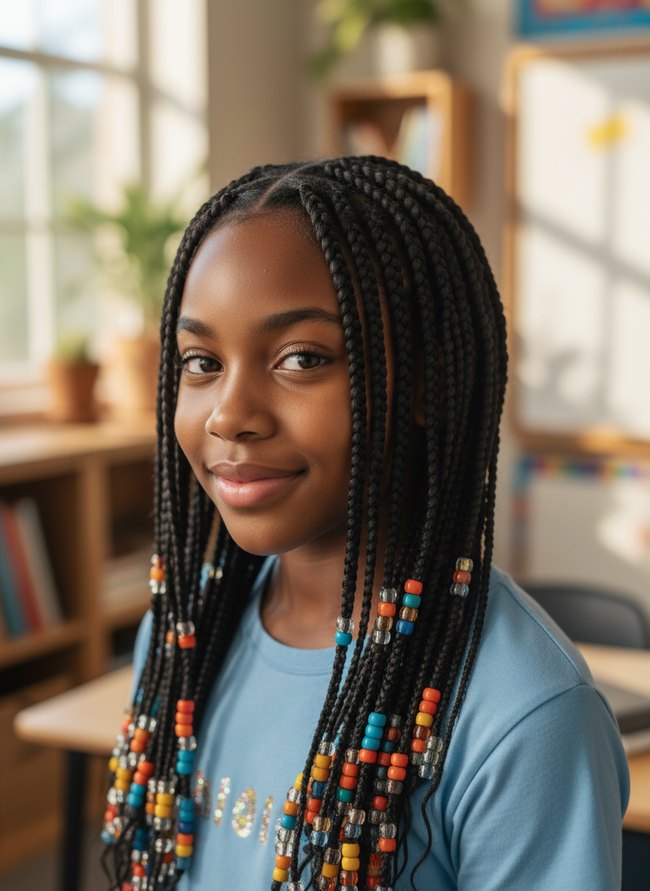
    5. Beaded Fishtail Braids

    Beaded Fishtail Braids

    Black box braids fall past the shoulders of a young girl, each braid adorned with colorful plastic beads. The cheerful style is one of many great back-to-school hairstyles for black girls, bringing a fun pop of color to any outfit. Easily add various colored beads to your daughter’s braids for a custom, bright look.

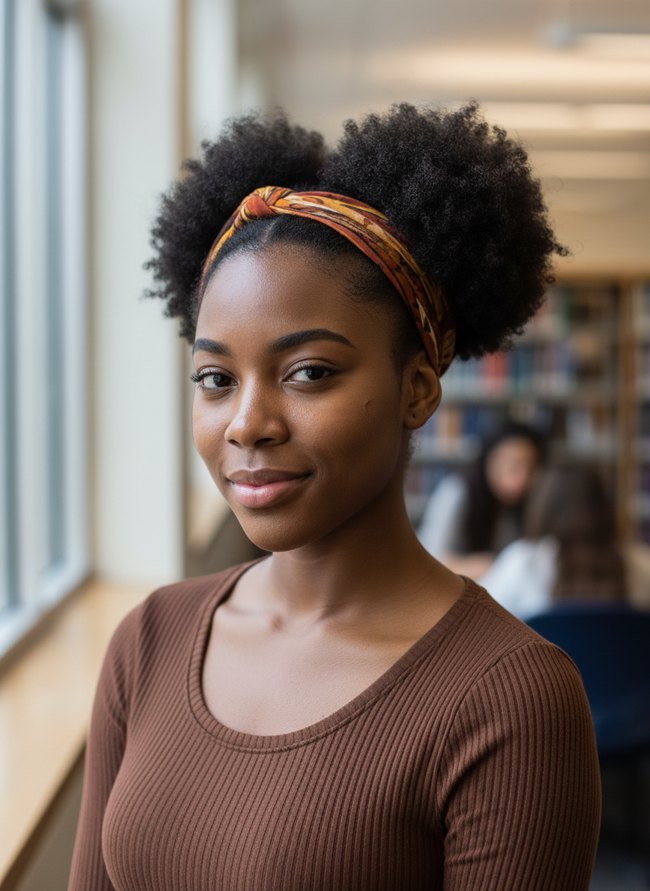
    6. Afro Puff Headband Look

    Afro Puff Headband Look

    A young woman wears her dark natural hair in two fluffy afro puffs, pulled back by a colorful patterned headband in warm orange and brown tones. The simple headband style creates a clean, polished look, making it a great option for back to school hairstyles for black girls. A soft elastic headband can easily achieve this neat puff style.

    7. Half Up Half Down Curls

    Half Up Half Down Curls

    A young girl wears a half-up, half-down curly style, suitable for back-to-school looks for black girls, displaying her dark brown curls. Her natural hair texture shines with volume, pulled back from her face with a soft touch. The simple curly look offers an easy morning routine.

    8. Box Braid Bob Cut

    Box Braid Bob Cut

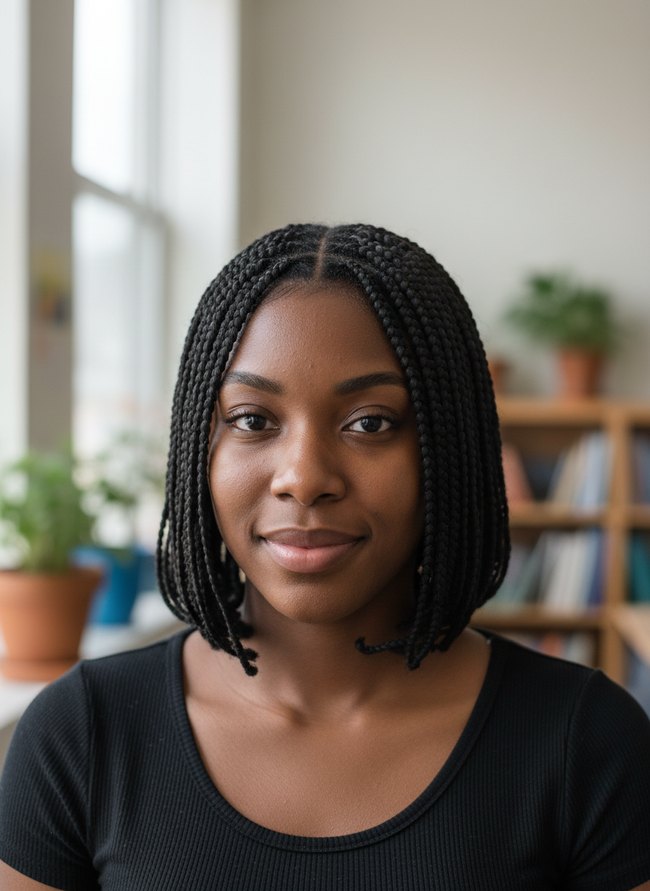
    Small black box braids frame the young woman’s face, falling to her chin in a chic bob cut. Her neat center part keeps the dark braids tidy and sharp for a fresh look. The bob offers both style and easy care, making it a great choice among back-to-school hairstyles for black girls.

    9. Fulani Braid Front

    Fulani Braid Front

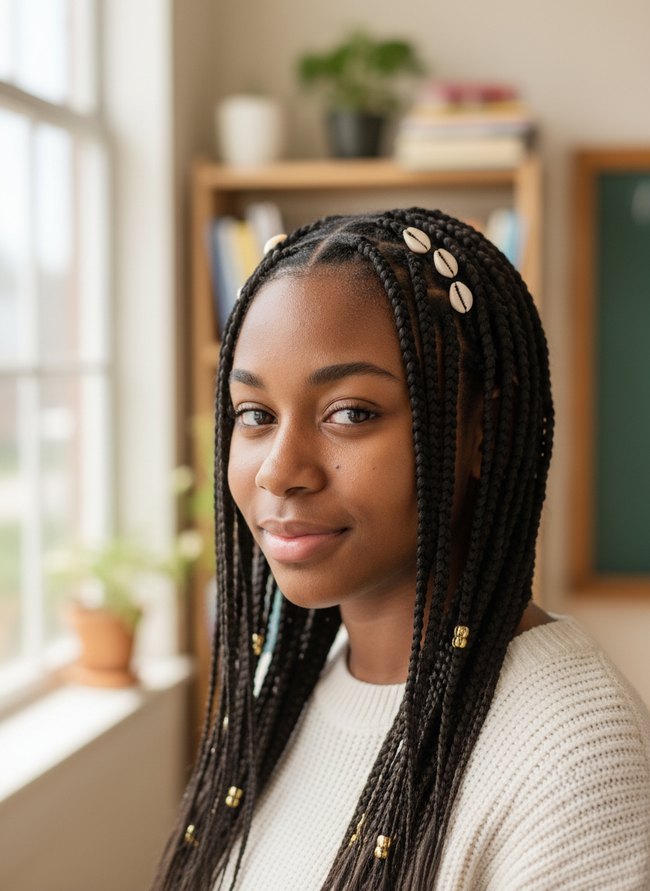
    A young girl wears dark box braids with a center part, adorned with natural white cowrie shells near the hairline and several small golden beads along the long dark braids. Her light cream sweater and the bright window behind her add to the fresh, school-ready look of these back to school hairstyles for black girls. The decorative elements add a personal touch to a classic protective style.

    10. Crisscross Cornrow Design

    Crisscross Cornrow Design

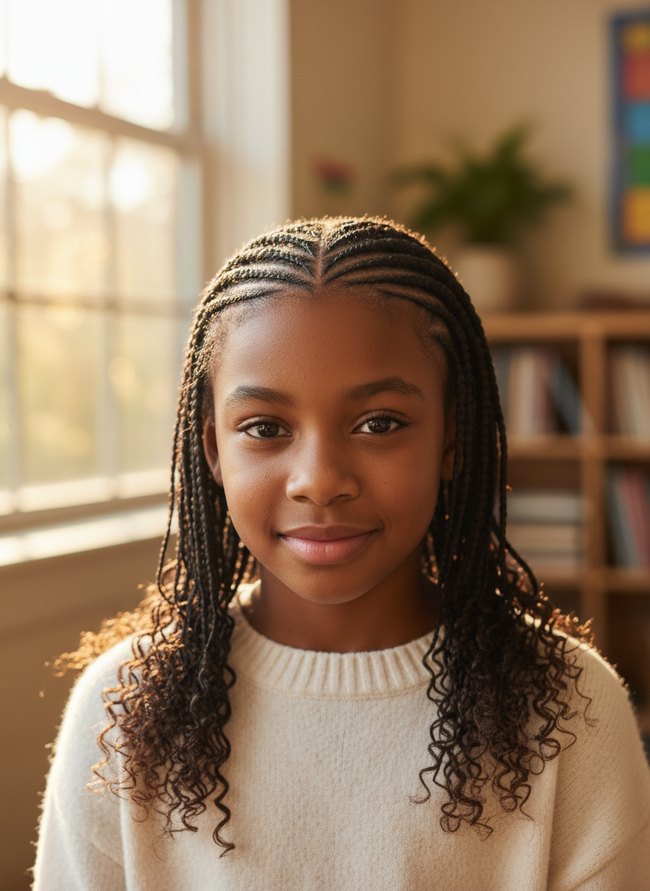
    The young girl’s dark hair features neat crisscross cornrows at the crown, flowing into long, curly braids framing her face. Her beige sweater softly catches warm sunlight filtering through a tall window. Hair can be easily achieved for back-to-school styles for black girls, keeping the strands styled and out of the way.

    11. Knotless Braid Ponytail

    Knotless Braid Ponytail

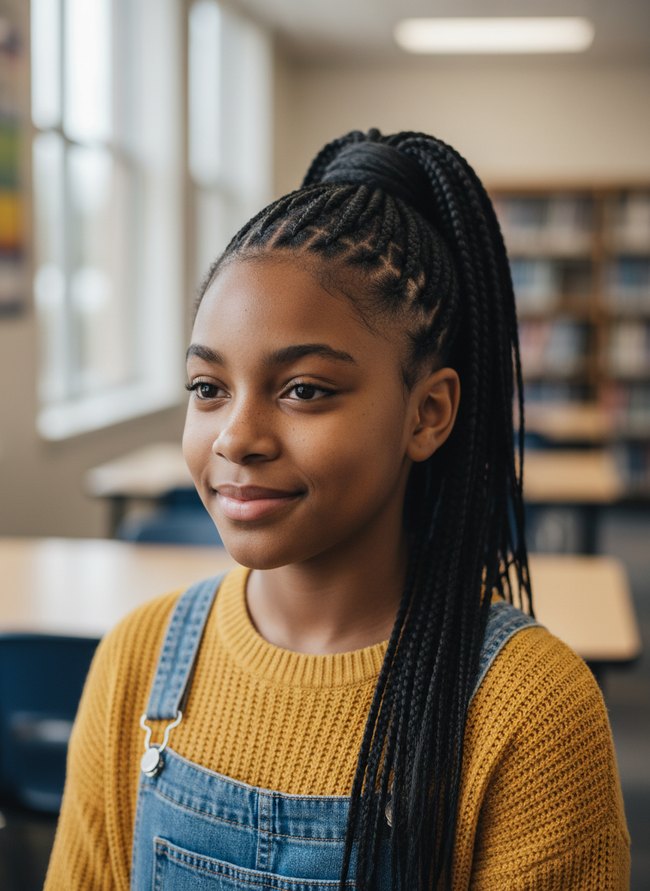
    A young girl with a warm smile wears a bright yellow knitted sweater and denim overalls. Her long black knotless braids are pulled up into a neat high ponytail, creating a stylish, practical look. The high ponytail keeps hair completely out of the way for busy school days.

    12. Space Bun Twists

    Space Bun Twists

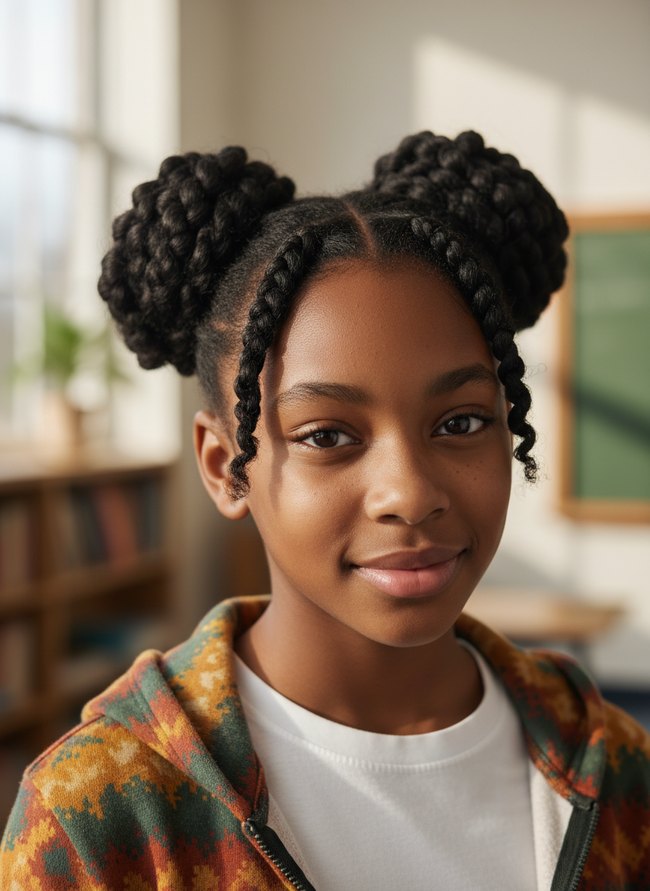
    Two thick, dark twisted buns sit high on the girl’s head, giving a playful, lifted look. Her front hairline features two delicate, thin twisted strands framing her face, adding a sweet touch to this back to school hairstyle. The fun style is easily created with a few hair ties and some patience.

    13. Mohawk Braid Defined

    Mohawk Braid Defined

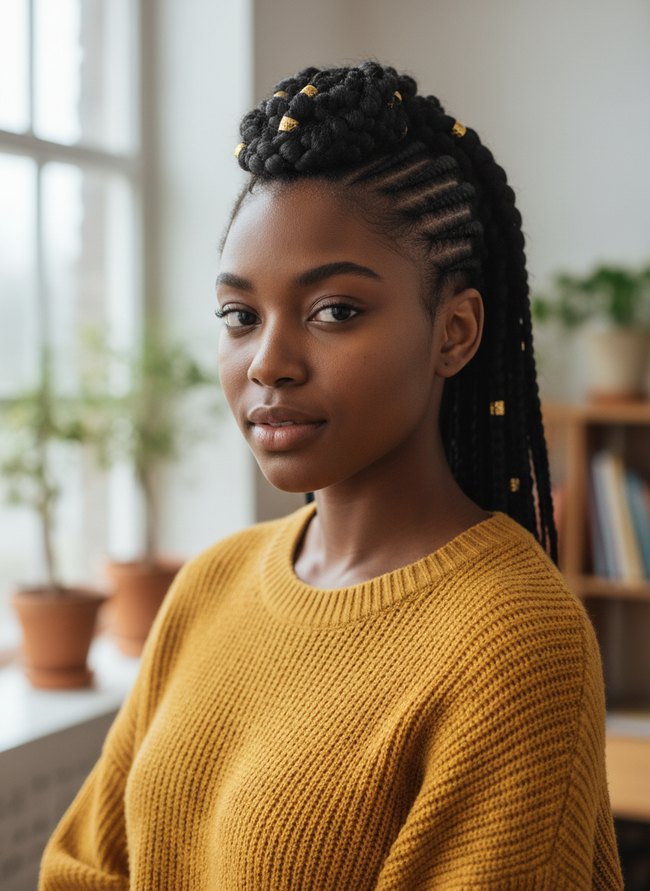
    The young woman wears a braided mohawk hairstyle, with small gold beads woven into the thick black braids at the crown. Her back to school hairstyle features cornrows on the sides that feed into the central mohawk, creating a clean, defined look. A satin scarf at night protects the braids, keeping the style fresh.

    14. Twisted Updo Style

    Twisted Updo Style

    The young girl’s dark hair forms a neatly twisted updo, accented with small, shiny beads that catch the light. The twisted updo keeps hair off the neck, a practical choice for back to school hairstyles for black girls. Colorful beads or ribbons can personalize this classic look.

    15. Accessorized Jumbo Braids

    Accessorized Jumbo Braids

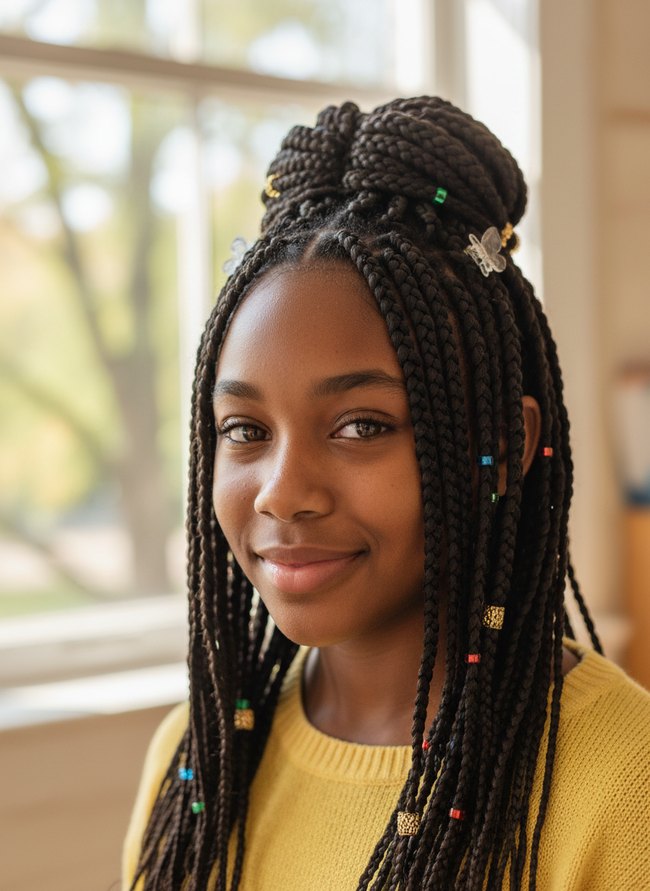
    Dark, thick braids are pulled into a high, neat bun on the girl’s head. Small, clear butterfly clips and colorful plastic beads decorate the braids, adding a playful touch to this back-to-school hairstyle. Bright hair accessories easily personalize any braided style.

    16. Wavy Finger Coils

    Wavy Finger Coils

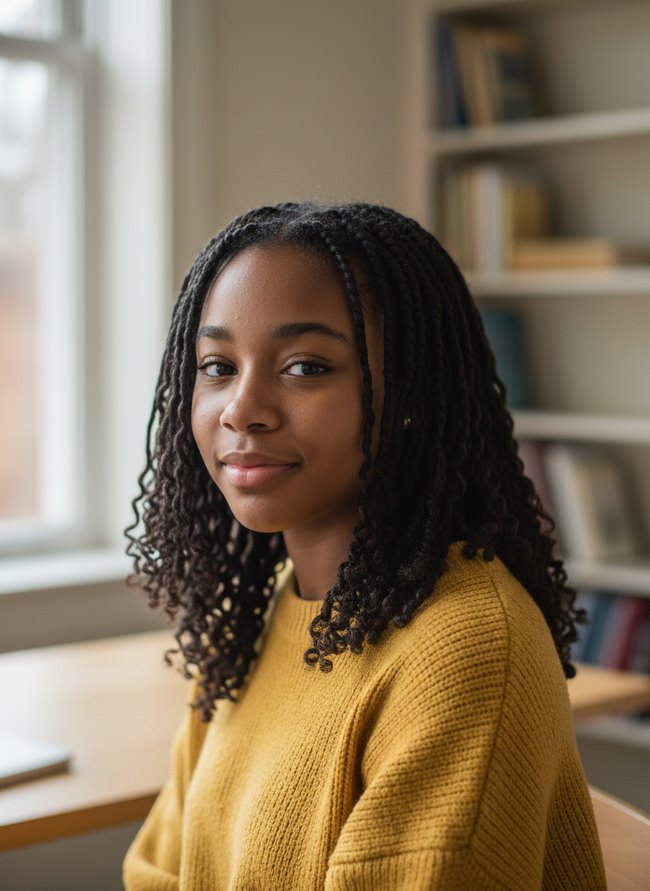
    The young girl wears many dark finger coils with wavy ends, framing her face and falling past her shoulders. Her warm yellow sweater contrasts nicely with the dark hair, creating a bright, inviting look. Hair stylists achieve the style by twisting small sections of damp hair around a finger, then letting them dry completely.

    17. Low Bun Side Part

    Low Bun Side Part

    A smooth, dark low bun rests neatly at the back of the head, secured with black pins. A sharp side part defines the front of the hair, with a few wispy baby hairs gently laid along the forehead. The style works great for back to school hairstyles for black girls, keeping hair out of the way for learning.

    18. Bubble Braid Delight

    Bubble Braid Delight

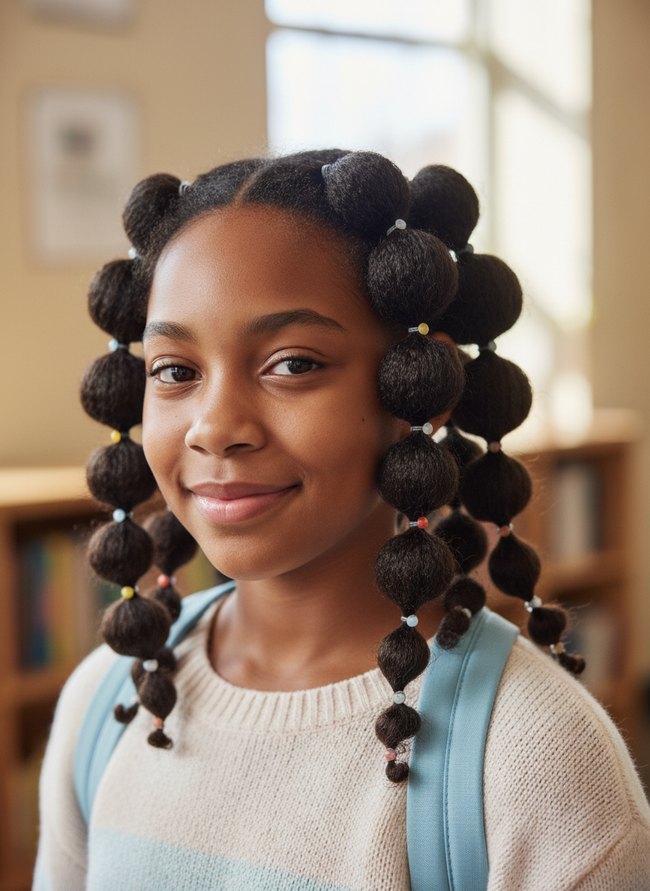
    The young girl wears her natural, dark hair in playful bubble braids, each section secured with small, clear elastics and colorful plastic beads. Her back to school hairstyle features full, round hair sections that create a fun, bouncy look. Bright beads easily add an extra pop of color to hair elastics.

    19. Cornrowed Puff Combo

    Cornrowed Puff Combo

    A young girl with warm skin smiles gently, showcasing a cool back-to-school hairstyle for Black girls. Dark, small cornrows curve neatly from her temples, leading into a high, full puff of curly black hair. The fun style keeps hair off her face, making it perfect for active school days.

    20. Spiral Curl Accent

    Spiral Curl Accent

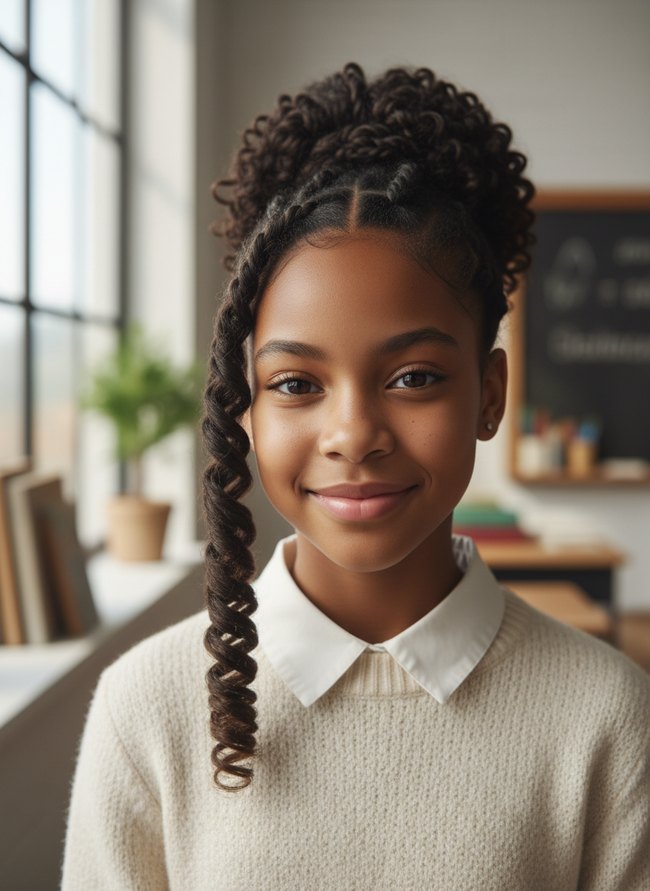
    A dark brown spiral braid hangs over the young girl’s shoulder, adding a playful touch to her back to school hairstyle. Her hair gathers into a neat high bun at the crown, with several small, tight braids creating a textured base. The style offers a fun, practical look for black girls.

    Beyond the First Week: Styles That Last (and How to Maintain Them)

    Braids offer incredible staying power for busy school weeks. Cornrows, for example, lay flat and neat against your scalp, keeping tiny hands away from delicate strands. A silk scarf at bedtime really makes a difference. Twists, both two-strand and flat twists, protect hair ends from daily friction. You can refresh their look with a light mist of water and a dab of natural oil. Small, dark elastic bands secure the ends of these protective styles, preventing unraveling during energetic recess. Remember, scalp health matters. Daily application of a thin, clear hair oil along your parts prevents dryness and itchiness. Buns, especially low, tight buns, also last several days. You simply smooth stray hairs with a soft brush and a touch of conditioning gel each morning. A strong metal hair tie keeps the bun secure through gym class. Puffs are a quick, cheerful style. Pineapple your puff at night. This simple overnight method preserves the defined curl pattern. Use a wide, soft elastic band to avoid creating a harsh crease. These practical back to school hairstyles keep their neat shapes for many days.

    The School-Safe Style Guide: Avoiding Hair-Related Distractions and Dress Code Conflicts

    Many schools prohibit hair colors outside natural brown or black shades. A deep auburn tint often falls outside campus rules. Braided styles with small, gold hair beads typically pass inspection. Decorative hair accessories, like large plastic flowers or neon scrunchies, frequently cause issues. You want a hairstyle that lasts all day. Loose curls can sometimes unravel during recess. Long, flowing strands might get caught in art class easels. Consider hair that stays neatly contained. Crown braids offer a neat, structured look. Tight ponytails with fabric hair ties keep hair secure. Your daughter’s comfort during active play remains paramount. Headbands with a soft cotton lining prevent scalp irritation. Choose styles minimizing loose pieces around her face. Hair should not block a student’s vision in class. Small, dark metal hair clips usually avoid attention. Some schools have strict rules against hair extending past the shoulder in certain situations.

    Which Idea Will You Try First?

    That’s 20 different takes on back to school hairstyles for black girls. The best ideas above are usually the smallest moves — one material, one layout shift, one piece of furniture in the right place. Pick whichever room feels closest to your space and start there before tackling the rest.

    Found an idea worth keeping? Save this post to your Pinterest board so it’s waiting for you when you’re ready to start your own project.
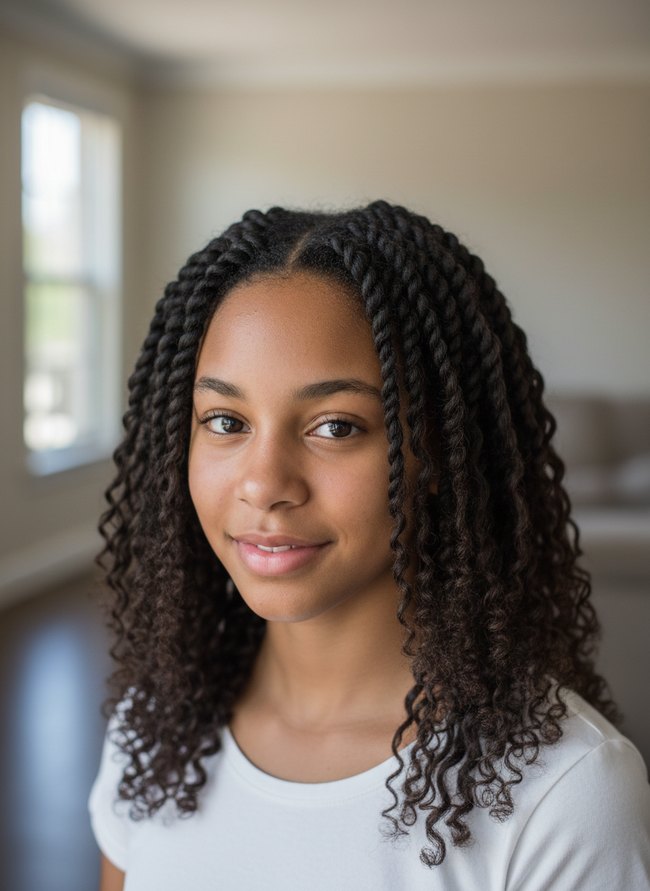
  • How Often Should You Wash Your Child’s Natural Hair

    How Often Should You Wash Your Child’s Natural Hair

    Clean hair offers a light, fresh feeling for your child, but too much washing strips away helpful natural oils. Less frequent washing keeps those important oils, yet some parents worry about product buildup or dirt on the scalp. New parents consider both sides of this decision when they figure out how often to wash kids’ natural hair. A careful plan balances a clean look with strong, healthy strands. Different approaches offer various balances for your little one’s unique curls. Each method provides a distinct path for maintaining natural hair.

    1. Daily Rinse Routine

    Daily Rinse Routine

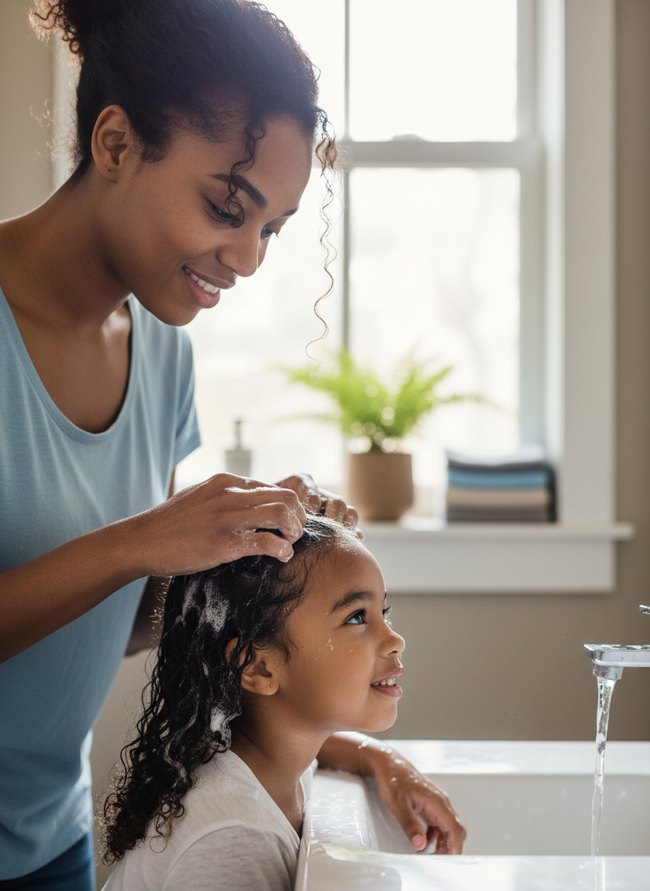
    A smiling mother gently massages white suds into her child’s dark, curly strands. The daily rinse routine suits parents who prioritize fresh hair over preserving intricate styles. The child’s bright face looks upward, reflecting soft light from a tall window.

    2. Bi-Weekly Hydration Wash

    Bi-Weekly Hydration Wash

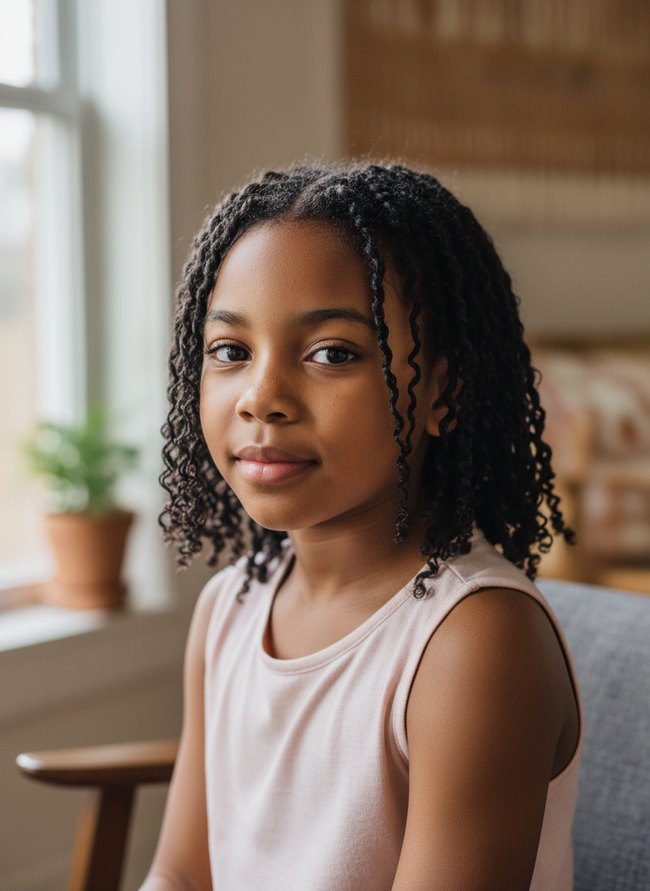
    The child’s tightly coiled braids frame her face with soft texture. Parents might choose bi-weekly care for how often to wash kids natural hair, trading daily styling for less frequent, deep hydration. A small clay pot with a green plant sits on the window sill in the background.

    3. Weekly Clarifying Cleanse

    Weekly Clarifying Cleanse

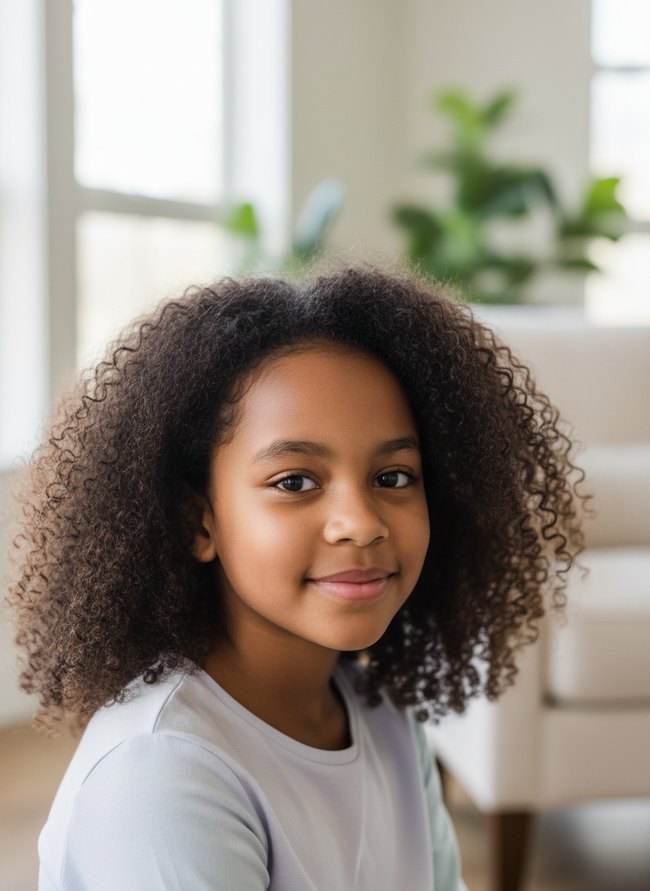
    Dark curls spring up from the crown in a soft, rounded shape. A weekly clarifying cleanse for natural hair trades some wash day length for fresh, soft texture. The routine ensures a clean scalp and bouncy curls, minimizing product buildup.

    4. Monthly Deep Conditioning

    Monthly Deep Conditioning

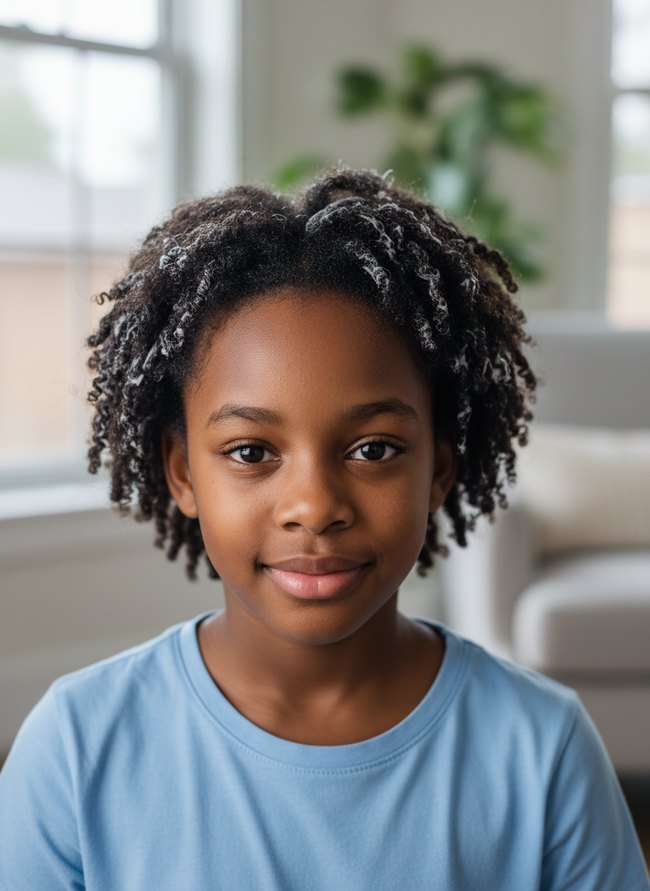
    A young child’s dark, curly hair frames her smiling face. The washing schedule means less frequent product use, trading daily styling for deep, monthly moisture. Her light blue shirt hints at a relaxed home setting.

    5. Every Other Day Detangle

    Every Other Day Detangle

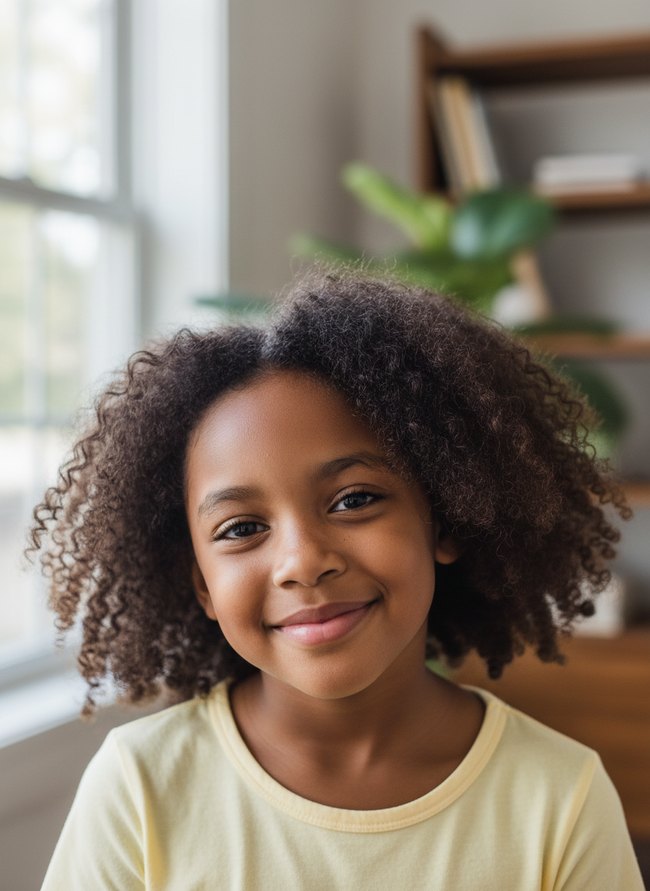
    Loose, dark brown curls frame a young girl’s smiling face, catching soft light from a nearby window. Detangling the child’s natural hair every other day trades some daily time for less overall hair breakage. A light yellow cotton t-shirt covers the girl’s shoulders.

    6. After Swim Refresh

    After Swim Refresh

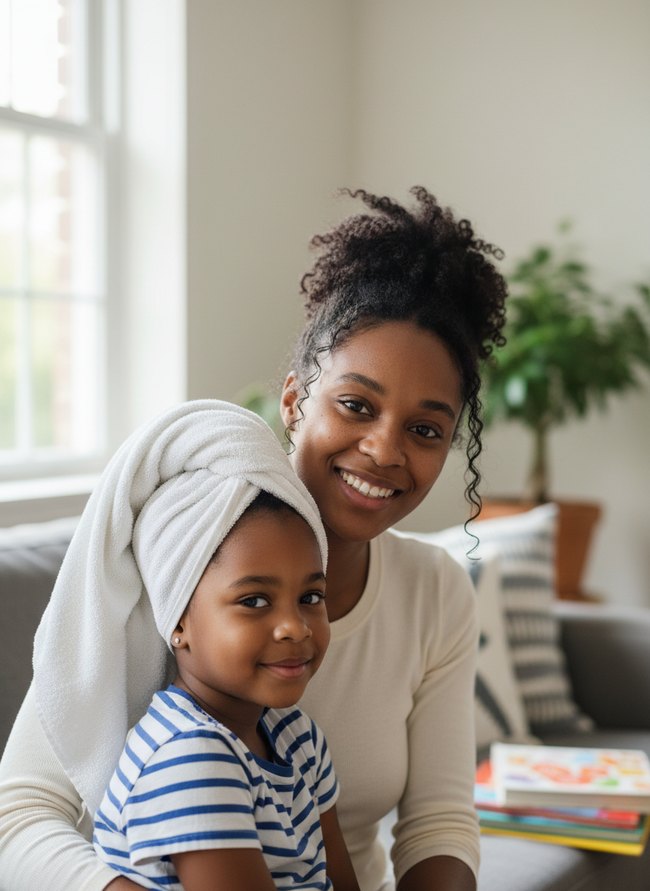
    A white terry cloth towel wraps tightly around the child’s head. You choose to quickly refresh your child’s natural hair after swimming, trading a full wash for speed. The child’s blue and white striped shirt sits against a gray fabric couch, ready for play.

    7. Gentle Co-Wash Schedule

    Gentle Co-Wash Schedule

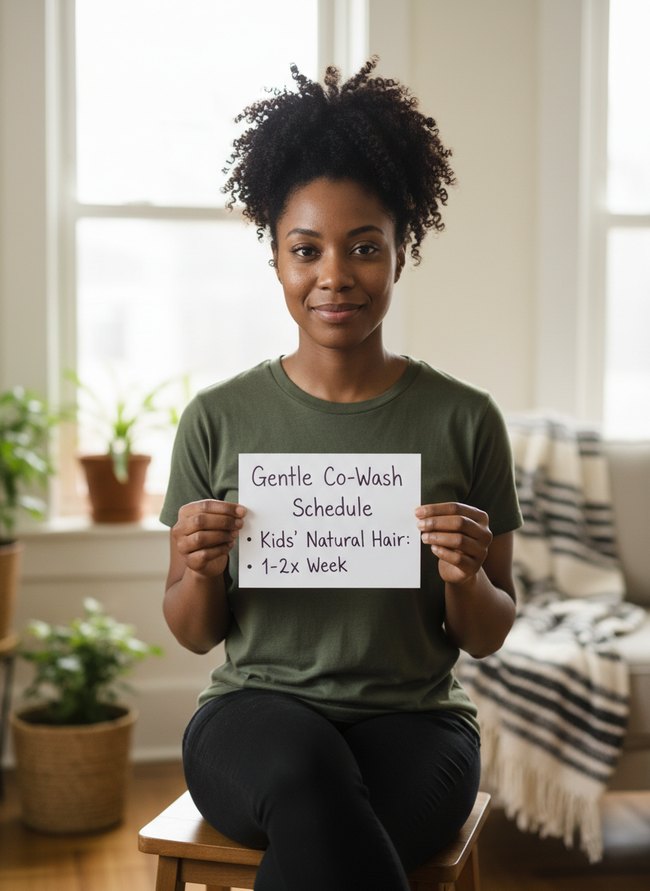
    The woman holds a white card listing a “Gentle Co-Wash Schedule” for kids’ natural hair, suggesting a 1-2 times weekly routine. The co-wash minimizes harsh stripping over deep cleansing. A light wooden stool supports her body as she sits near a tall window, allowing soft daylight to illuminate the scene.

    8. Pre-Poo Wash Cycle

    Pre-Poo Wash Cycle

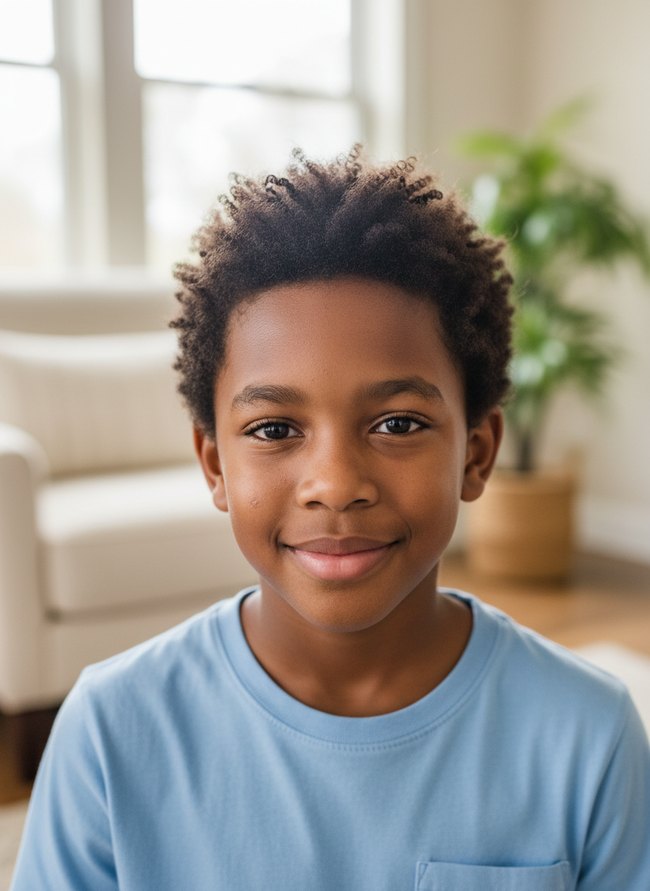
    The boy’s dark, curly hair forms a soft halo around his head. A pre-poo wash cycle protects delicate strands from harsh shampoo. The treatment helps retain natural moisture, trading a faster wash for healthier natural hair.

    9. Protective Style Wash

    Protective Style Wash

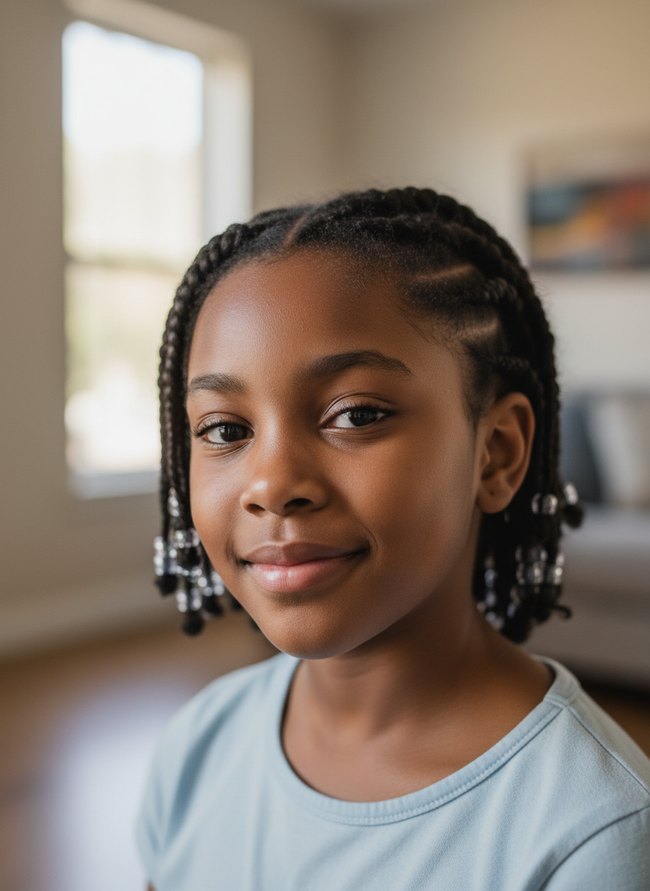
    Small, dark braids frame a young face, extending past the ears. Many clear, round beads decorate the braid ends. Parents can wash the style less often, trading daily styling time for longer-lasting hair protection.

    10. Active Child Weekly Wash

    Active Child Weekly Wash

    Small, neat braids pulled back from the young girl’s face offer a simple, practical style. The hairstyle means less daily effort, trading intricate designs for easy maintenance. The child’s dark, natural hair looks fresh, ready for any active day.

    11. Sensitive Scalp Regimen

    Sensitive Scalp Regimen

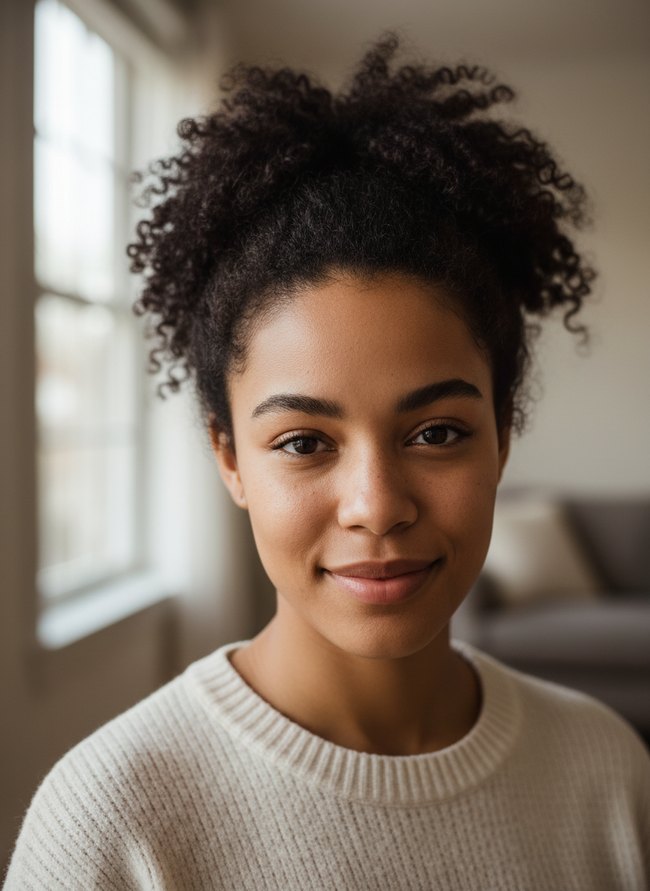
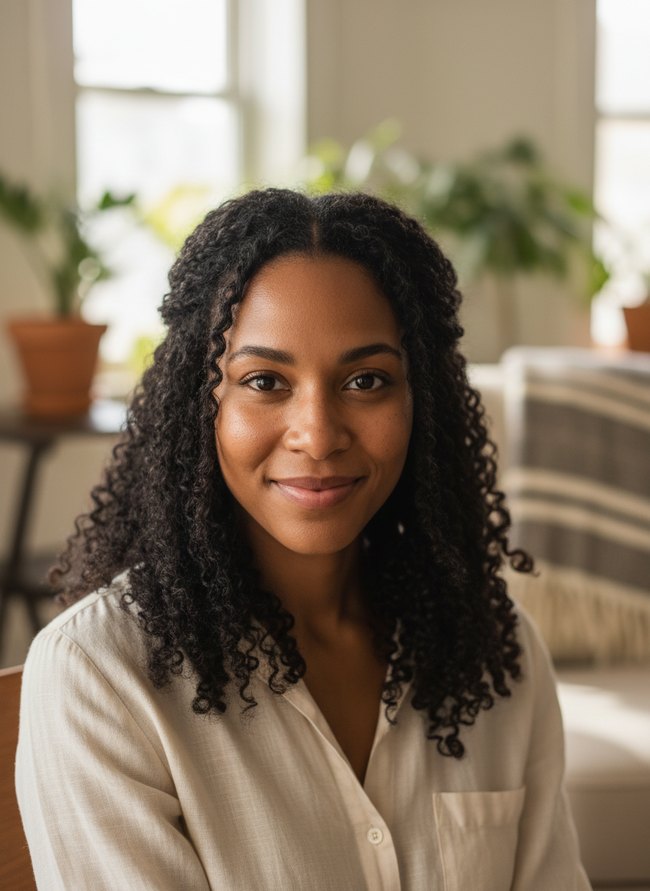
    Dark curls cascade around the woman’s shoulders. A less frequent wash schedule protects a sensitive scalp, trading daily bounce for lasting moisture. A soft, off-white linen shirt shows a single chest pocket.

    12. Toddler Tress Timing

    Toddler Tress Timing

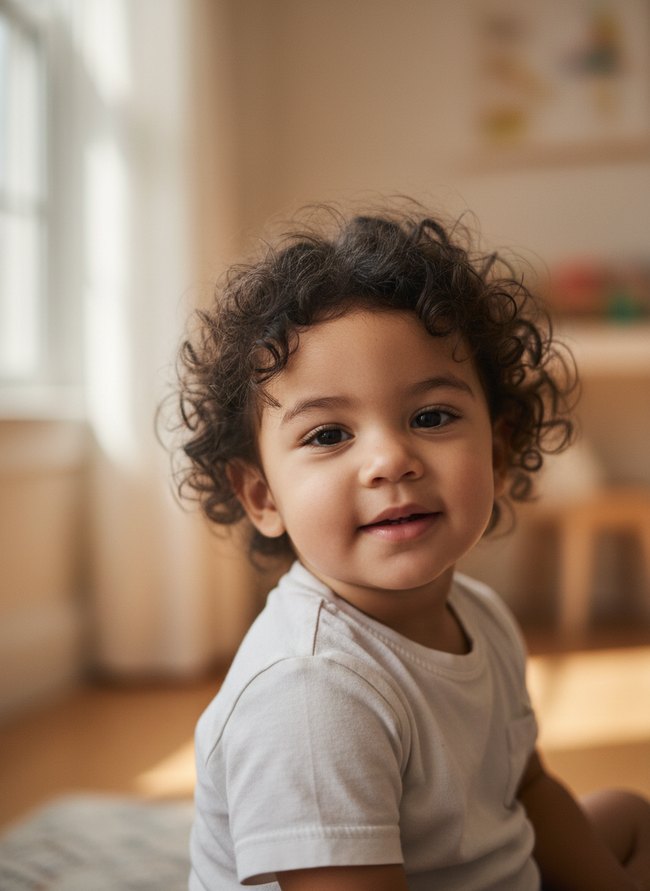
    Dark brown curls frame the toddler’s round face. A gentle shampoo for delicate strands trades harsh chemicals for natural oils. The child’s natural hair requires careful cleaning and moisture retention for soft, healthy growth.

    Should I Prioritize Speed or Thoroughness on Wash Day?

    A wash day choice awaits you: quick suds or deep clean. Your child’s hair texture makes a difference. Long wash times take more energy. Faster washes save precious minutes. Short washing sessions might leave some sticky buildup. Longer washing sessions remove all old product. Dried shampoo residue appears as white flakes on a dark scalp. Water runs clear after a detailed rinse. Choose speed for a young child with fine, thin strands. A toddler’s wispy curls need less scrubbing. Select thoroughness for a child with thick, coarse hair. Older kids with long, dense coils benefit from extra attention. Their robust strands soak up more conditioner. Hard water creates mineral deposits on hair. Regular deep cleaning prevents dull, brittle hair. A quick wash works well between full wash days. You will notice softer curls with consistent care. Sometimes a hurried wash is necessary before school. Other times, a long Sunday wash offers calm relaxation. Consider your child’s patience level with washing their natural hair. A fidgety child prefers a swift wash. Calm kids handle longer sessions. Deep hydration brings out shiny hair.

    When Do I Stick to a Schedule vs. When Do I Listen to My Child’s Hair?

    Your child’s soft hair needs a clear washing plan or flexible care. A printed schedule offers predictable steps for washing kids natural hair. This fixed approach gives you a sense of steady progress. However, a rigid calendar might miss signals from a dry scalp. You could also overlook a sudden build-up of playground sand.

    Listening to your child’s hair means observing its texture and appearance closely. This flexible method adjusts washing days based on specific needs. Your little one’s coiled strands might show dryness after a swim lesson, calling for an earlier wash. This responsive care requires constant attention to changing conditions. A busy parent might find this constant observation tiring.

    Stick to a firm washing routine if you value consistency above all. This approach suits children with very similar activity levels each week. Choose the flexible method if you prefer to address immediate needs. This works well for families with changing daily activities.

    Which Idea Will You Try First?

    That’s 12 different takes on how often to wash kids natural hair. The best ideas above are usually the smallest moves — one material, one layout shift, one piece of furniture in the right place. Pick whichever room feels closest to your space and start there before tackling the rest.

    Found an idea worth keeping? Save this post to your Pinterest board so it’s waiting for you when you’re ready to start your own project.
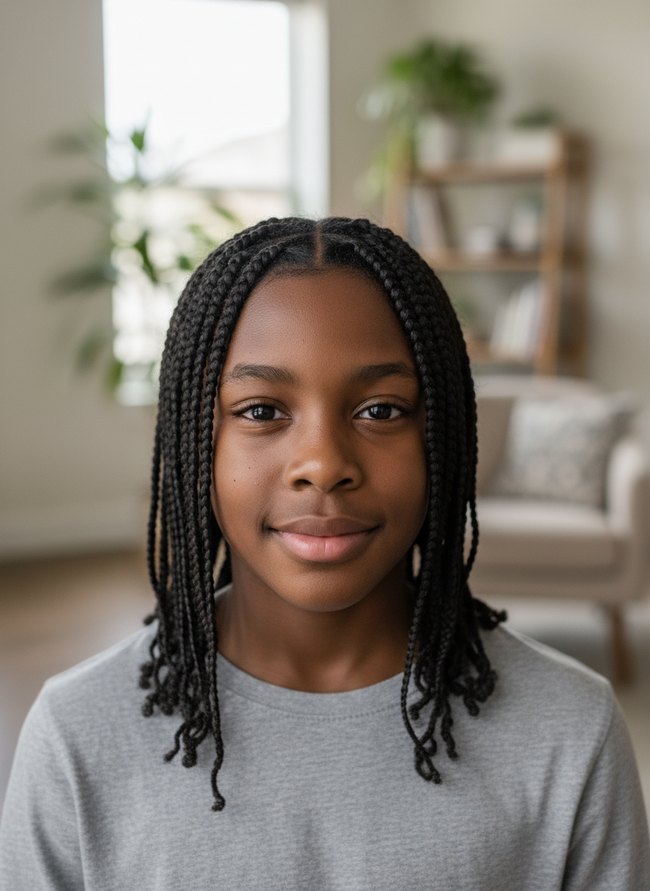
  • 6 Mistakes Parents Make With Kids’ Natural Hair

    6 Mistakes Parents Make With Kids’ Natural Hair

    Rough brushing causes lasting damage to young, delicate strands. Most hair care advice overlooks the specific challenges of styling children’s hair textures. Six common kids hair mistakes highlight repeated patterns you likely miss. Harsh elastic bands snap fine hairs, creating short, frizzy patches near the temples. Improper product application leaves thick residue, attracting dirt and dulling natural shine. Wet hair stretches easily, making detangling a risky venture for fragile roots. Fingernails might inadvertently cause scalp irritation during shampooing. Incorrect drying techniques lead to excessive frizz, making daily styling a frustrating chore for both parent and child. Your child’s healthy hair growth depends on gentle care.

    1. Overly Tight Braids

    Overly Tight Braids

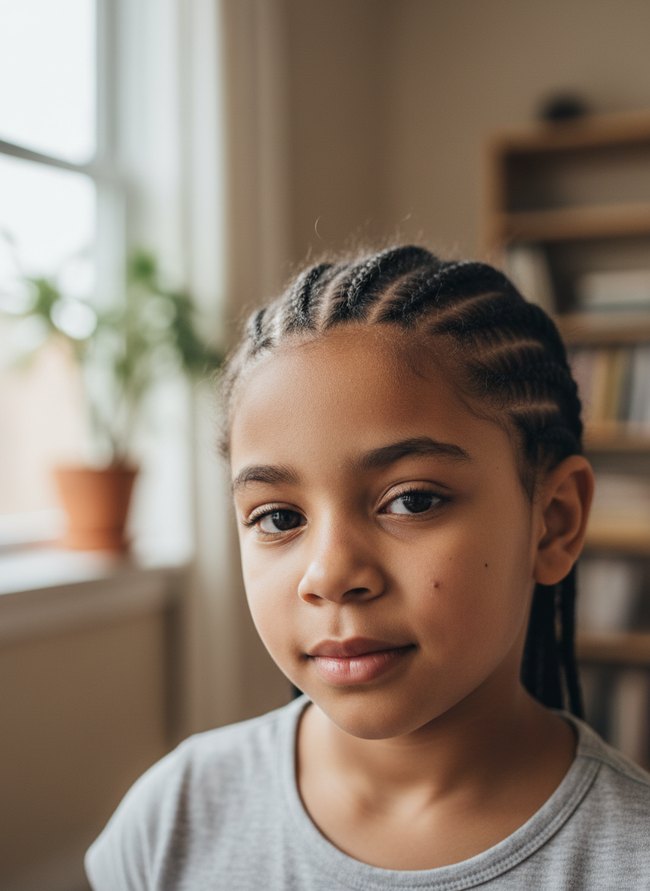
    The child’s dark braids show no pulling or redness at the hairline. Careful styling avoids common kids hair mistakes like overly tight braids, preventing pain and damage. Her smooth scalp and soft expression suggest comfortable natural hair care. Look for gentle tension when styling your child’s hair.

    2. Skipping Moisture Routine

    Skipping Moisture Routine

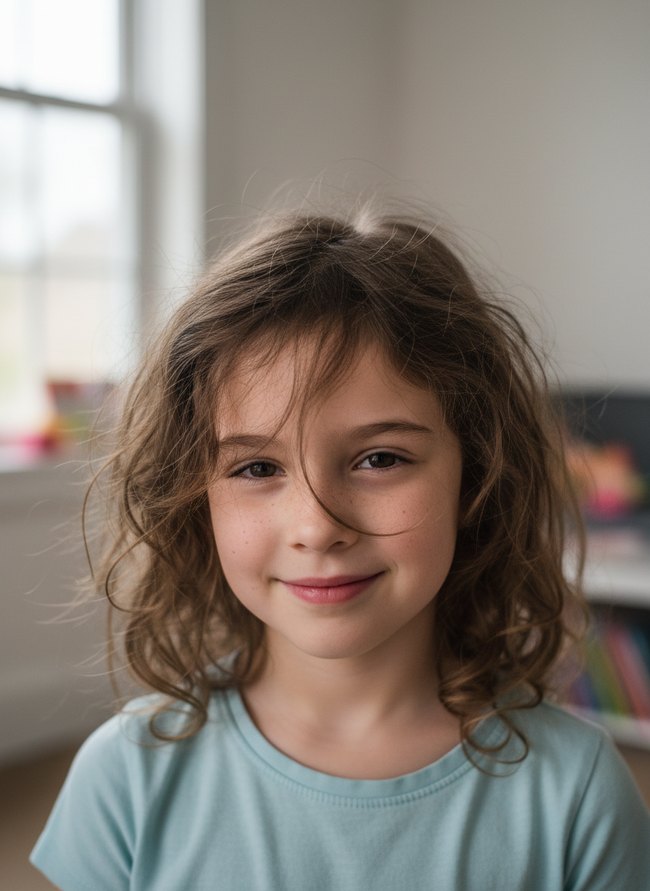
    The child’s light brown hair appears dry and frizzy, showing a clear lack of moisture. Loose strands stand out from the head, suggesting you missed a key step in preventing common kids hair mistakes. Skipping a regular moisturizing routine causes this dry, unkempt texture.

    3. Ignoring Detangling Process

    Ignoring Detangling Process

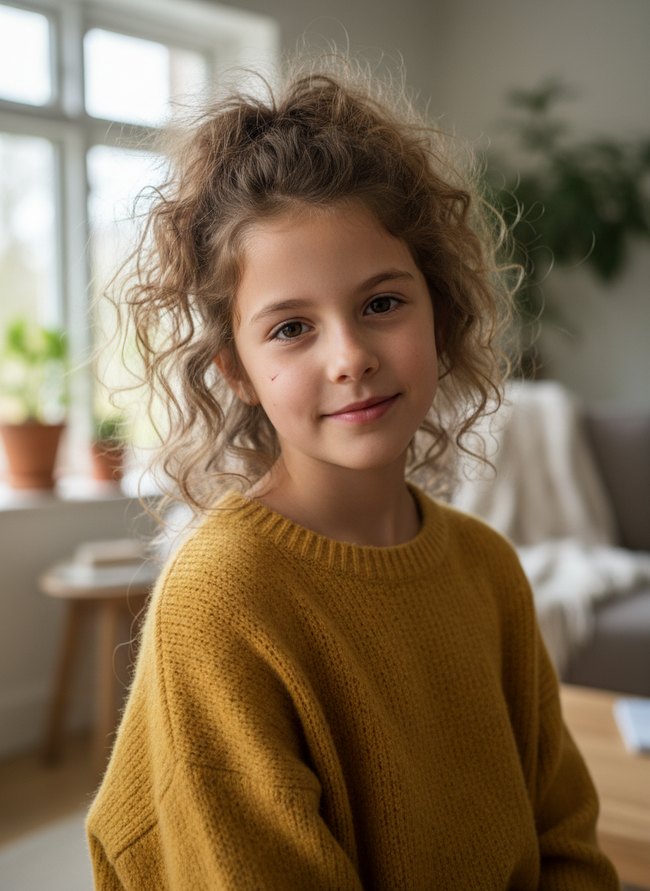
    The girl’s messy brown curls show clear signs of skipped detangling. Dry hair strands fly around her head, creating a fuzzy, undefined look. Parents can prevent kids’ hair mistakes by taking time to comb out tangles gently.

    4. Using Wrong Products

    Using Wrong Products

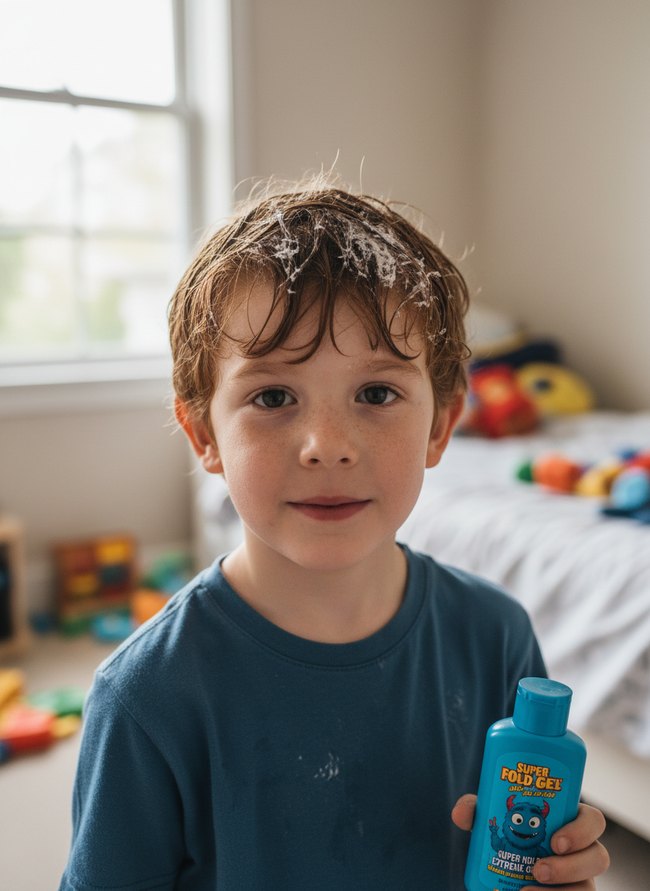
    The child’s red hair shows white, flaky residue, illustrating a common problem with kids’ hair. Visual evidence clearly demonstrates how certain products can leave unwanted buildup, especially on fine, short strands. A small blue bottle of “Super Hold Gel” in the child’s hand suggests the product causing the issue. Avoid products that create visible flaking.

    5. Rough Towel Drying

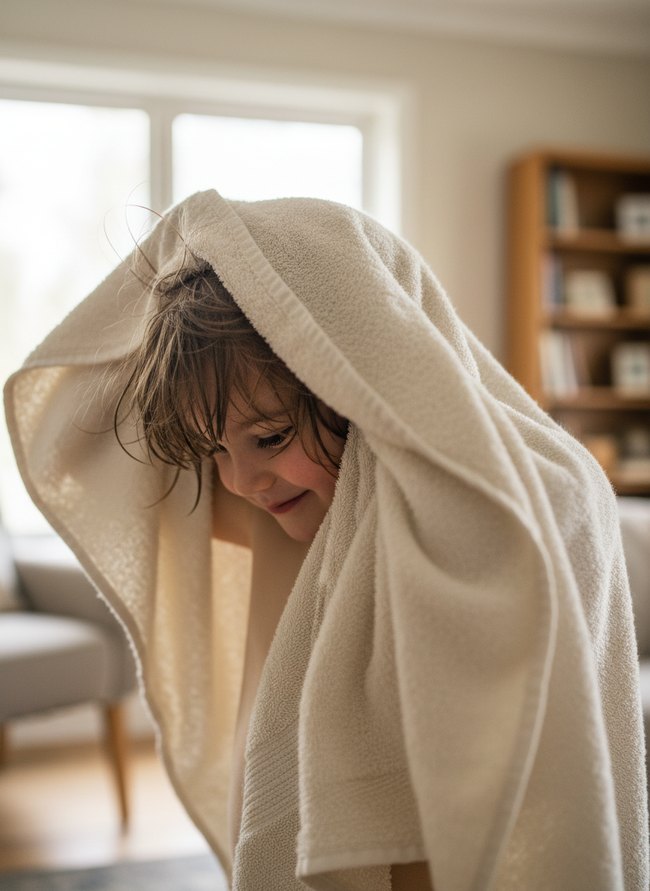
    Rough Towel Drying

    A child’s wet brown hair shows signs of rough towel drying, with individual strands tangled and frizzy. The texture indicates friction against the thick ivory towel, which causes damage to delicate hair cuticles. The child’s facial expression reveals no discomfort; however, you want to avoid unnecessary hair damage. Always blot wet hair gently.

    6. Excessive Heat Styling

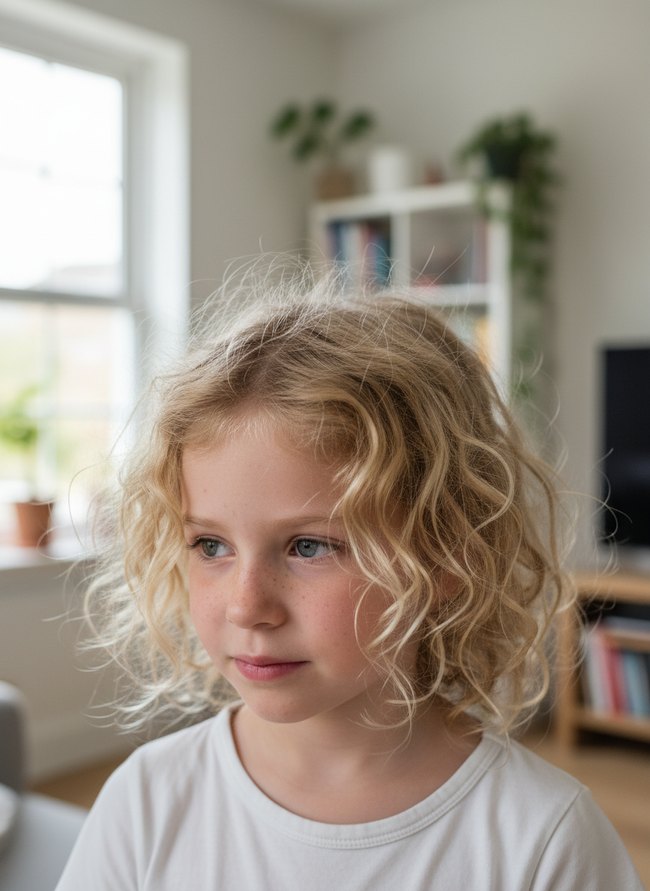
    Excessive Heat Styling

    The child’s light blonde hair shows damage from heat styling, with frizz disrupting the natural curl pattern. Delicate strands float outward, indicating dryness and breakage caused by excessive heat. A light white t-shirt offers little contrast to the bright hair. Avoid excessive heat styling to keep the hair healthy.

    The Biomechanical Implications of Tension Distribution in Natural Hair Fiber Alignment

    Uneven tension during detangling causes microscopic damage to a child’s delicate hair strands. A single hair fiber, with its outer cuticle scales, stretches and frays under too much localized force. Parents often pull a wide-tooth comb through a large section of thick, curly hair, believing bigger sections save time. However, this technique concentrates pulling pressure on a small number of strands at the comb’s leading edge, not distributing the load across the entire section. Those few stressed hairs bear the full brunt of the detangling effort. Instead, smaller, finger-width sections allow the comb’s plastic teeth to glide through with uniform resistance. Each individual hair strand receives a more even, gentle pull, preserving the natural hair’s structural strength. Consistent, distributed tension prevents the tiny cracks and weakened points that lead to breakage later on. Your child’s hair will show fewer split ends and less overall thinning with this careful approach.

    Optimizing Hydration Retention: A Substantive Analysis of Emollient and Humectant Synergy in Pediatric Hair Care Regimens

    Water stays inside your child’s coarse hair strands with proper layering. Coconut oil, a thick natural emollient, seals the outer layer of each dark brown curl. You need to apply a humectant first; glycerin-based leave-in conditioners pull moisture from the air into the hair shaft. This two-step process creates a flexible, protective barrier on delicate hair. Applying a heavy oil before a lighter, water-attracting product blocks the humectant from reaching the inner hair structure. That common error leaves fine natural hair feeling dry and brittle to the touch. Your child’s coiled hair maintains its soft texture and prevents breakage with this careful routine. Consistent layering keeps the hair hydrated, reducing frizz and tangles throughout the week. Proper moisture retention ensures healthy hair growth.

    Which Idea Will You Try First?

    That’s 6 different takes on kids hair mistakes. The best ideas above are usually the smallest moves — one material, one layout shift, one piece of furniture in the right place. Pick whichever room feels closest to your space and start there before tackling the rest.

    Found an idea worth keeping? Save this post to your Pinterest board so it’s waiting for you when you’re ready to start your own project.
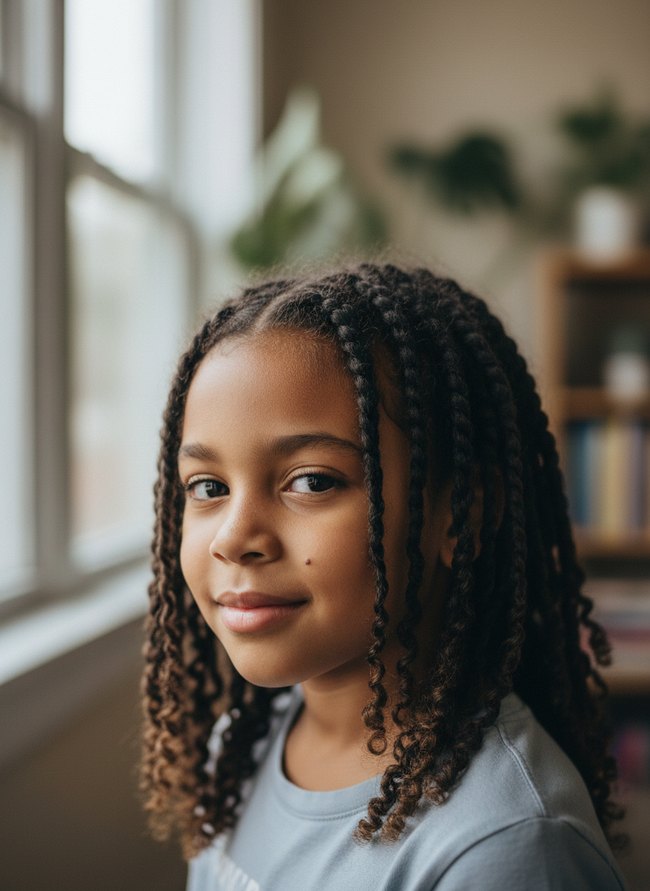
  • A Parent’s Guide to Caring for Kids’ Natural Hair

    A Parent’s Guide to Caring for Kids’ Natural Hair

    A small head of curls bounced with energy, then tangles appeared overnight. Frustration bubbled up as parents tried to comb resistant knots, hearing small cries of discomfort. Many parents face similar struggles with children’s textured hair. A soft, clean brush often catches on tiny strands, making bedtime routines a battle. Learning simple techniques for natural hair care can transform difficult moments into peaceful bonding time. The guide offers straightforward steps, showing how to gently detangle and moisturize. Readers will discover easy ways to maintain bouncy, healthy curls without tears. Understanding hair types and proper product choices makes a big difference.

    1. Gentle Detangling Routine

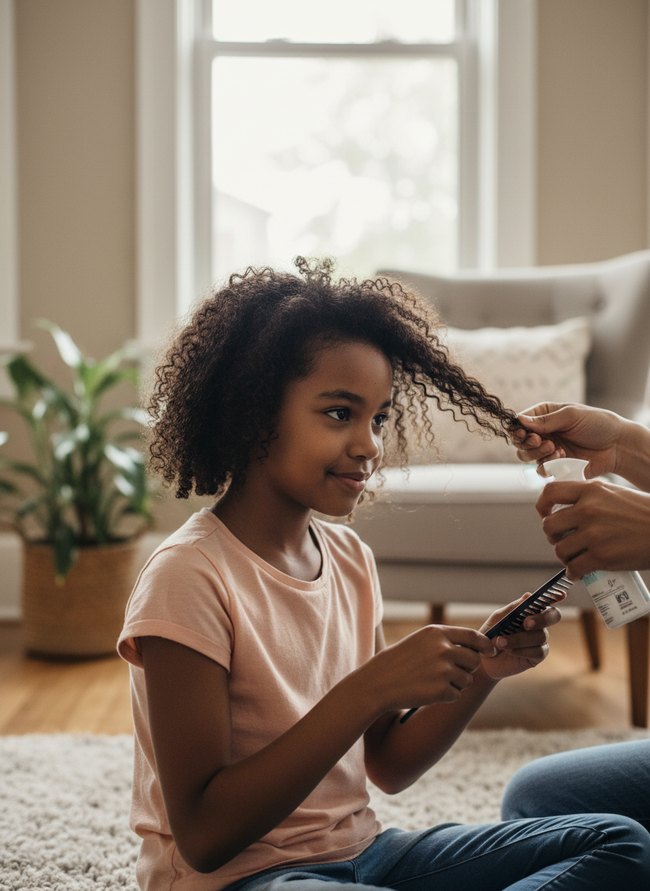
    Gentle Detangling Routine

    A child’s dark, curly hair receives gentle attention, with one hand holding a section of hair while the other sprays moisture onto the strands. A black wide-tooth comb waits in the child’s small hands, ready for careful detangling. The helpful scene shows you how to keep your little one’s curls healthy and happy.

    2. Moisture Rich Co-Wash

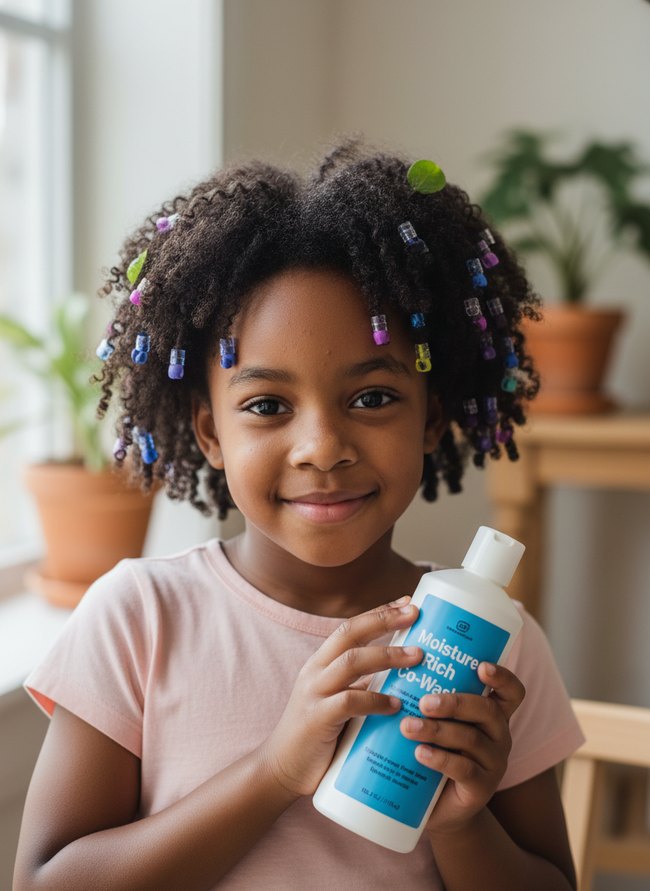
    Moisture Rich Co-Wash

    A young girl with dark, curly hair smiles brightly while holding a white bottle of “Moisture Rich Co-Wash.” Colorful plastic beads adorn her curls, creating a playful, vibrant look for kids’ natural hair care. The co-wash helps keep your child’s hair soft and manageable.

    3. Protective Twist Style

    Protective Twist Style

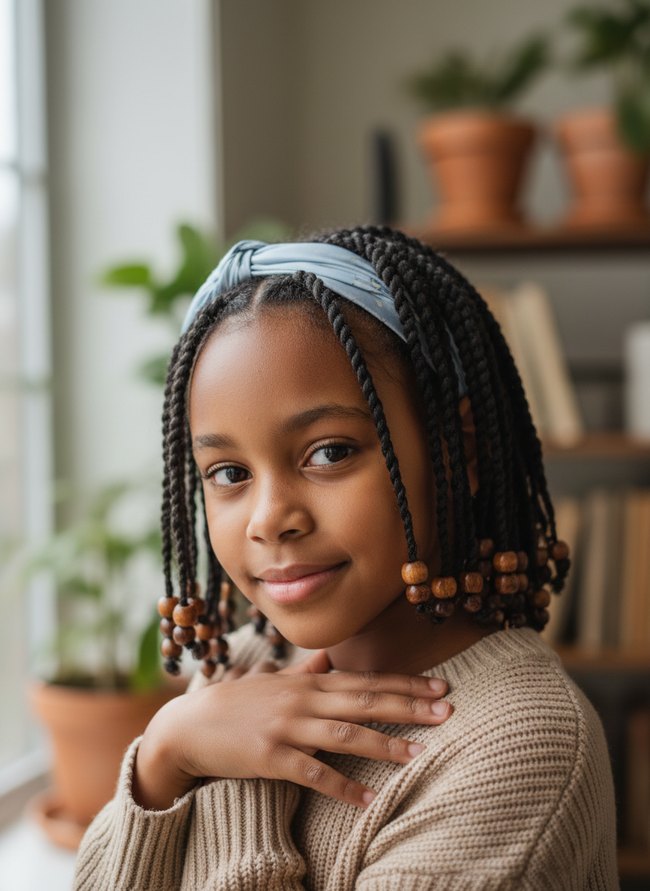
    Small dark twists fall to shoulder length, keeping the child’s hair neat and protected. A light blue knotted headband adds a sweet accent, pushing the front hair away from the face. Wooden beads at the end of many twists provide a playful, decorative touch.

    4. Scalp Care Hydration

    Scalp Care Hydration

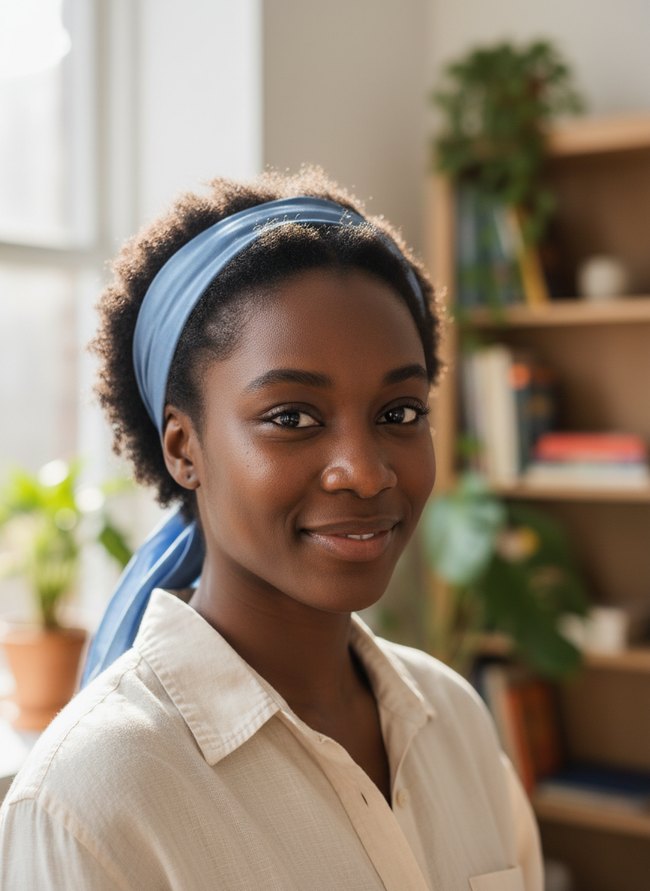
    A young person with dark, coily hair wears a light blue satin headscarf, keeping natural curls pulled back from her face. The soft fabric prevents friction and helps maintain moisture levels on the scalp. Her hair shows a healthy sheen, demonstrating the benefits of proper kids natural hair care for scalp hydration.

    5. Defined Curl Custard

    Defined Curl Custard

    A young girl’s dark brown curly hair frames her face, showcasing bouncy, defined curls that stay soft and neat. Her natural hair appears hydrated and shiny, suggesting a product that adds moisture without sticky residue. The product allows for great curl definition, keeping the child’s hair vibrant and healthy all day.

    6. Braided Updo Technique

    Braided Updo Technique

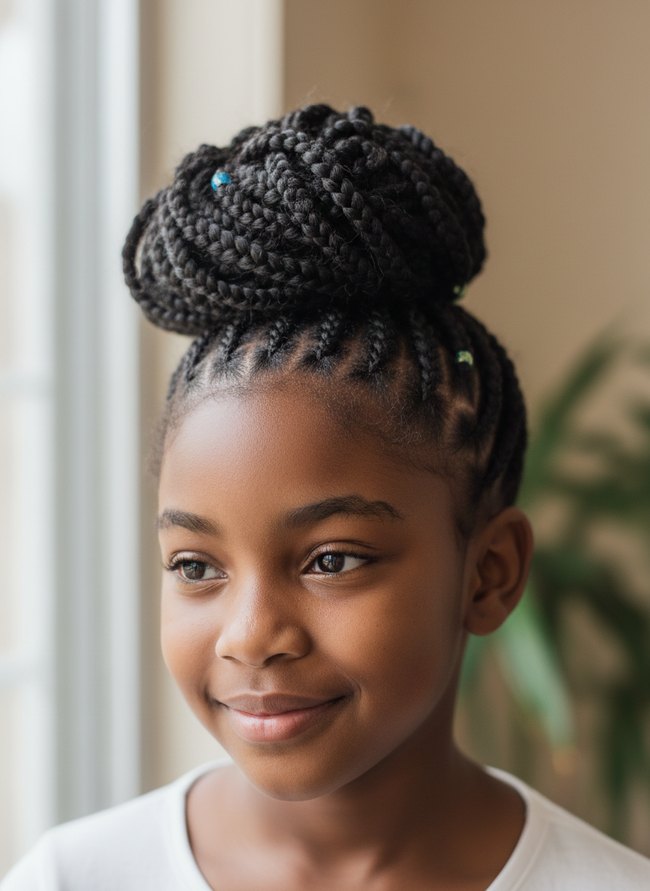
    Braided hair forms a secure, high bun on the crown, creating a neat updo with small blue and green beads woven into the dark braids. The child’s natural hair care is visible in the tightly braided cornrows on the scalp, which lead up to the large bun. The style offers a protective, practical option for active children.

    7. Leave-In Conditioner Application

    Leave-In Conditioner Application

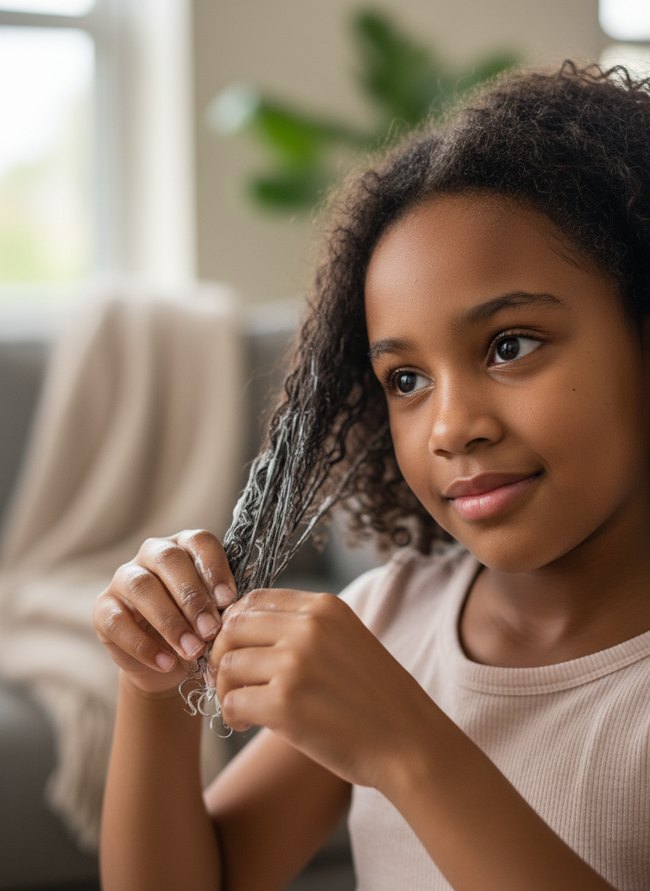
    A young girl gently pulls apart a dark curly hair strand, coated with white conditioner from root to tip. Her small hands work the moisturizing product through the section, ensuring every curl receives hydration. The image clearly demonstrates how to apply leave-in conditioner to kids natural hair, showing a good way to get the product deep into the hair shaft.

    8. Pre-Poo Treatment Method

    Pre-Poo Treatment Method

    Dark curly strands frame a young girl’s face, each coil coated with white cream, showing a pre-poo treatment in action. A soft blue cotton t-shirt covers her shoulders, highlighting the care given to her hair. Her smiling face reveals the comfort and ease of this hair care step.

    9. Satin Bonnet Protection

    Satin Bonnet Protection

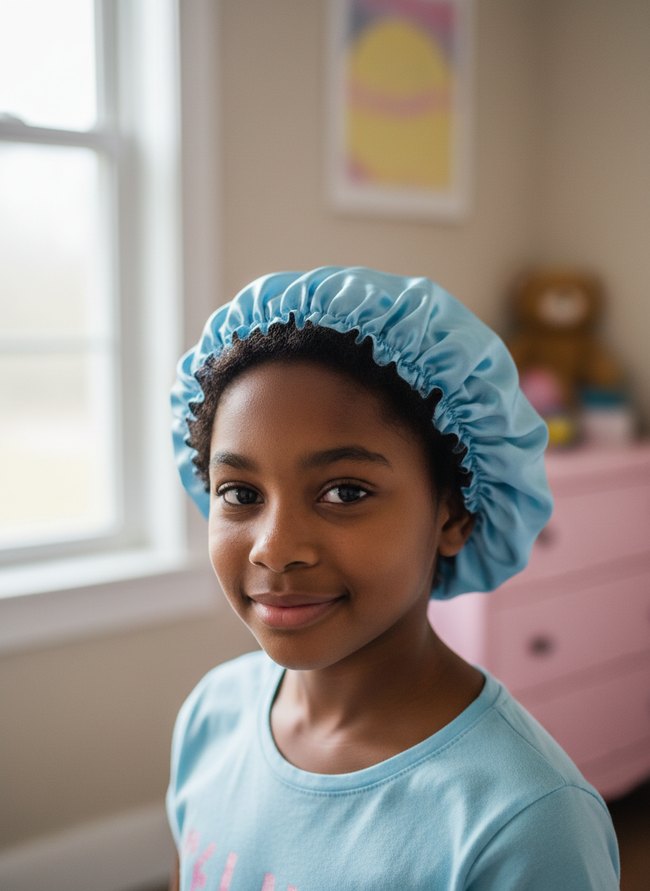
    A young girl wears a light blue satin bonnet, soft fabric gathered gently around her hairline to protect her natural hair. The smooth, shiny material prevents friction and keeps delicate strands moisturized throughout the night. The bonnet offers a simple, effective solution for maintaining healthy kids natural hair care.

    10. Sectioning Hair Strategy

    Sectioning Hair Strategy

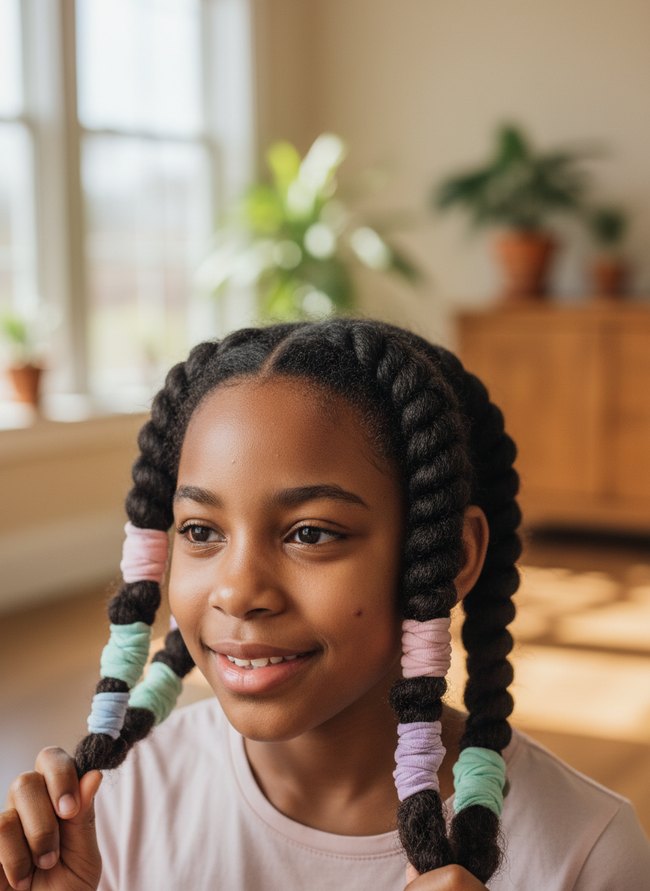
    Two thick, dark braids frame the young girl’s smiling face, showing off a neat center part. Small, colorful fabric wraps hold the hair sections together, keeping the braids tidy and preventing tangles. The simple method makes styling much easier, reducing fuss and increasing comfort for your child.

    11. Deep Conditioning Mask

    Deep Conditioning Mask

    White creamy product sits on dark curly hair, showing how a deep conditioning mask can nourish your child’s natural hair. A soft beige towel wraps around the child’s shoulders, keeping clothes clean during this pampering treatment. The image effectively highlights the fun, easy application of a deep conditioning mask.

    12. Edge Control Styling

    Edge Control Styling

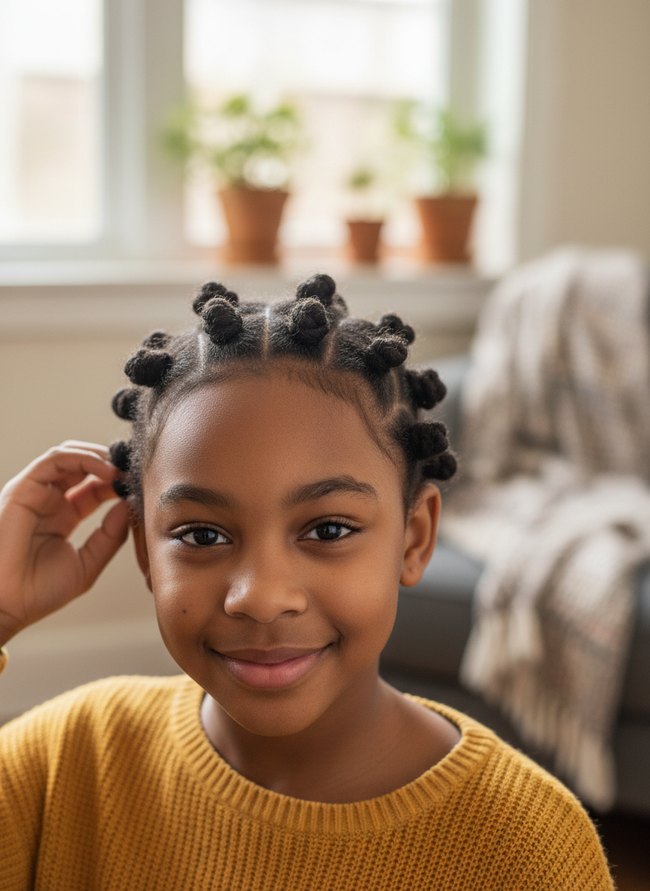
    Small Bantu knots on the young girl’s head offer a protective style that keeps your child’s dark hair neatly contained. Neatly sectioned parts create a clean grid pattern across the scalp, showcasing careful attention to detail. The knots work well to protect delicate ends, making them a great option for kids’ natural hair care.

    Beyond ‘Just Water’: Understanding How Porosity Changes Everything for Little Strands

    …your child’s hair porosity truly changes everything for those little strands. Understanding porosity helps you choose the right products, saving you money and preventing frustrating wash days. Most parents just grab whatever curl cream smells good, but that often leads to dry, crunchy hair or a greasy, heavy mess because the formula does not match the hair’s ability to absorb moisture. Low porosity hair has tightly packed cuticle scales, making it hard for water and products to get in, so lightweight liquids and gentle heat from a warm towel work best to open the cuticle. Conversely, high porosity hair has open, raised cuticles, which means moisture enters quickly but also escapes fast; rich butters and heavy oils seal the hair shaft, keeping vital moisture inside each brown coil. You can easily test your kiddo’s hair: drop a clean strand into a glass of room-temperature water; if the strand floats, hair has low porosity. If it sinks quickly, that strand has high porosity. A strand that floats for a bit then slowly sinks shows normal porosity, a happy medium that absorbs moisture well without losing it too fast. Knowing this simple fact guides every product purchase, ensuring soft, moisturized hair.

    The ‘Tears-Free’ Detangling Method: More Than Just a Spray Bottle

    …warm water helps hair get soft. Finger detangling on wet strands keeps tears away better than any spray bottle ever could. A wide-tooth comb glides through those loose curls after your fingers have done the hard work. You need a good, slippery conditioner, not just a watery mist. Little hands can even help work the creamy white product through their own brown coils. Many people think a detangling spray solves all problems. That spray just coats the top, leaving the deeper knots untouched and still painful. Instead, divide the hair into four small sections, securing each with a brightly colored hair tie. Working one small segment at a time prevents new tangles from forming while you focus on stubborn spots. Begin at the ends of the hair, not the scalp. Starting at the top just pushes all the snags together into one big, painful clump at the bottom. This gentle method saves hair breakage. Your child’s scalp will thank you. A soft bristle brush finishes the job, smoothing the outer layer of each dark strand.

    Which Idea Will You Try First?

    That’s 12 different takes on kids natural hair care. The best ideas above are usually the smallest moves — one material, one layout shift, one piece of furniture in the right place. Pick whichever room feels closest to your space and start there before tackling the rest.

    Found an idea worth keeping? Save this post to your Pinterest board so it’s waiting for you when you’re ready to start your own project.
  • Best Gentle, Kid-Safe Products for Natural Hair

    Best Gentle, Kid-Safe Products for Natural Hair

    Little one’s coils require serious care. Hair care products for kids’ natural hair often promise big results. Finding gentle shampoos and deep conditioners for delicate strands feels like a full-time job. Little hands tangle curly textures. Parents want to keep their scalp healthy, clear, and itch-free. Chemicals in many adult formulas cause irritation or damage fine hair. Good products mean fewer tears during wash day, a smoother styling routine, and shiny, soft curls. A solid hair regimen starts with the right stuff. Our team sifted through the noise to find real solutions.

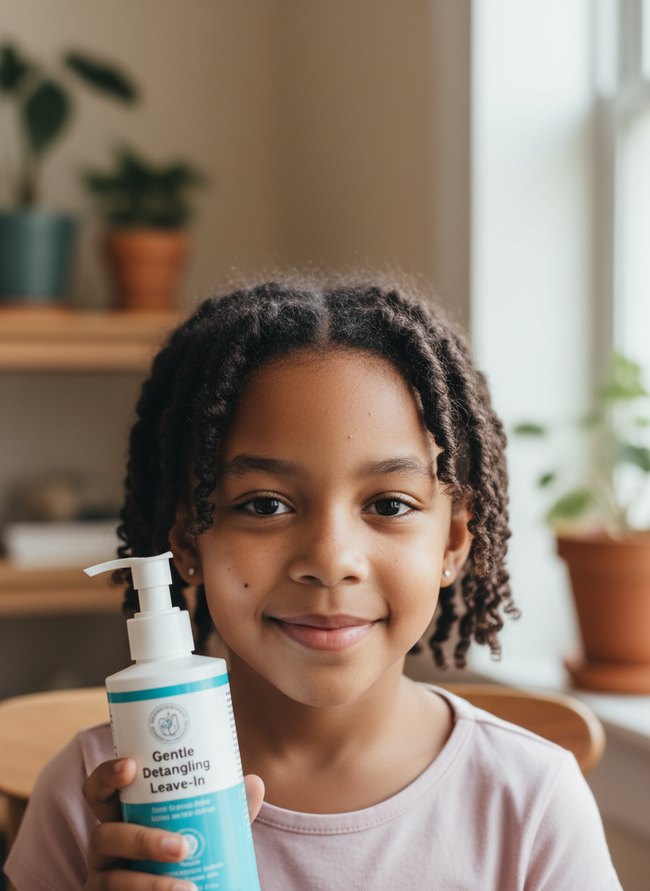
    1. Gentle Detangling Leave-In

    Gentle Detangling Leave-In

    The white pump bottle offers easy product dispensing for young children. The gentle detangling leave-in applies to damp hair after washing. Do not rinse out the conditioner.

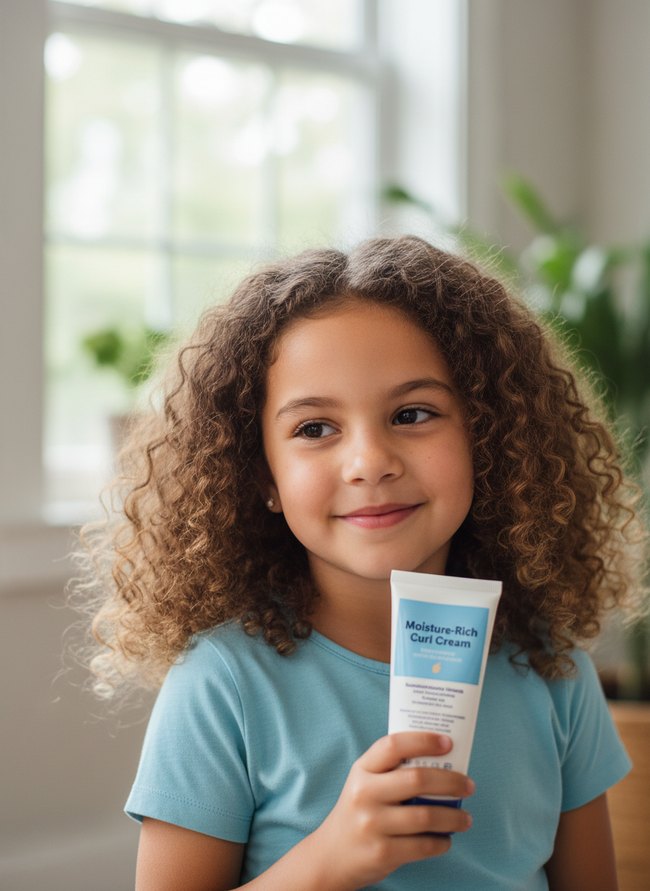
    2. Moisture-Rich Curl Cream

    Moisture-Rich Curl Cream

    A small, white tube of “Moisture-Rich Curl Cream” sits in a young girl’s hand. Light brown curls frame a smiling face, showing how the product enhances her hair. Apply a small dollop of curl cream to damp hair, then gently scrunch your child’s curls for bouncy definition. Avoid using too much cream; the product can weigh down delicate, natural hair.

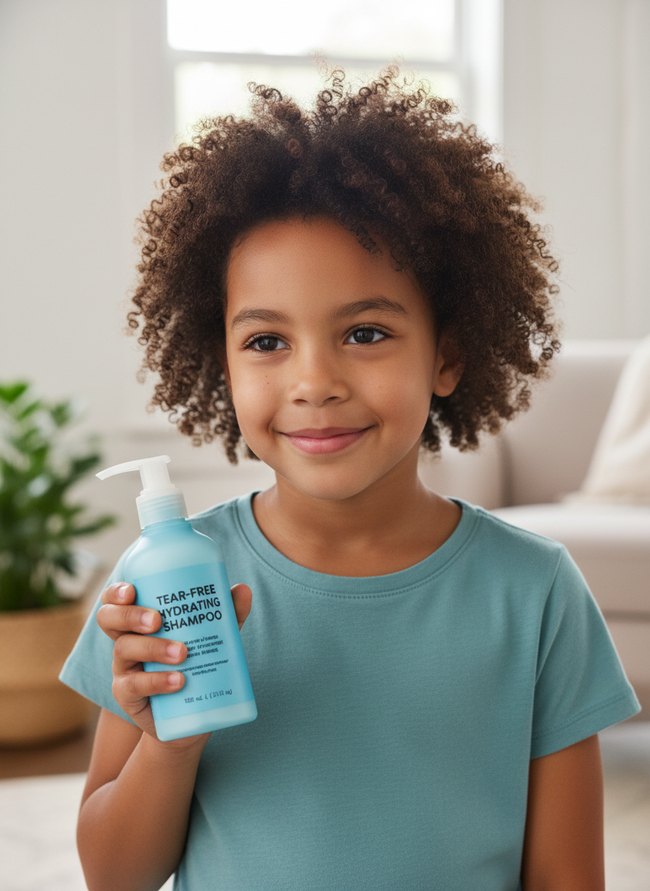
    3. Tear-Free Hydrating Shampoo

    Tear-Free Hydrating Shampoo

    A light blue plastic bottle of Tear-Free Hydrating Shampoo with a white pump rests in a child’s hand. The shampoo helps keep your child’s natural hair soft and clean without causing tears. Gentle cleansers are ideal for young, sensitive scalps.

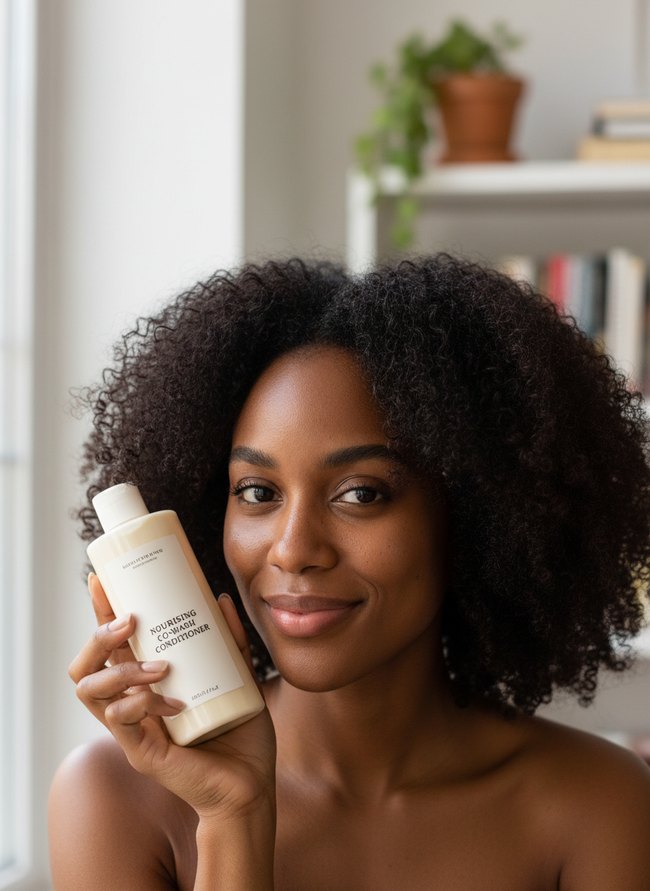
    4. Nourishing Co-Wash Conditioner

    Nourishing Co-Wash Conditioner

    A woman with dark, curly hair holds a cream-colored bottle of Nourishing Co-Wash Conditioner. Apply the rich conditioner to wet natural hair, gently massaging the product into the scalp and strands. Rinse the creamy product thoroughly to remove all residue and leave hair soft.

    5. Soft Hold Styling Gel

    Soft Hold Styling Gel

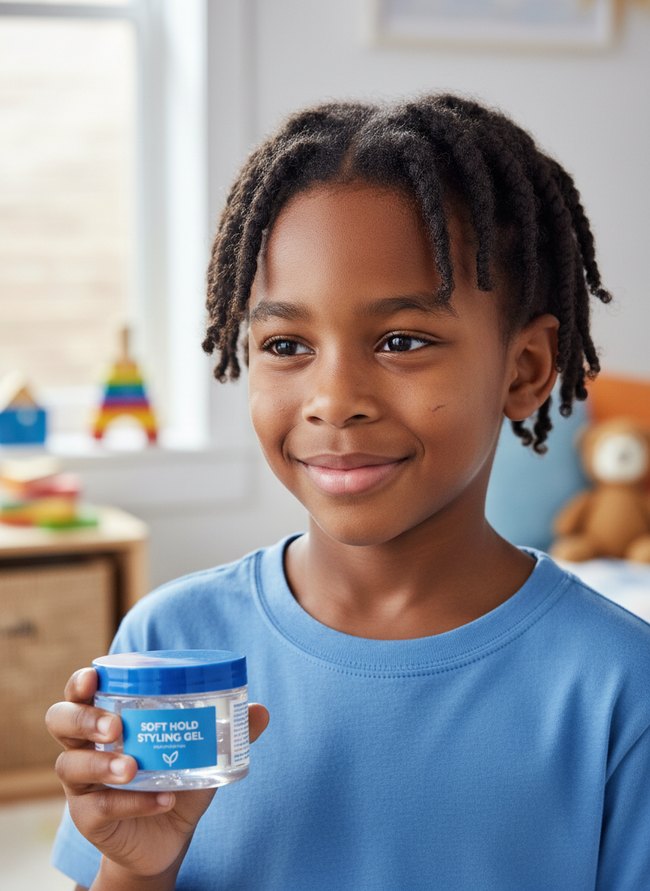
    The clear plastic jar of “Soft Hold Styling Gel” helps shape dark, twisted hair. A small dollop of the clear gel can be applied to damp hair for gentle styling. Fingertips can work the gel through your child’s natural hair, then sculpt the locks into the desired shape.

    6. Botanical Defining Custard

    Botanical Defining Custard

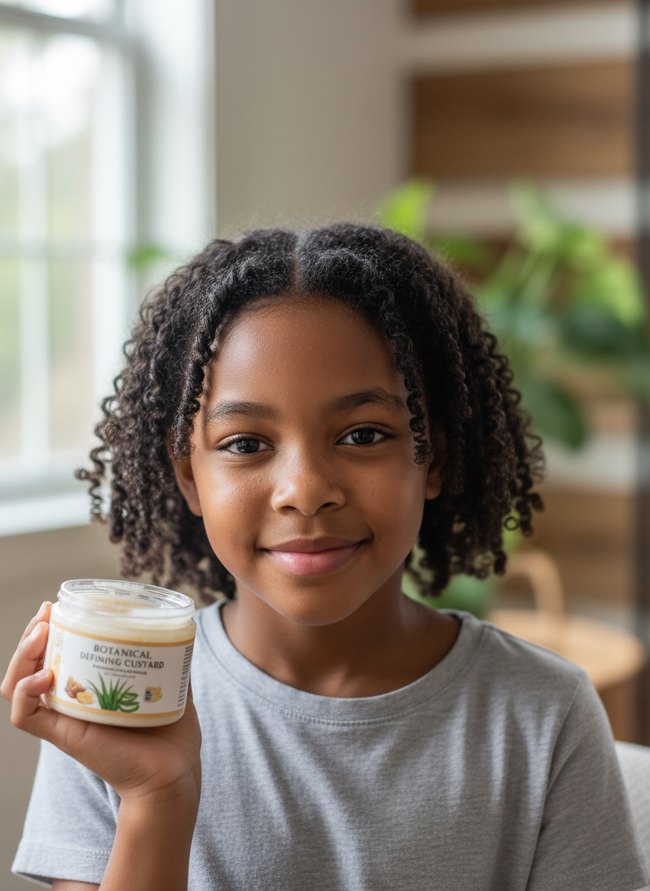
    A clear glass jar of Botanical Defining Custard holds a thick, pale yellow cream. Parents can rub a small amount of the custard into a child’s damp hair to create soft, defined curls. Always start with a tiny dollop to prevent product buildup.

    7. Soothing Scalp Treatment

    Soothing Scalp Treatment

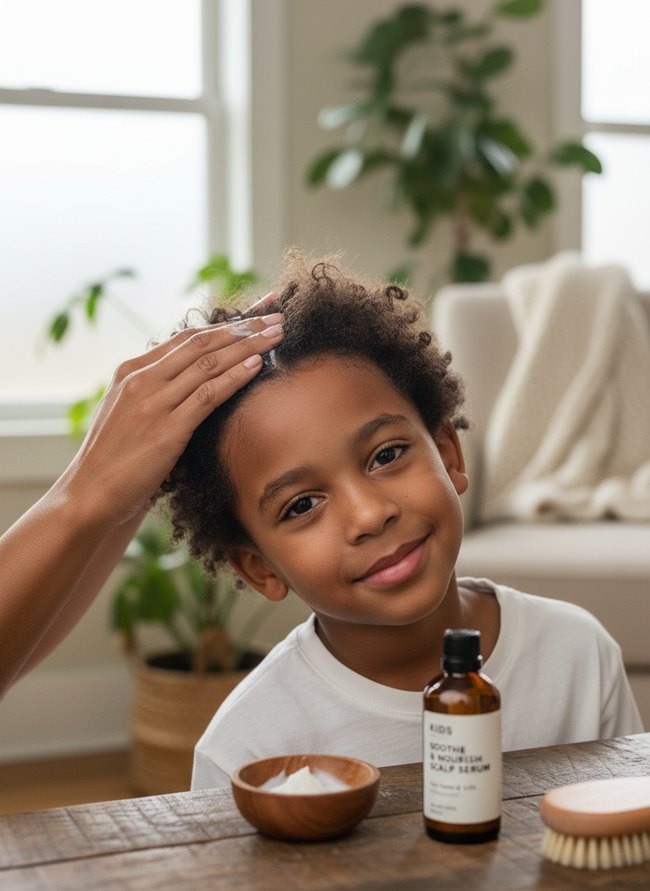
    A small child smiles as gentle hands part his dark, curly hair to apply a white soothing cream. Parents can rub a small amount of the cream directly onto the scalp to ease dryness. Always test a tiny bit first to check for any skin reactions.

    8. Frizz Control Hair Milk

    Frizz Control Hair Milk

    A white plastic bottle with a light blue label reads “Frizz Control Hair Milk.” Apply a small amount to damp hair, working the milk gently from roots to ends. The hair milk helps tame flyaways and keeps curls soft all day, so avoid using too much to prevent a greasy look.

    9. Protective Style Pomade

    Protective Style Pomade

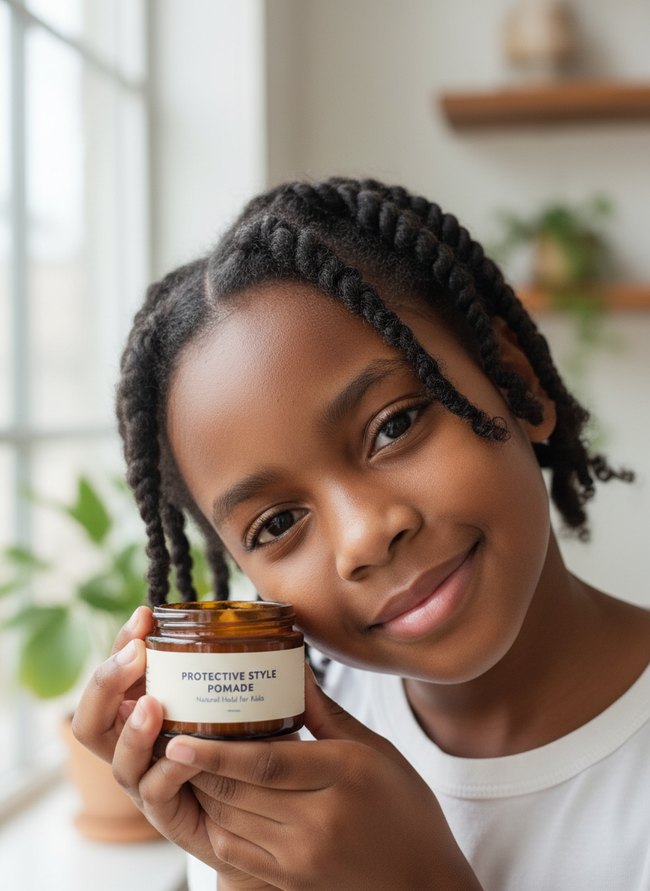
    A small amber glass jar of Protective Style Pomade rests in a child’s hands, ready for use on textured hair. The pomade keeps braided styles neat and frizz-free. Always apply a small amount directly to damp hair for the best hold.

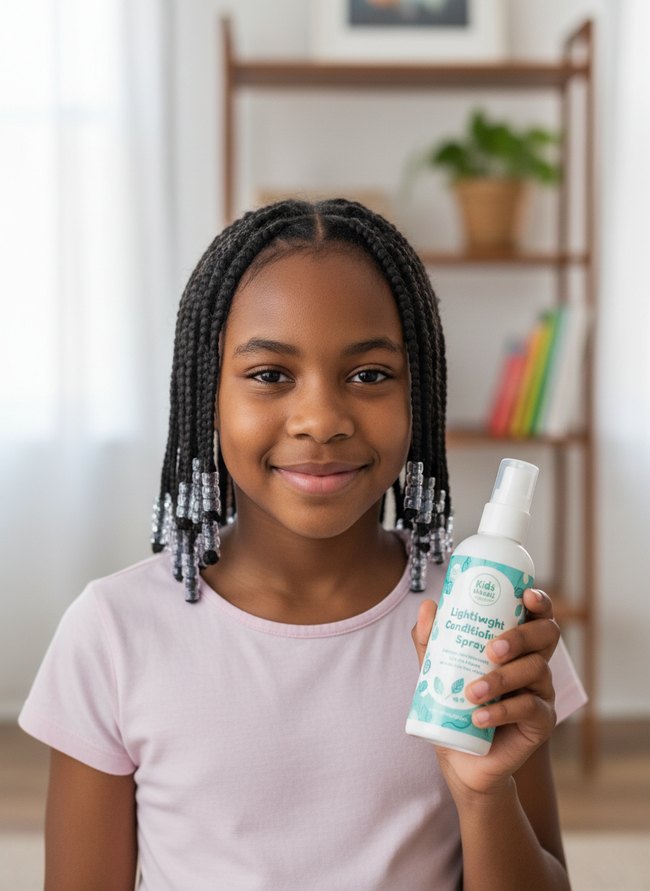
    10. Lightweight Conditioning Spray

    Lightweight Conditioning Spray

    The white plastic bottle of Lightweight Conditioning Spray features green leaf designs and a clear spray top. Parents can easily mist a child’s damp hair to detangle knots after washing. Haircare professionals recommend focusing on the ends of the hair, avoiding direct application to the scalp for optimal results.

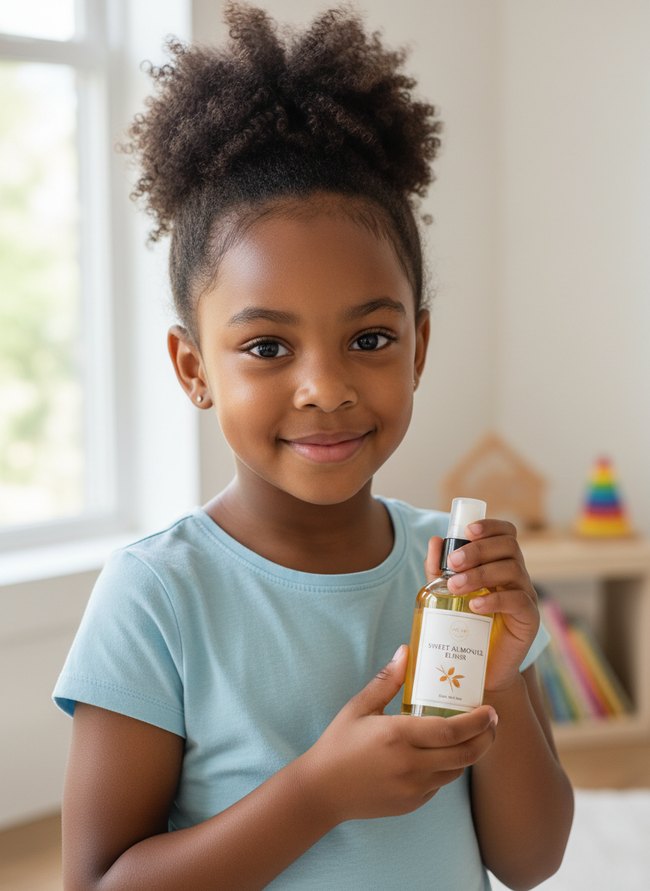
    11. Sweet Almond Oil Elixir

    Sweet Almond Oil Elixir

    A small child proudly holds a transparent plastic bottle of Sweet Almond Elixir, showcasing its light golden oil. The natural hair product sprays onto damp or dry hair for a smooth finish. Always check the ingredient list for any potential allergens before applying.

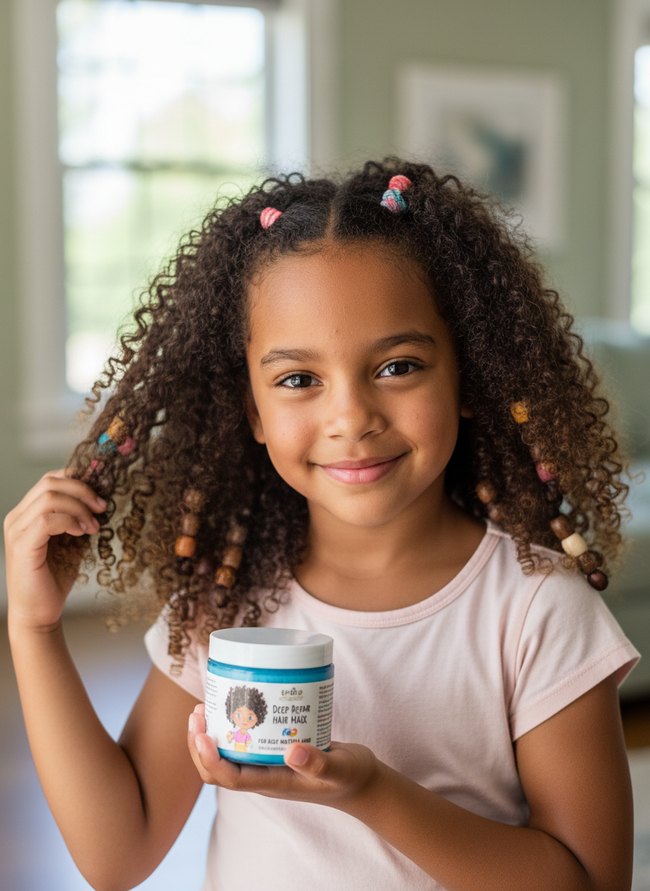
    12. Deep Repair Hair Mask

    Deep Repair Hair Mask

    The turquoise Deep Repair Hair Mask jar features a joyful cartoon girl with curly hair, suggesting gentle care for young strands. Users can scoop a small amount of the mask onto their fingertips. Smooth the creamy product evenly through damp natural hair, from roots to ends.

    My Kid Hates Wash Day! How Do I Make It Less of a Battle?

    Most parents grab a regular towel after washing their child’s hair. Cotton loops snag tender strands, causing painful pulling. Instead, you need a soft microfiber hair towel. This smooth fabric reduces friction, cutting down on tangles before they even form.

    Many people think more shampoo means cleaner hair. They scrub vigorously, creating a thick foam. This harsh scrubbing strips natural oils, leaving hair dry and prone to breakage. A gentle, moisturizing shampoo in a small, nickel-sized dollop works best.

    Parents often attack knots with a fine-toothed comb on dry hair. This method pulls and breaks delicate curls. Wet hair needs a wide-tooth comb or a detangling brush, starting from the ends and working upwards. Your child’s hair will thank you.

    Some caregivers rinse hair under a powerful stream of water. High water pressure can scare little ones and make hair tangle worse. A gentle, lukewarm shower head setting or a plastic cup for rinsing makes the process calmer. This controlled flow keeps hair smooth.

    Finally, you might hear that leaving conditioner in makes hair greasy. Conditioner is hair’s best friend. A generous amount of leave-in conditioner after rinsing seals in moisture. This final step keeps natural hair soft and manageable, easing future styling sessions.

    Why Does Their Hair Always Look Dry, Even After I Condition It?

    Most parents believe a thick cream or heavy oil seals moisture into their child’s natural hair. Hair strands often feel stiff and brittle afterward. Water actually locks in moisture, not oil. Many people skip this key step. You must apply water first to truly hydrate little coils. A spray bottle filled with plain water works wonders. Dampen the hair thoroughly, from scalp to coarse ends, before any other product touches it.

    Next, a light leave-in conditioner coats each wet strand. Many moms use only heavy butters. A creamy liquid leave-in conditioner spreads easily. Distribute the white product from root to tip. That clear layer prevents water from escaping. Then, a thin oil, like golden jojoba, can smooth the outer cuticle. Heavy oils just sit on top. A small dime-sized amount of oil adds shine. Finally, a light styling cream, maybe a soft flaxseed gel, defines curls. Many parents apply too much at this stage. A finger full of styling cream holds the shape without stiffness. This layering approach keeps natural hair soft and flexible for days.

    Which Idea Will You Try First?

    That’s 12 different takes on best products for kids natural hair. The best ideas above are usually the smallest moves — one material, one layout shift, one piece of furniture in the right place. Pick whichever room feels closest to your space and start there before tackling the rest.

    Found an idea worth keeping? Save this post to your Pinterest board so it’s waiting for you when you’re ready to start your own project.
  • 10 Must-Have Hair Beads and Accessories for Little Girls

    10 Must-Have Hair Beads and Accessories for Little Girls

    A child’s hairstyle needs extra sparkle and color. Small braids or long ponytails often feel incomplete without a bright touch. Parents want cheerful additions that stay put through active play, like plastic beads or a metal clip. Finding durable pieces that won’t snap or lose their vibrant finish after a few wears presents a challenge. Many parents search for practical, child-safe items that also look fantastic. We understand the hunt for those perfect finishing touches. Hair accessories for kids bring a smile to any young face.

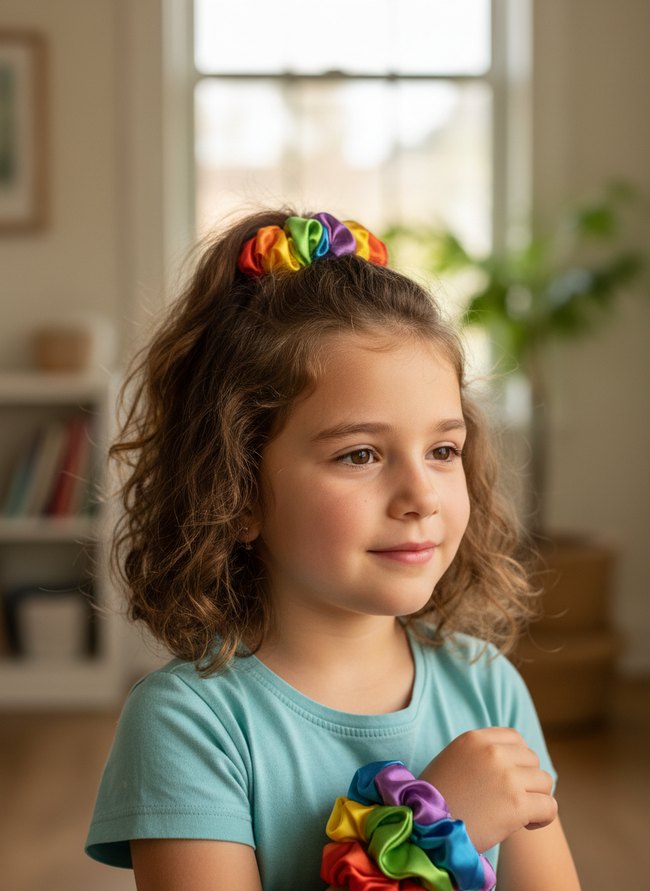
    1. Rainbow Satin Hair Scrunchies

    Rainbow Satin Hair Scrunchies

    A young girl wears a rainbow satin scrunchie high on her dark curly hair. Her aqua blue t-shirt matches the bright colors in the hair accessory. You can easily add a burst of color to any hairstyle with the playful scrunchies.

    2. Sparkle Unicorn Hair Clips

    Sparkle Unicorn Hair Clips

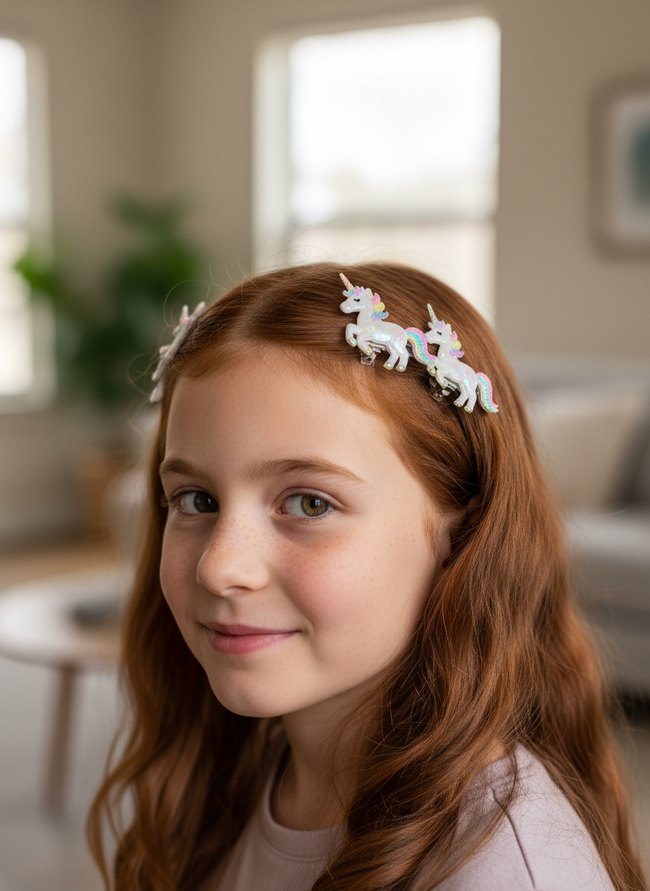
    Two white unicorn hair clips with rainbow manes sit on a child’s red hair. The iridescent unicorns add a playful touch to the hairstyle. The hair accessories can brighten any outfit.

    3. Colorful Fabric Headband Set

    Colorful Fabric Headband Set

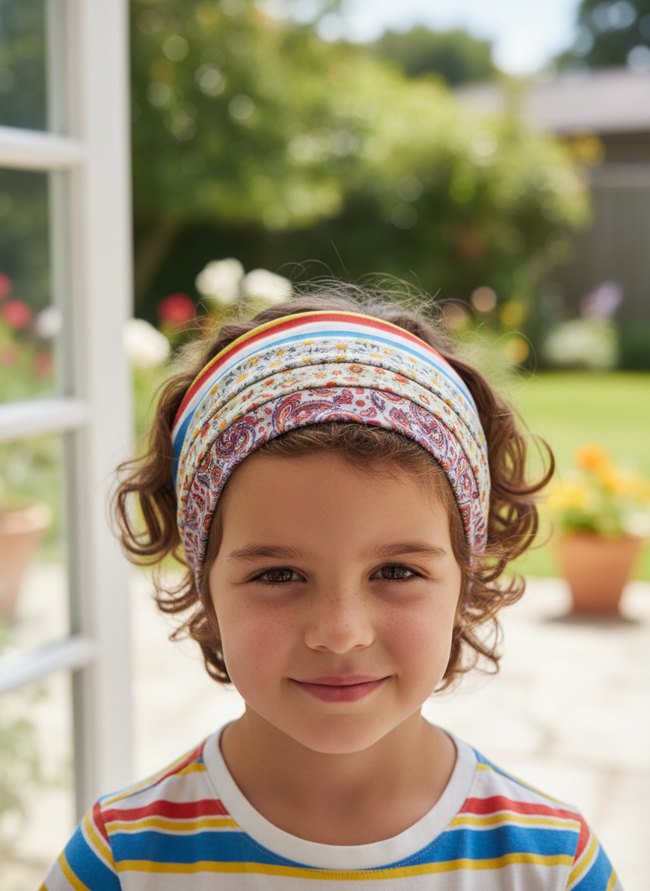
    A young girl wears a wide fabric headband with colorful stripes and a floral paisley pattern. Her dark curly hair flows from under the soft accessory, complementing her striped white and blue shirt. The hair accessories for kids keep stray strands neatly tucked away while adding a bright color pop.

    4. Bow Pearl Hair Ties

    Bow Pearl Hair Ties

    Two small cream-colored bows with multiple round pearls sit on both sides of the girl’s brown hair. The hair accessories add a sweet, decorative touch to her wavy medium-length curls. The bows and pearls bring a soft, classic feel to any simple hairstyle.

    5. Glitter Star Snap Clips

    Glitter Star Snap Clips

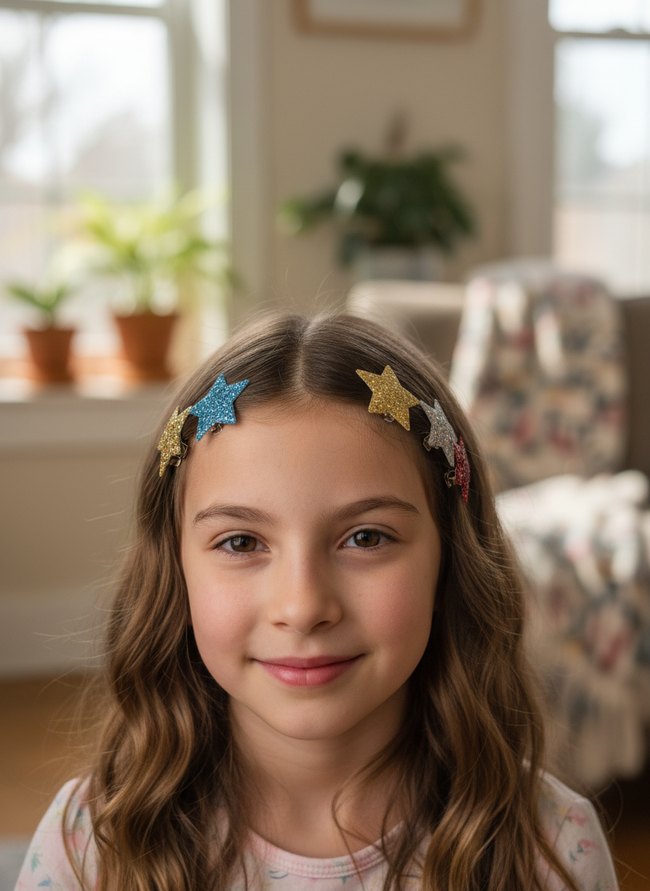
    Four glittery star snap clips—blue, gold, silver, and red—hold back a young girl’s medium brown hair. The colorful clips keep stray strands neatly in place. Several small clips add a playful touch to any hairstyle.

    6. Sweet Floral Hair Pins

    Sweet Floral Hair Pins

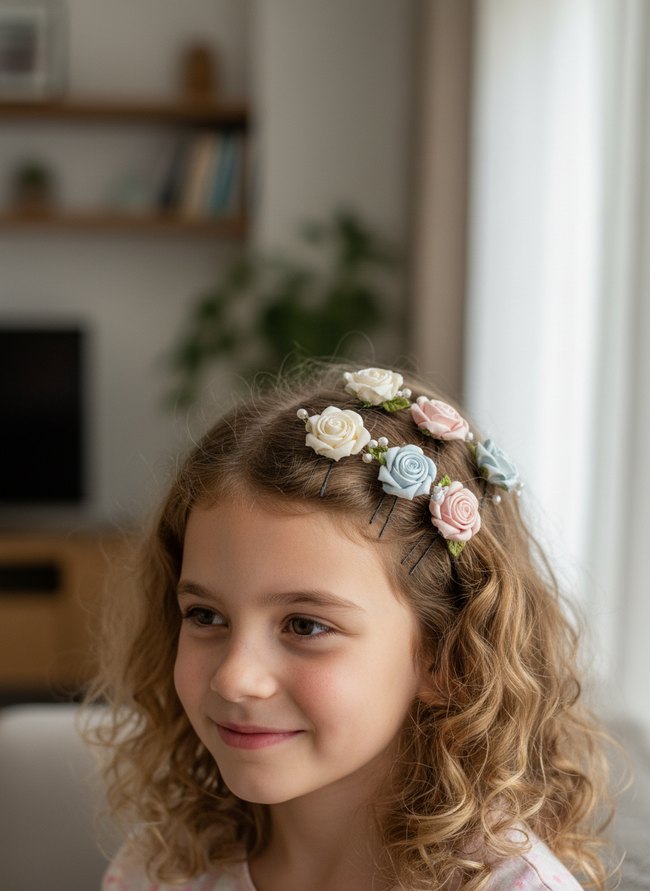
    Small fabric rosebuds in soft pink, cream, and baby blue colors adorn a young girl’s curly brown hair. Tiny white beads nestle among the green fabric leaves of the sweet hair accessories. Delicate floral pins add a touch to any hairstyle.

    7. Playful Cartoon Hair Bows

    Playful Cartoon Hair Bows

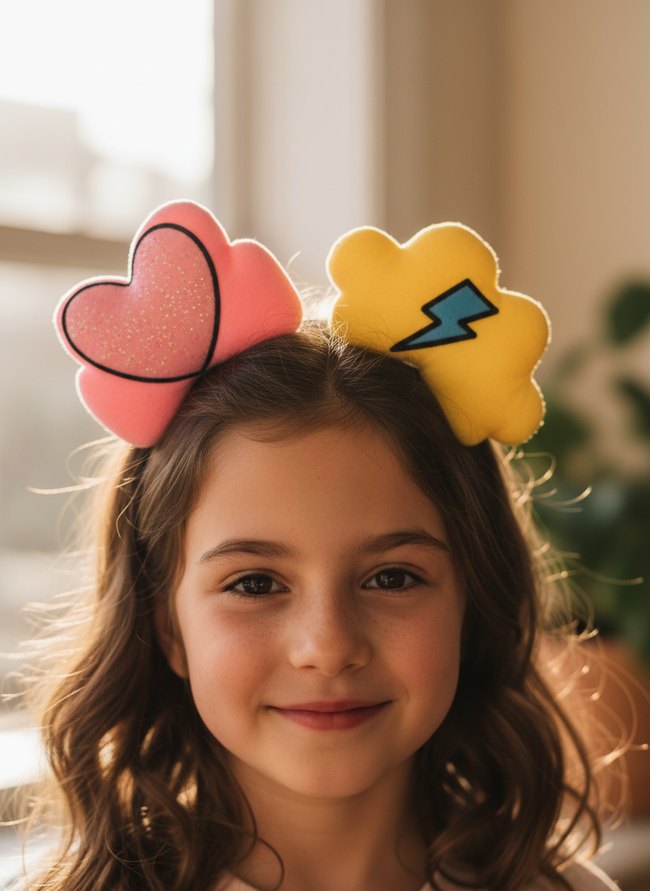
    A young girl wears a white headband with two plush shapes on top. One bright pink heart, dotted with fine glitter, sits above her left ear; a sunny yellow cloud with a blue lightning bolt is above her right ear, framing her face. The hair accessories add a fun, whimsical touch to any outfit.

    8. Soft Velvet Hair Bands

    Soft Velvet Hair Bands

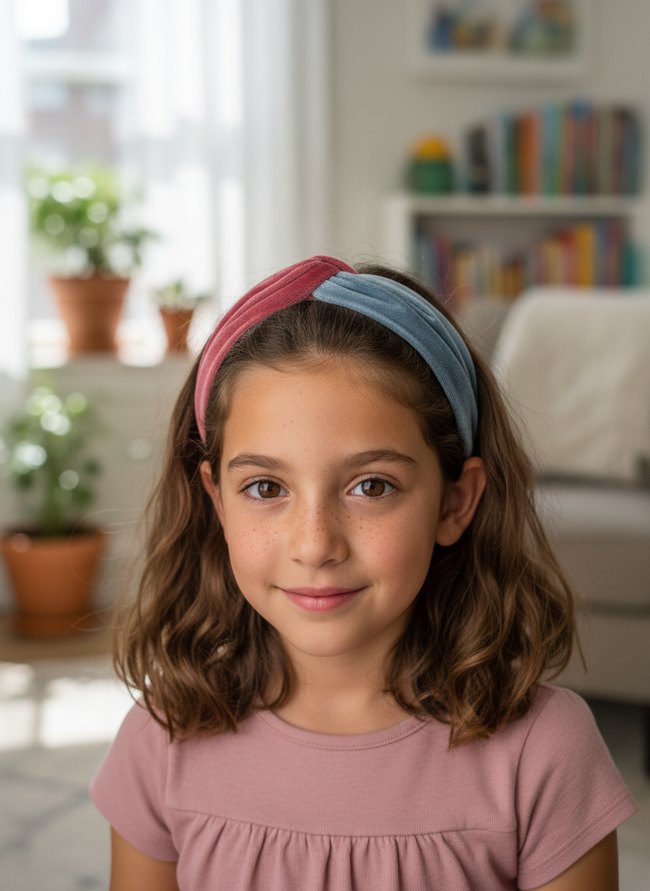
    A young girl wears a two-tone velvet headband with dusty rose and light blue fabric. Brown hair falls in loose, natural waves around her shoulders. Soft velvet hair accessories for kids come in various colors to match any outfit.

    9. Braided Cord Hair Wraps

    Braided Cord Hair Wraps

    A young girl with light brown hair smiles softly, adorned with many colorful braided strands. Fun hair accessories for kids feature bright pink, blue, green, and yellow cords woven into her natural hair. You can easily add cheerful wraps to create a playful look for any child’s hairstyle.

    10. Whimsical Animal Hair Barrettes

    Whimsical Animal Hair Barrettes

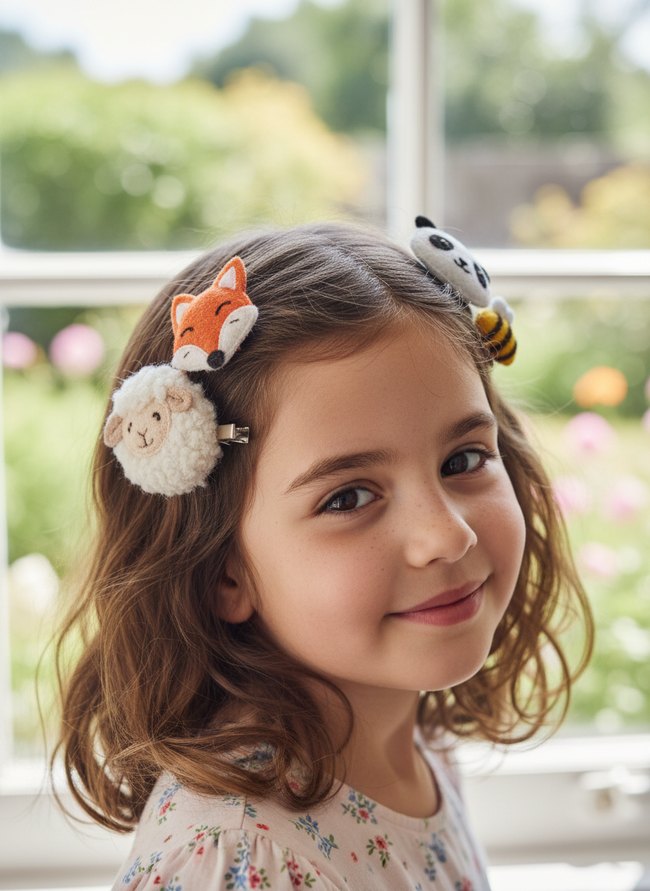
    Small felt animal figures adorn a young girl’s dark brown hair, including a fluffy white sheep, an orange fox, a black and white panda, and a yellow and black striped bee. The cute hair accessories clip easily into place, adding playful charm to her hairstyle. The fun animal clips quickly personalize any everyday look.

    Beyond the Beads: Creative Hairstyles to Showcase Each Accessory

    Tiny braids with colorful plastic beads give a playful, textured look. French braids woven with a silver ribbon create an elegant, shiny accent for school pictures. You can easily thread small wooden beads onto the ends of pigtails for a rustic charm. A low ponytail secured with a wide fabric scrunchie provides comfort during active play. Headbands with a single velvet bow add a sweet, classic touch to short bobs. For longer hair, try a half-up style with a pearl-studded clip holding back the top section. Braided buns benefit from a scattering of small clear elastic bands that keep flyaways smooth. A sparkly hair comb tucked into a side swept curl offers a festive feel. You can also try twisting two front sections of hair and pinning them back with a daisy-shaped barrette. Small, bright flower clips scattered throughout loose waves create a whimsical garden effect.

    Material Matters: Choosing Safe and Durable Hair Accessories for Kids

    Bright pink hair accessories for kids crafted from lead-free acrylic offer superior strength against rough play. Look for robust plastic clips and colorful barrettes that resist cracking or splintering. Soft elastic hair ties made from organic cotton prevent hair damage. Metal snaps on fabric bows should feature nickel-free plating to avoid skin irritation. Small hands frequently pull at hair, so durable materials extend the life of each item. You want sturdy designs. Wooden beads, stained with non-toxic, water-based paints, provide a natural, tactile feel. Silicone headbands, with their grippy texture, stay firmly in place on a child’s head during active movement. Many parents prefer accessories made from recycled plastic bottles, giving old materials a new purpose as fun hair accessories. Check labels for certifications like OEKO-TEX Standard 100 for textile items, ensuring absence of harmful substances. These certifications confirm product safety. A strong nylon thread secures delicate flower embellishments to hairpins, preventing small parts from detaching. Velvet ribbons, with their soft, plush surface, feel gentle against fine hair. Your child’s comfort matters.

    Which Idea Will You Try First?

    That’s 10 different takes on hair accessories for kids. The best ideas above are usually the smallest moves — one material, one layout shift, one piece of furniture in the right place. Pick whichever room feels closest to your space and start there before tackling the rest.

    Found an idea worth keeping? Save this post to your Pinterest board so it’s waiting for you when you’re ready to start your own project.
  • Best Detangling Brushes for Kids’ Natural Hair

    Best Detangling Brushes for Kids’ Natural Hair

    Tangles bring tears, a common struggle for many parents. A smooth, tear-free hair routine for a child can feel like a distant dream. Some brushes offer gentle glides, prioritizing scalp comfort with soft, flexible bristles. Other options provide tougher detangling power, pulling through stubborn knots more effectively with stiff, durable teeth. A child’s specific hair texture might need a brush built for thick curls, or perhaps one designed for fine, straight strands. Each model carries a different balance between comfort and raw detangling strength. Parents seek a hair tool that matches a child’s unique needs, a choice between delicate care and serious knot removal. The following brushes showcase diverse approaches to this daily task.

    1. Gentle Bristle Kids Detangler

    Gentle Bristle Kids Detangler

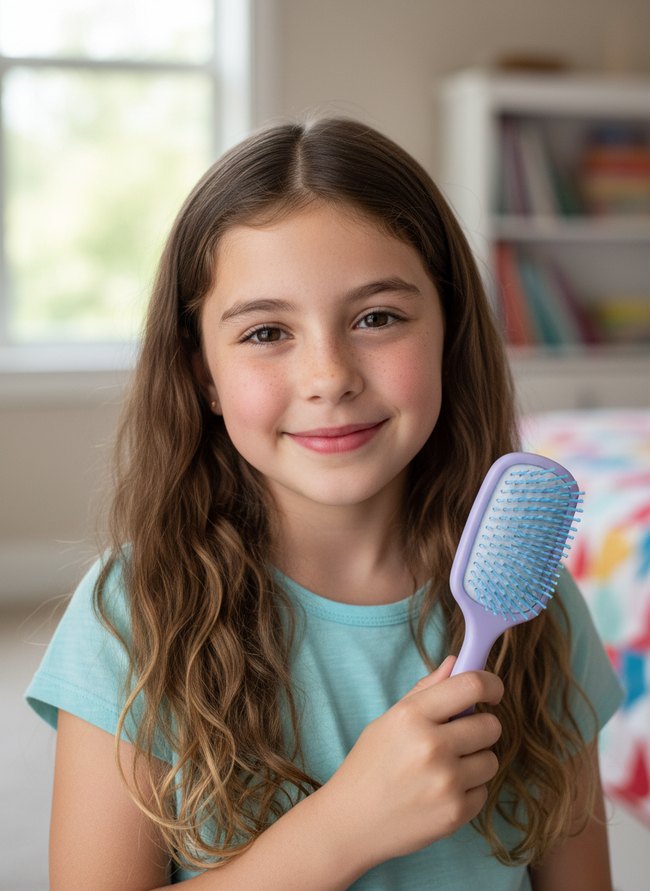
    A small girl holds a two-toned plastic brush with a light purple handle and a pale blue head. Parents choose this detangling brush for kids when soft, flexible bristles glide through long, brown hair. The brush’s gentle design prioritizes comfort over aggressive knot removal.

    2. Flex-Tooth Children’s Brush

    Flex-Tooth Children's Brush

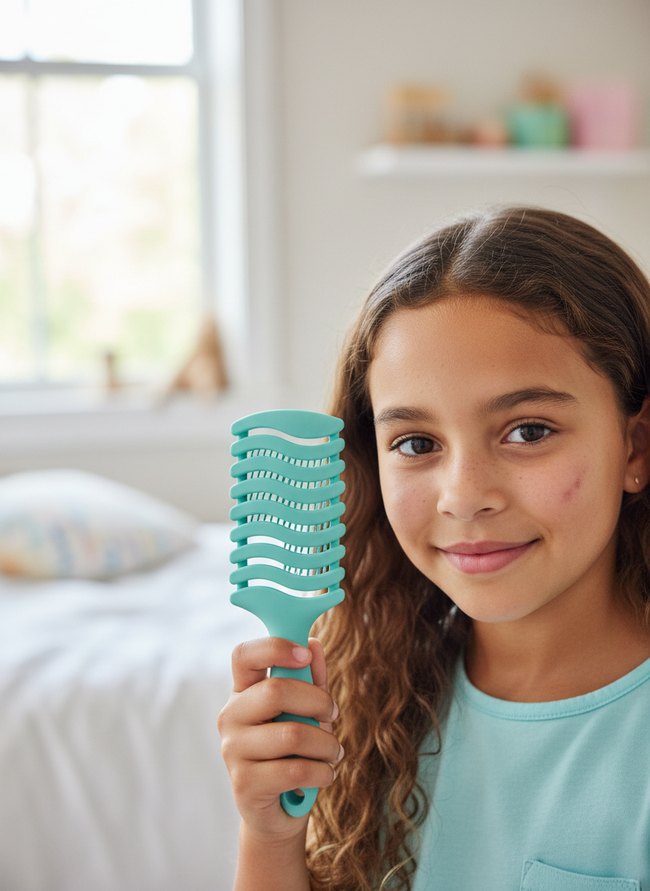
    A bright teal plastic brush with a green handle sits next to a young girl’s brown curly hair. A flexible-tooth brush is chosen for gentle detangling, trading away the firm grip of stiffer bristles. The colorful plastic pins promise a kind approach to tender scalps.

    3. Ergonomic Grip Detangling Comb

    Ergonomic Grip Detangling Comb

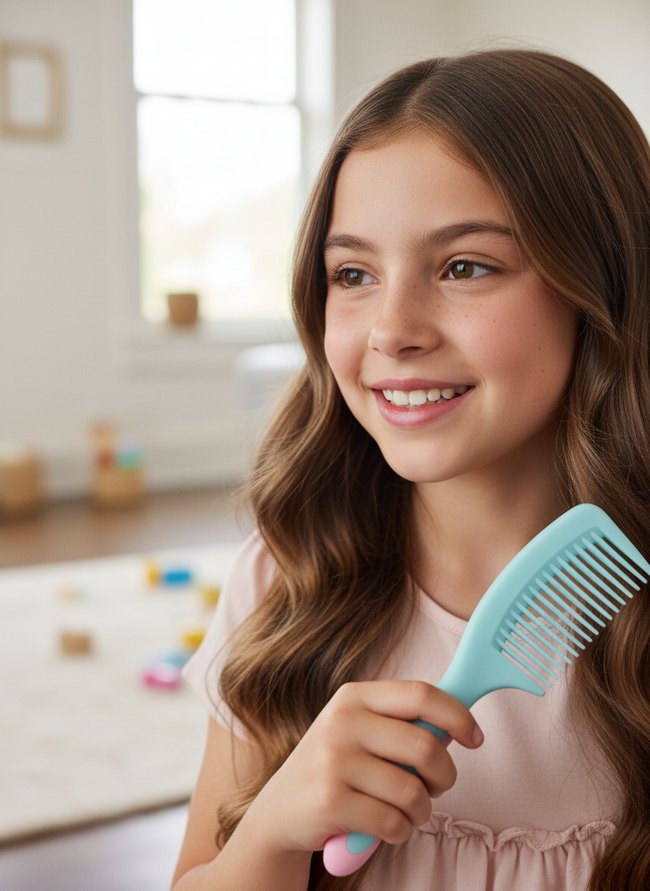
    A sky blue comb offers wide plastic teeth for gentle detangling. Your hand finds a secure hold on the ergonomic handle, featuring a soft pink oval detail. The hairbrush provides a simple, direct approach, trading away extra features for a straightforward brushing experience.

    4. Soft Touch Hair Glide

    Soft Touch Hair Glide

    A child holds a pastel purple detangling brush with light blue bristles. The Soft Touch Hair Glide offers a gentle approach for tender scalps, but wide-set plastic pins might not tackle tight knots in thick, curly hair. The colorful handle provides a soft, secure grip for small hands.

    5. Wave Pattern Detangling Tool

    Wave Pattern Detangling Tool

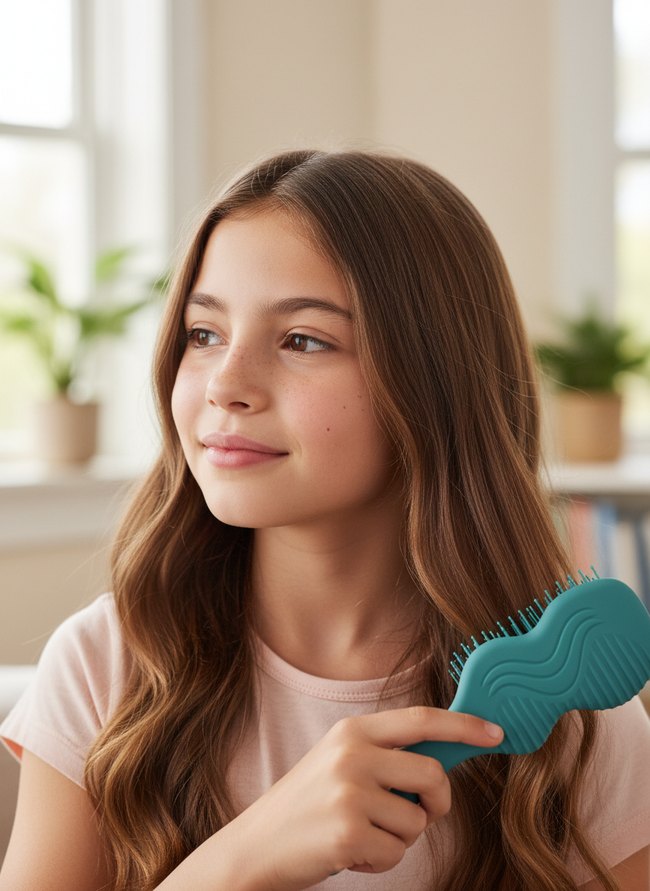
    A teal detangling brush with a wavy body provides gentle separation for curly hair. Your child holds the lightweight plastic tool with a firm, small grip. A bright white window in the background illuminates the room, offering soft, natural light.
    6. Miniature Paddle Brush
    Miniature Paddle Brush

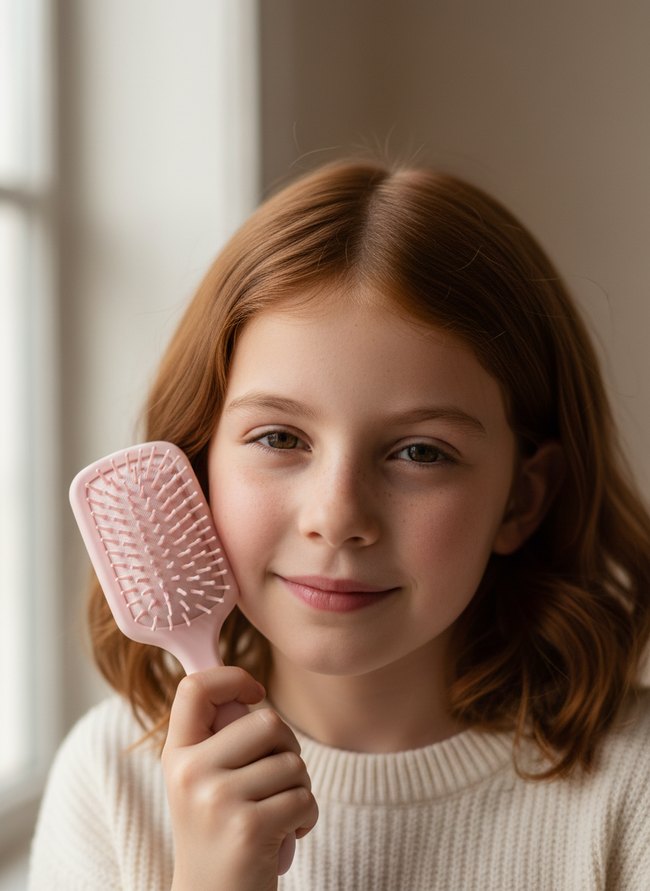
    A small pink plastic paddle brush rests against a child’s cheek. The compact brush allows for easier handling, trading away a larger surface area for quicker detangling. Soft textured bristles promise gentle care for young hair.

    7. Textured Hair Smoothing Brush

    Textured Hair Smoothing Brush

    A teal detangling brush with a wavy green handle sweeps through a child’s long brown hair. The brush prioritizes gentle gliding over aggressive knot removal, making it a kind choice for sensitive scalps. Your child’s relaxed expression shows comfort during the brushing process, a true mark of the best detangling brush for kids.

    8. Scalp Massage Detangler

    Scalp Massage Detangler

    A pale pink detangling brush glides through a woman’s brown curly hair. The massaging detangler prioritizes comfort over speed, trading quick sweeps for gentle strokes. Soft silicone bristles feel pleasant against the scalp.

    9. Knot Release Kids Brush

    Knot Release Kids Brush

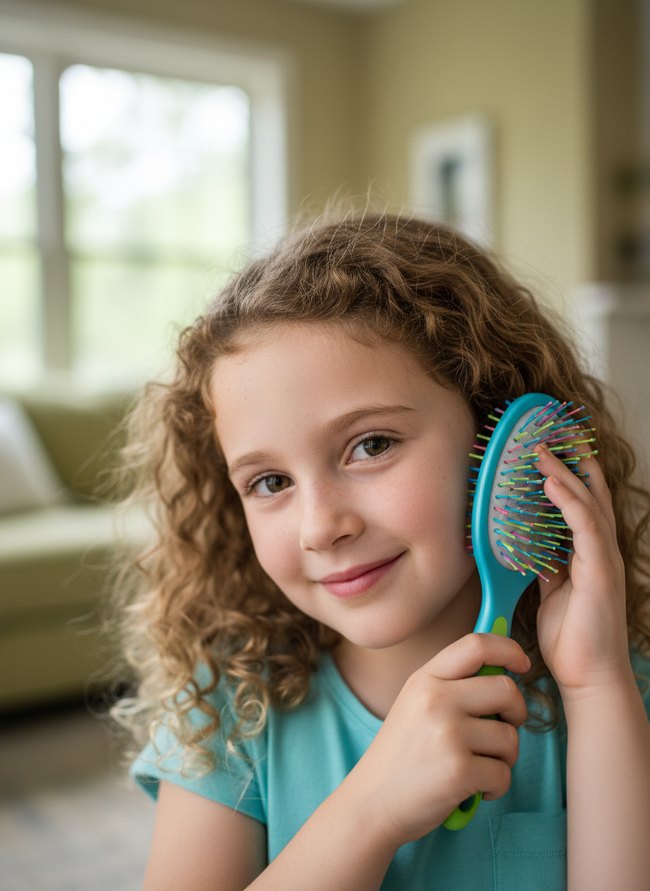
    A small girl holds a bright blue hairbrush with a pink bristle pad. The Knot Release Kids Brush offers a playful design, trading a muted color scheme for vibrant, cheerful tones. Her light brown curls frame a smiling face, suggesting simple ease with the detangling brush.

    10. Aqua Friendly Detangling Picker

    Aqua Friendly Detangling Picker

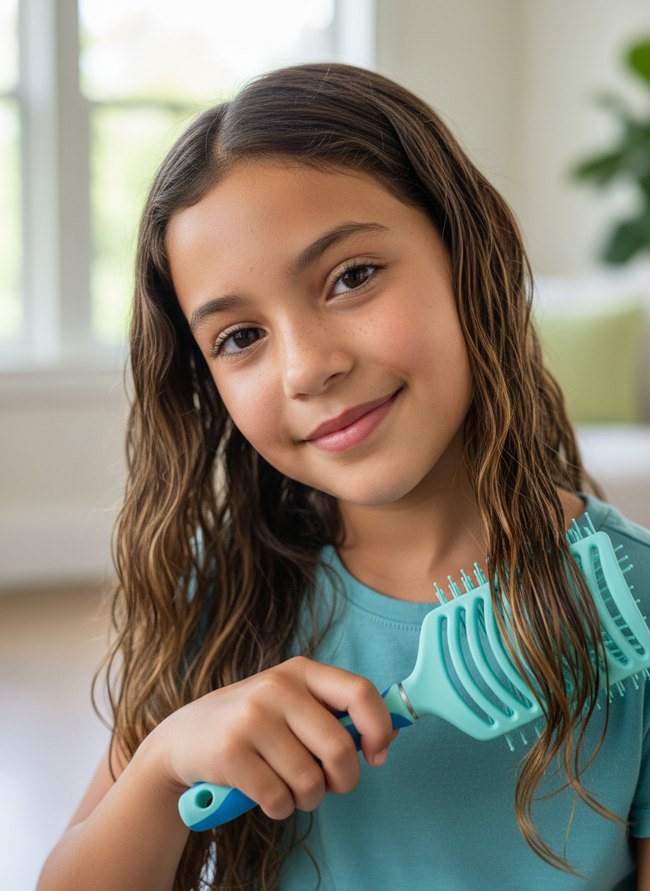
    A blue plastic detangling brush with a flexible head gently pulls through the long, brown hair. The tool is designed for wet hair, trading some dry hair styling ability for easy shower use. A light green pillow sits on a distant couch, offering a soft color contrast.
    11. Colorful Handle Easy Glide
    Colorful Handle Easy Glide

    The bright rainbow handle of the brush offers a playful look, trading a simple design for a fun splash of color. Wide yellow bristles promise gentle detangling, moving through curly brown hair with ease. The brush brings a cheerful approach to daily hair care.

    12. Travel Size Detangling Buddy

    Travel Size Detangling Buddy

    A small blue whale-shaped brush sits in a child’s hand. The compact brush offers easy portability, trading a larger handle for travel convenience. White plastic bristles extend from the whale’s back, ready for curly hair.

    Should You Prioritize Bristle Type or Handle Ergonomics?

    Picking a detangling brush for kids involves choosing between the bristles or the grip. Sturdy boar bristles offer smooth hair, but a stiff handle might tire your hand. Soft plastic bristles glide through tangled coils, yet a thin handle feels clumsy. Consider your child’s hair texture first. Fine, straight hair benefits most from brushes with many flexible plastic bristles that gently separate strands. Thick, curly hair requires the firm grip of a contoured handle for better control. A textured rubber handle prevents slips during long brushing sessions. Your own comfort matters too. A wide, padded handle reduces wrist strain for parents with arthritic hands. Small, nimble hands of a child benefit from a brush with a short, rounded handle. Ultimately, a brush with soft, widely spaced silicone bristles works wonders on tender scalps. A handle with a long, ridged grip offers superior leverage for stubborn knots.

    Is a Vented Brush Worth the Extra Cost for Faster Drying?

    A plastic vented brush often costs a few dollars more than a solid paddle brush. Choosing a vented detangling brush for kids’ natural hair means weighing faster drying against a higher price tag. Solid brushes feature a wider flat back. Vented brushes have open slots, letting warm air pass through easily. A child’s thick hair dries much quicker with direct airflow. Little hands often find the lighter vented plastic easier to hold.

    However, a vented brush offers less surface area for smoothing. Your child’s delicate curls might require more strokes. A hard plastic vented tool can sometimes pull fine strands if you rush. Solid paddle brushes provide a broader platform for gentle detangling. The wider bristles distribute pressure evenly across a young head. Consider your budget and your child’s hair type for the best fit.

    A parent with a busy morning routine needs a vented brush. Its quick-drying function saves precious minutes. A family on a strict budget should select a traditional solid detangling brush. This simpler tool still works wonders on tangled hair. A child with very delicate, thin hair benefits from a solid brush. The broad base protects tender scalps. A kid with thick, dense curls will love a vented brush. Its open design cuts down on drying time significantly.

    Which Idea Will You Try First?

    That’s 12 different takes on best detangling brush for kids. The best ideas above are usually the smallest moves — one material, one layout shift, one piece of furniture in the right place. Pick whichever room feels closest to your space and start there before tackling the rest.

    Found an idea worth keeping? Save this post to your Pinterest board so it’s waiting for you when you’re ready to start your own project.