Fresh cornrows look sharp. Loose strands and scalp bumps often pop up after a short time. Small problems mess up your whole look. Your hands will want to fix flyaways, but that just makes frizz worse. Real talk, you can avoid cornrow mistakes. Learning some key steps keeps braided styles tight and edges smooth. A good foundation makes all the difference for long-lasting braids. Your hair will thank you for the gentle touch. The list shows the most common slip-ups people make.
1. Tight Edge Pull Tension
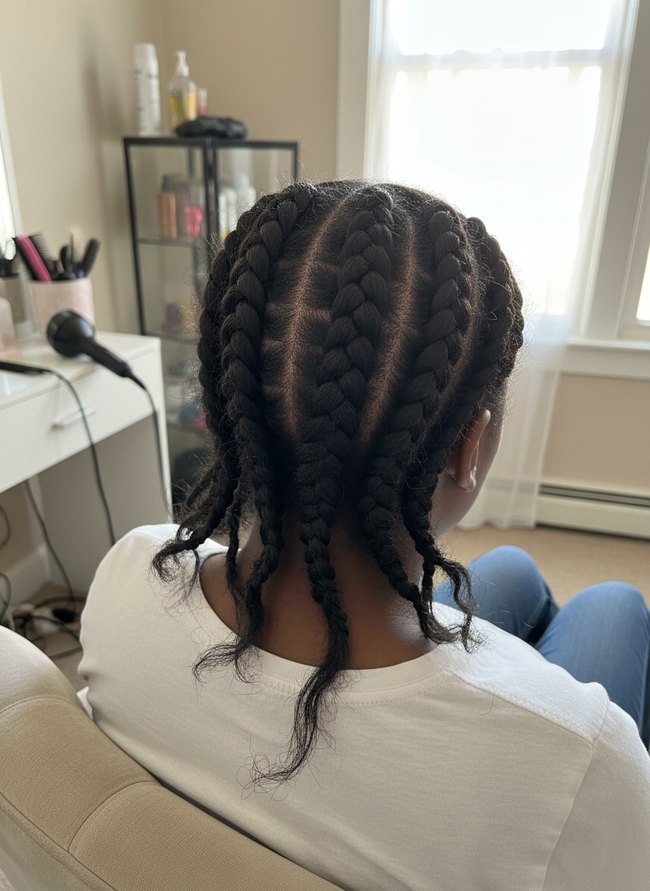
Dark braided hair shows visible scalp tension along the cornrow lines, especially near the forehead. The tight braids pull at the skin, creating red marks and bumps on the scalp. Cornrows should always feel comfortable without painful pulling.
2. Uneven Braid Pattern
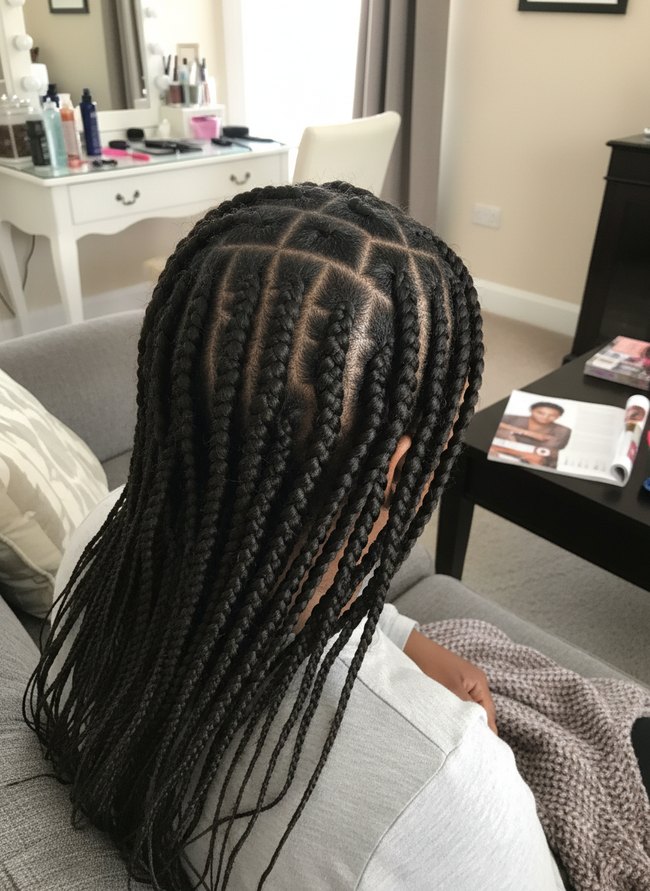
Small, dark braids on the person’s head show varied sizes and shapes in the neat parting lines. Square sections on the crown are much bigger than others on the sides, creating an uneven cornrow pattern. Hair sections should always be similar in size for a balanced look.
3. Product Buildup Residue
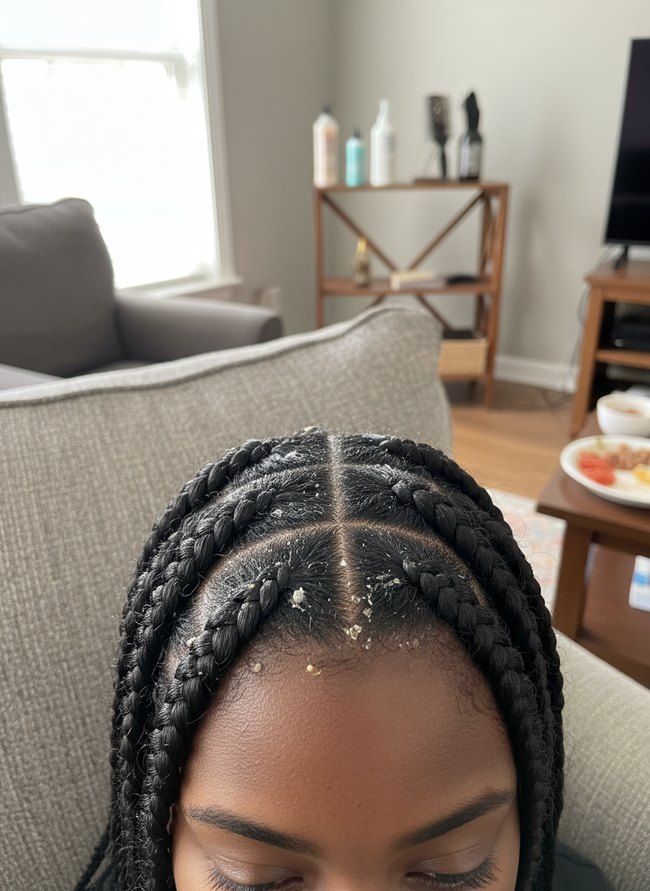
White flakes of product residue cling to the dark braided cornrows and part lines. Heavy buildup causes irritation and can clog the scalp. Always use light products when styling hair.
4. Improper Sectioning Width
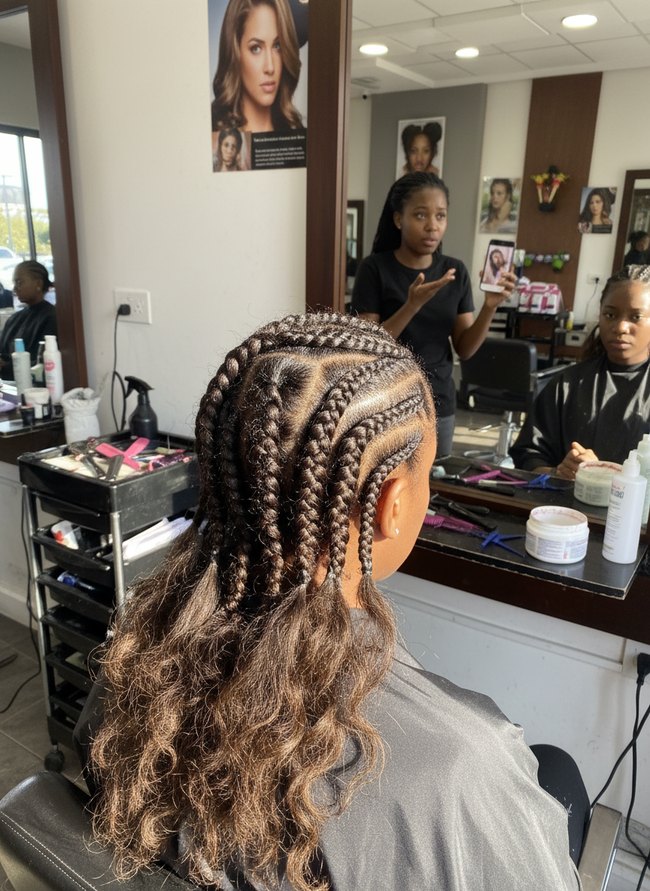
Dark brown cornrows show inconsistent widths and uneven tension across the scalp. Several braids appear thin, while others are noticeably thicker, creating an unbalanced pattern. Consistent, even sections ensure strong, healthy cornrows.
5. Inconsistent Braid Pressure
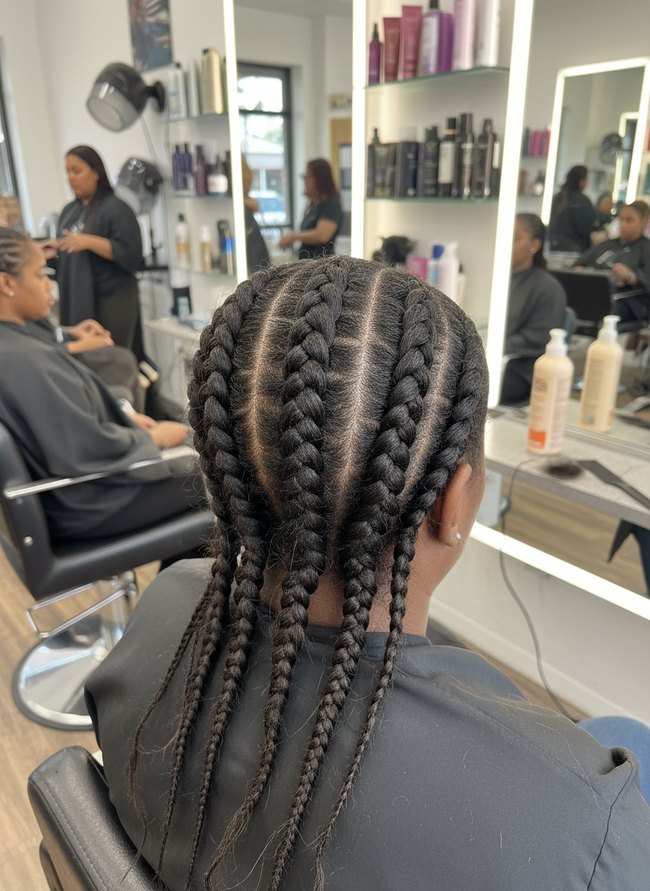
Loose black braids show uneven tension where they leave the scalp. The cornrow mistakes here feature some braids pulling tightly, while others hang with less pressure, causing discomfort. Braiding each strand of hair requires a steady, gentle hand to avoid uneven pulling.
6. Neglected Scalp Preparation
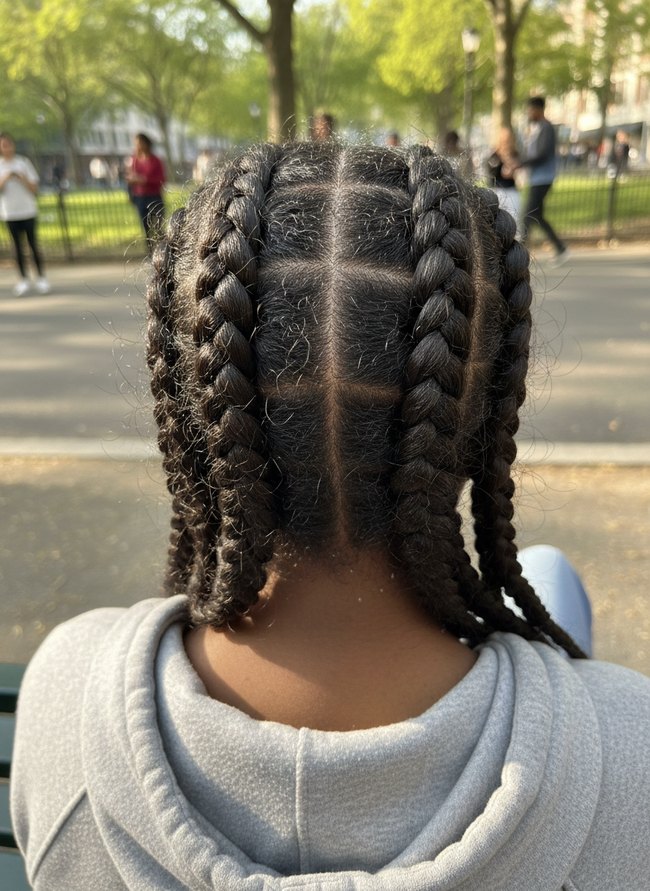
Dark cornrows show loose hair strands and white flakes on the scalp, pointing to dry skin. The scalp needs moisture before braiding to prevent tension and frizz. Always moisturize the entire scalp thoroughly before creating cornrow mistakes.
Why Does My Scalp Feel So Tight Even After Loosening The Braids?
Most people believe loosening the braid solves all scalp issues. Many home stylists tug at cornrows hoping to relieve pressure. A tight braid near your hairline still pulls. That tiny knot of hair at the base of each cornrow causes problems.
You must address the root of the issue. Many stylists pull hair too taut against the scalp during the initial braid construction. This creates invisible, painful stress points even with a slightly looser final braid. A gentle hand during the braiding process prevents much discomfort.
Folks often grab hair in big sections, then try to smooth it down. A smaller section of hair lets you control tension better. Use a metal rattail comb to divide hair into clean, half-inch rows before you start. This careful partitioning prevents accidental tugging on neighboring follicles.
Many people also neglect scalp preparation. A dry scalp has less give. Using a light hair oil, like golden jojoba, before braiding adds a protective barrier. Massage a pea-sized amount directly onto your scalp. This simple step can prevent much future soreness.
Aftercare also plays a role. Most stylists just tie their hair down and go to bed. A silk pillowcase reduces friction on your delicate strands. This smooth fabric prevents tiny hairs from catching and pulling during sleep. Always protect your cornrows at night.
My Cornrows Look Great At First, But They’re Frizzy By Day Two – What Am I Doing Wrong?
Many people think tight braids stop frizz. Hair pulled too tight causes tiny hairs to break free. Those broken hairs create a fuzzy halo, a cottony halo around your dark cornrows. Loose, gentle braiding prevents this hair damage. Each cornrow needs a gentle hand, not a strong tug.
Some believe a fresh wash and dry is enough. Wet hair actually stretches. Wet strands shrink back when dry, loosening the braid. Braiding damp hair makes shiny, sleek cornrows. Your textured hair benefits from slight moisture.
Most people skip product application. Dry hair gets frizzy fast. A lightweight gel or mousse locks individual strands. This clear product forms a soft barrier, holding your small braids in place. Apply a dime-sized amount of product to each section before braiding.
Lots of folks finish and forget. Satin bonnets are not optional. A smooth bonnet protects your cornrows from rough pillowcases. This silky fabric prevents friction, keeping your neat pattern intact. Wear a black satin bonnet every night for lasting neatness.
Which Idea Will You Try First?
That’s 6 different takes on cornrow mistakes. The best ideas above are usually the smallest moves — one material, one layout shift, one piece of furniture in the right place. Pick whichever room feels closest to your space and start there before tackling the rest.
Found an idea worth keeping? Save this post to your Pinterest board so it’s waiting for you when you’re ready to start your own project.
Leave a Reply