Fresh locs change a wearer’s entire vibe. Most people jump right into a new style, then get confused by the long-term upkeep. Growing thick, healthy hair takes actual work and consistent care. The guide will walk you through starting locs for beginners, step by step. The guide covers everything from your first palm roll to routine washes. You can choose from various methods to get those initial coils. The guide even talks about what to expect after several months, as your dark brown hair grows out. The is your personal roadmap.
1. Starter Braids Loc Method
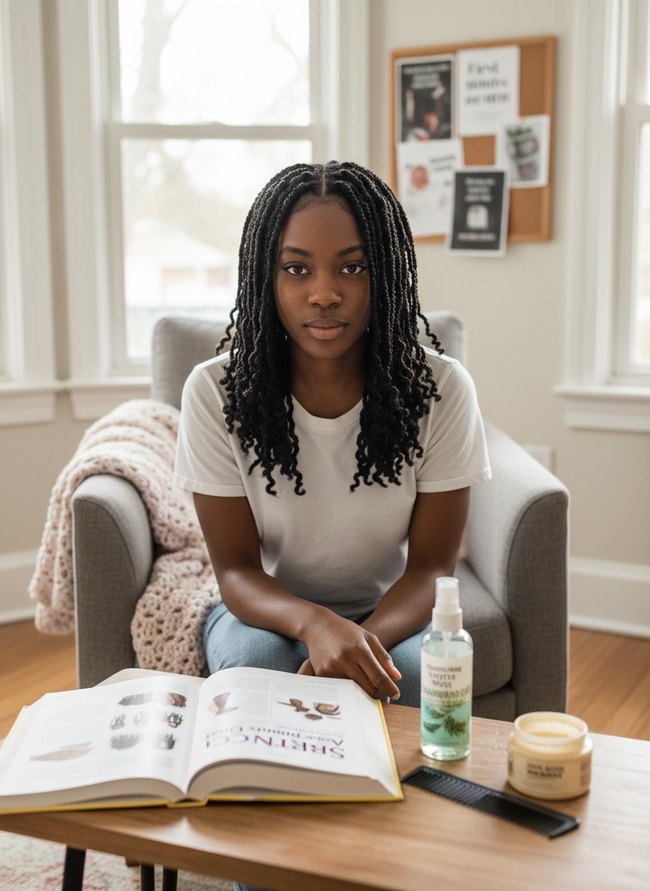
The person’s dark locs show neat, consistent braids from the scalp down to the ends. New locs can be started by creating small, tight braids. Keep the braids firm and even for a good foundation.
2. Two-Strand Twist Locs
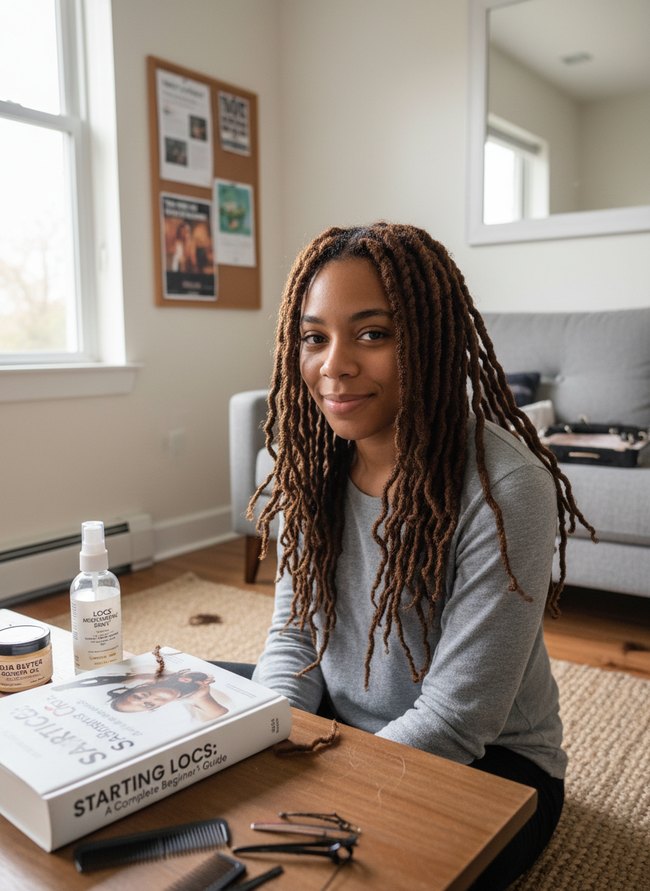
Long, brown locs cascade over the woman’s shoulders, showing the texture of two-strand twist locs. Hair stylists create these locs by twisting two sections of hair around each other. A moisturizing spray and a wide-tooth comb keep the locs neat and healthy.
3. Coil Method Loc Starts
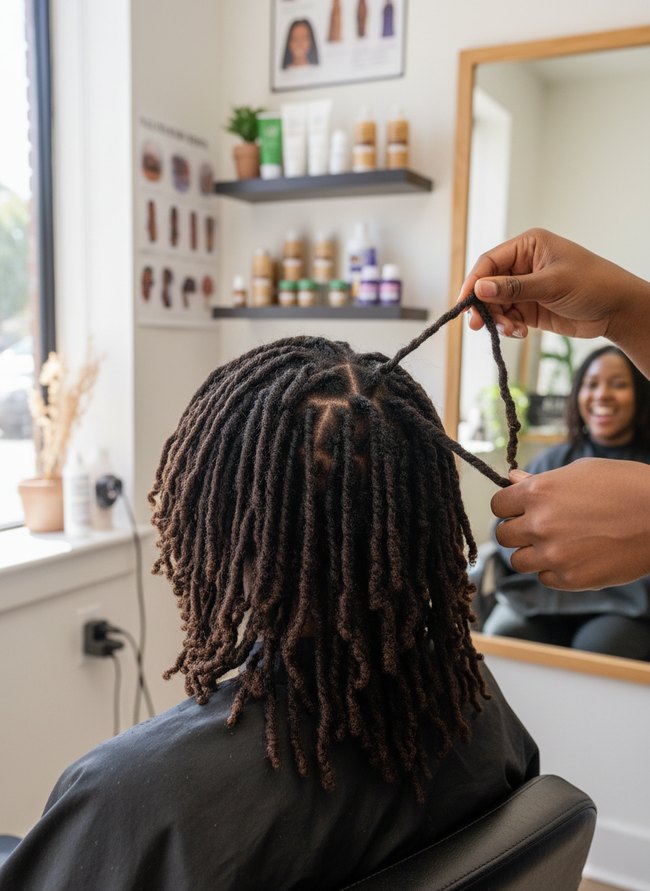
Dark brown coiled locs cascade down the wearer’s back, each one a neat, distinct rope of hair, showing the careful sectioning of the coil method. A stylist’s dark hands gently twist two new locs together at the crown, demonstrating the starting process for beginners. Hair must be clean and fully detangled before beginning the coiling process.
4. Interlocking Beginner Locs

The young woman’s dark brown locs feature neat square parts with a clear middle line. Locs for beginners will look like these when you interlock new growth at the roots. Professional help for interlocking will keep the locs tidy.
5. Palm Roll Starter Locs
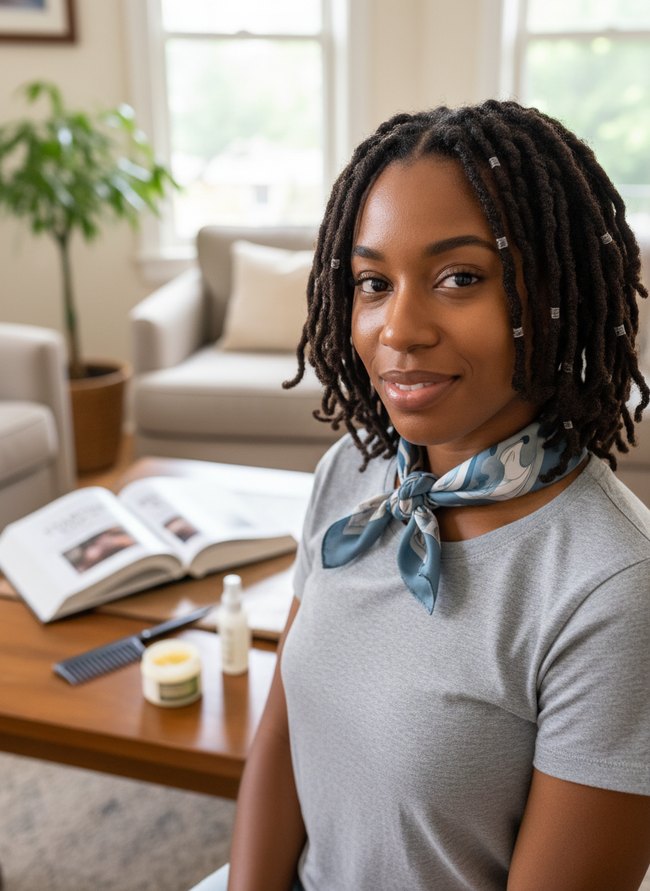
The woman’s neat, short locs show a fresh palm roll style, with small silver cuffs adding sparkle. Hair strands twist tightly with a thick loc gel, working from root to tip, to achieve this defined look. A wide-tooth comb avoids pulling hair.
6. Crochet Needle Initial Locs
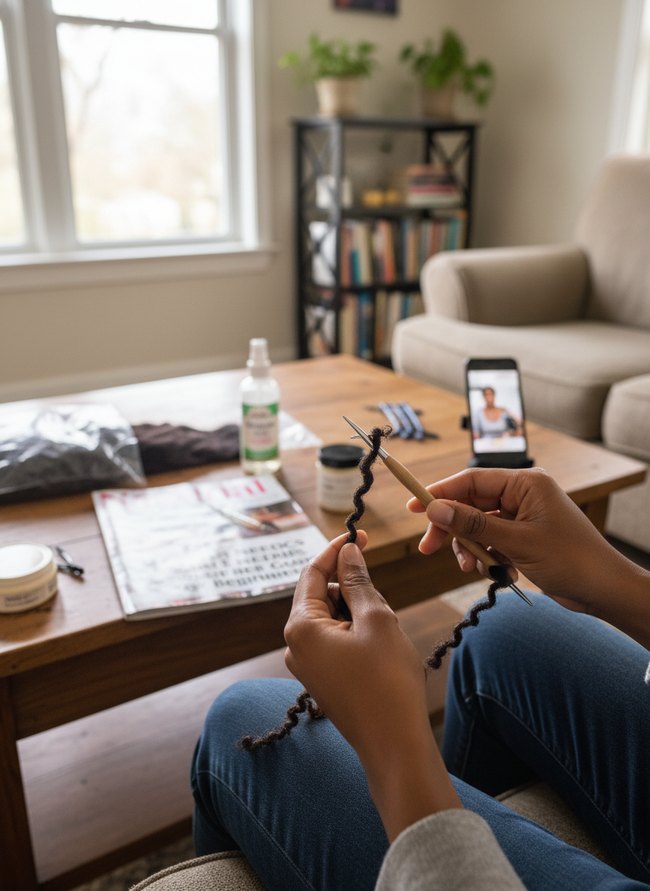
A person’s hands carefully work a sharp silver crochet needle into a dark brown hair strand. The method creates uniform locs for beginners, giving control over the final texture and thickness. Remember to practice on a small hair section first.
7. Micro Loc First Installation
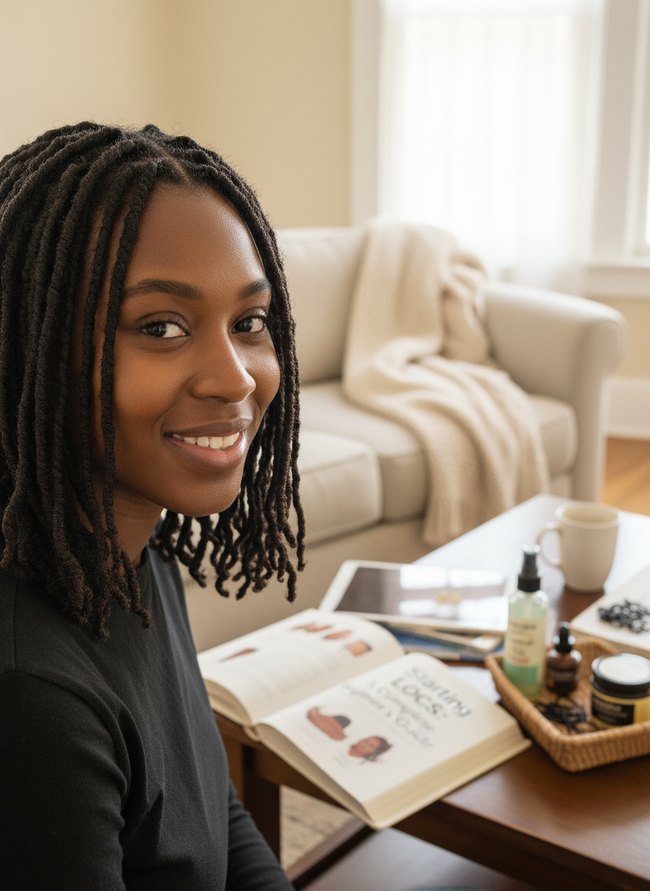
Neat, dark brown micro locs show a fresh installation with small, even sections. First locs for beginners installation requires careful sectioning and consistent twisting to create a uniform look. Avoid tight pulling at the roots to prevent discomfort.
8. Sisterlocks Early Stages
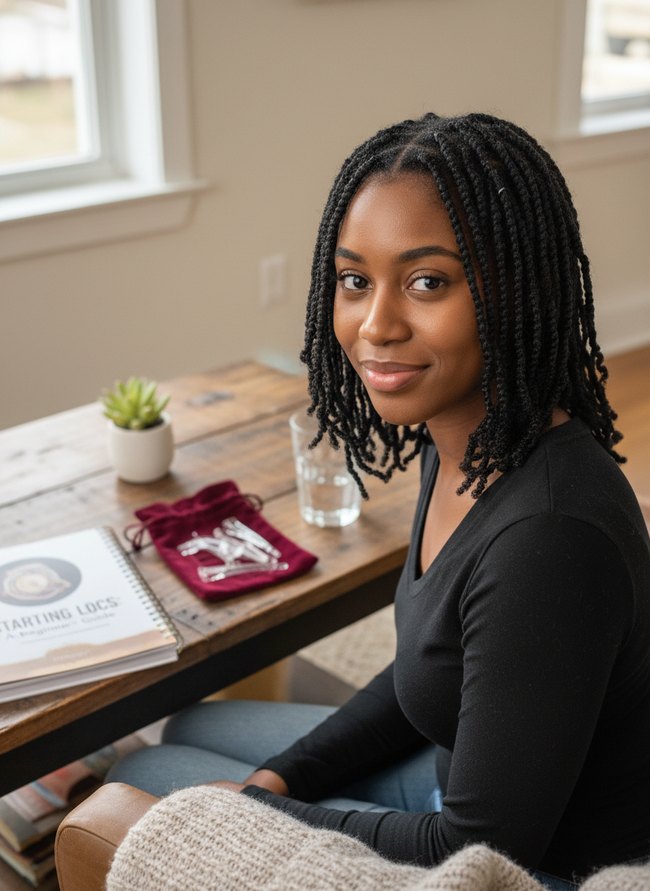
The woman’s dark Sisterlocks appear neat and tightly twisted, showing a fresh install with defined parts across her scalp. Sisterlocks are a tiny form of locs for beginners, created with a special tool that weaves small sections of hair into a consistent pattern. New locs will look like this in their early stages.
9. Freeform Journey Beginnings
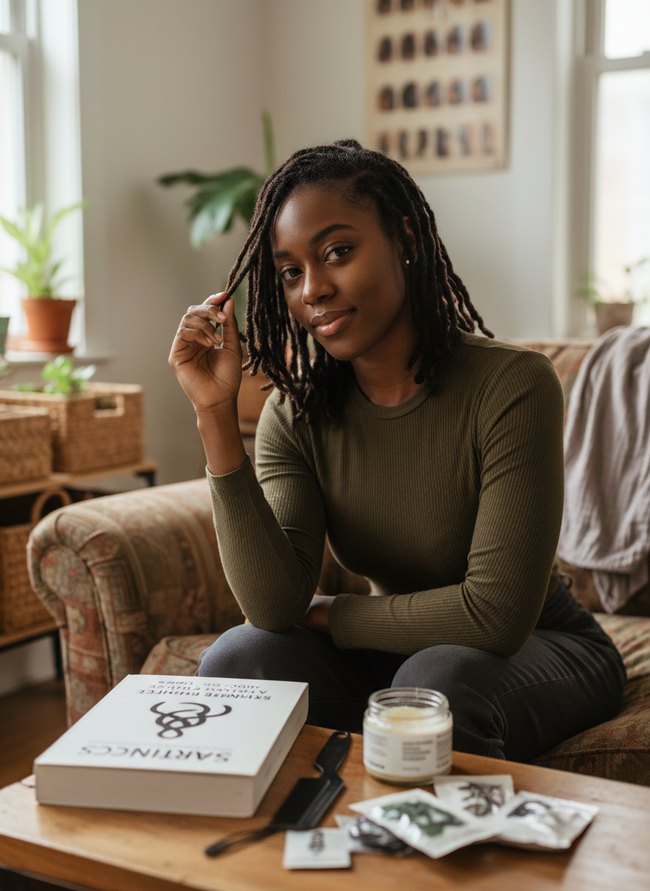
Dark brown locs tumble over the shoulders of a young woman sitting on a floral armchair. Freeform locs show natural growth and a relaxed texture, a great option for new loc wearers. Allow the locs to grow without much manipulation for a soft, organic look.
10. Temporary Faux Loc Style

The long, dark locs in the image show a temporary style. Faux locs, extensions braided into natural hair, create a similar look. Avoid pulling too tightly on your scalp to prevent damage to hair roots.
11. Wick Loc Foundation
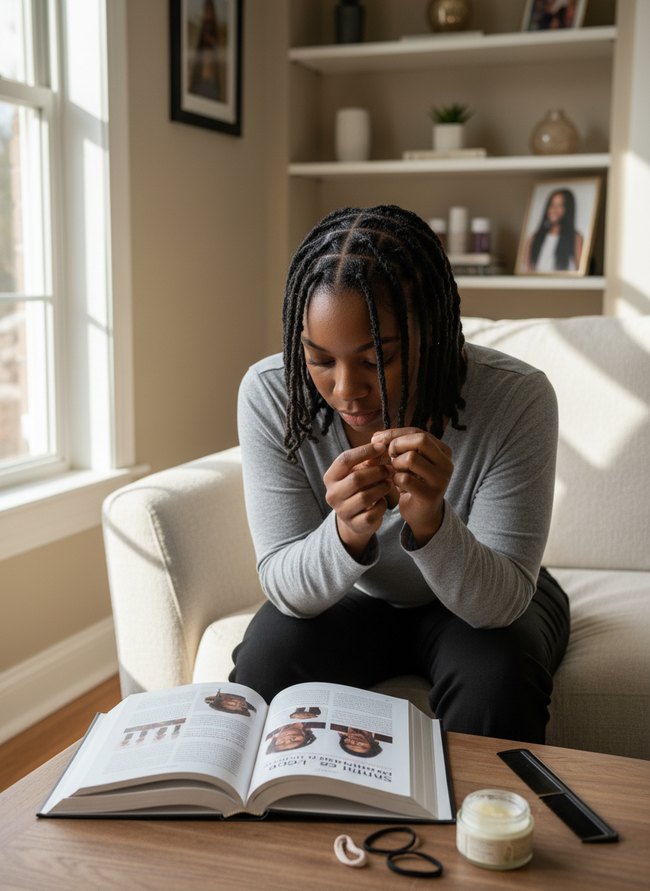
A woman with dark, textured hair gently twists a single loc between her fingers. Her hair features a grid of clean, square parts across the scalp, forming the foundation for the wick locs. To create similar locs, you will need to section your hair neatly and apply a firm twisting motion to each individual section. Keep your hair moisturized to prevent breakage.
12. Cultivated Dreads Establishment

The woman’s dark locs show a fresh, tight re-twist, neatly parted around her crown. The image demonstrates a professional touch for beginners considering cultivated dreads. New locs require an experienced loctician for proper sectioning and tension.
My Hair Isn’t Loctician-Perfect: Can I Still Get Great Locs at Home?
Many people think only salon-fresh hair can become solid locs. Your natural hair texture, though, handles the locking process just fine. Most folks try to force neat uniform rows with stiff parts. Instead, consider letting sections form organically. A small, metal hair pick gently separates new growth at the root. You will find your hair’s natural growth pattern creates unique sections. Plenty of beginners worry about fuzzy loose hairs. These little strands actually help the locs mature and bind together. A soft, silk scarf wraps your head nightly, protecting the young locs from friction. Some believe tight, early retwists make locs form faster. Actually, less manipulation helps your hair lock more strongly. Over-twisting can thin out the loc bases. Water, a simple, clear liquid, helps hair coil. You can mist your head daily with plain tap water. Do not apply heavy styling gels. Light, natural oils like golden jojoba penetrate the hair shaft deeply. Regular washing keeps your scalp healthy and clean. Clean hair locks much faster than dirty hair. A wide-toothed comb detangles new growth carefully. You can achieve truly great locs at home.
Help! My Locs Are Frizzy/Unraveling/Look Like a Mess! What Am I Doing Wrong?
Many people believe frizzy locs mean bad locs. Soft new growth shows up. Others think constant manipulation makes locs strong. You probably twist your hair too much, trying to smooth stray strands. That common action actually breaks delicate hair fibers. Over-twisting creates thin spots.
A better way involves gentle care. Leave your locs alone for weeks. Your scalp needs a rest between retwists. A light satin scarf protects your locs at night. This simple cloth reduces friction. Use a water-based rosewater spray for moisture, not heavy oils. Dense oils clog pores.
Some people rush into styles too soon. They pull their new locs into tight ponytails. Tight pulling stresses delicate roots. This force causes thinning edges. Give your hair time to mature. Wait for locs to firm up before styling. A solid anchor forms then.
Your washing habits also play a big role. Many beginners wash hair rarely, fearing unraveling. Dirty hair actually slows down the locking process. Clean hair locks faster. Use a clarifying shampoo with warm water. Rinse thoroughly.
Which Idea Will You Try First?
That’s 12 different takes on locs for beginners. The best ideas above are usually the smallest moves — one material, one layout shift, one piece of furniture in the right place. Pick whichever room feels closest to your space and start there before tackling the rest.
Found an idea worth keeping? Save this post to your Pinterest board so it’s waiting for you when you’re ready to start your own project.
Leave a Reply