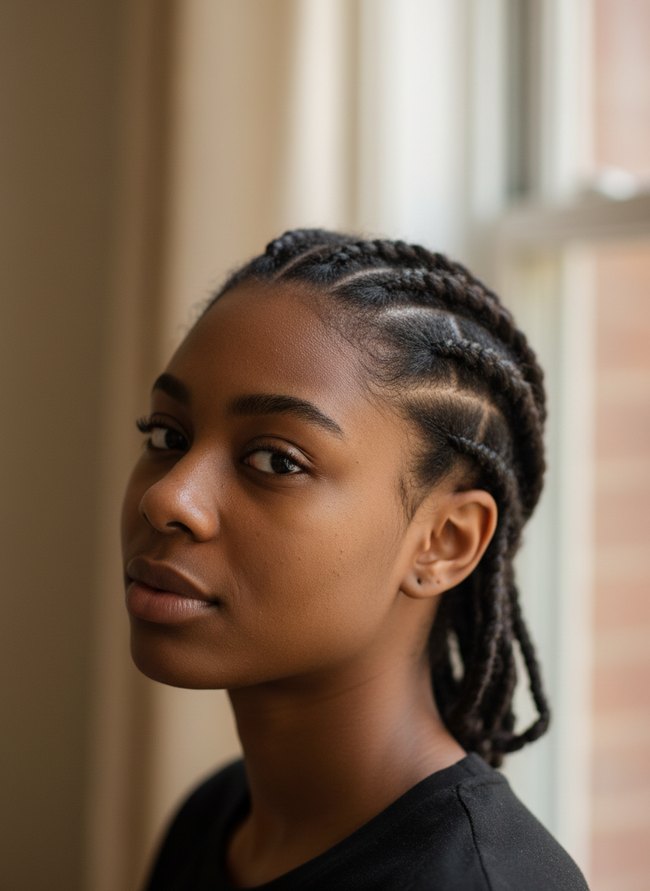
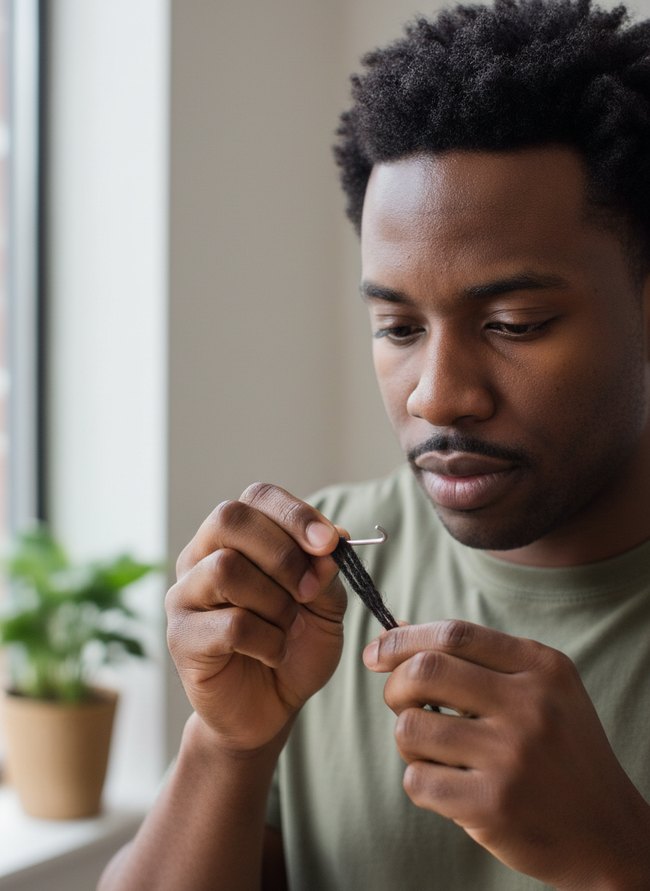
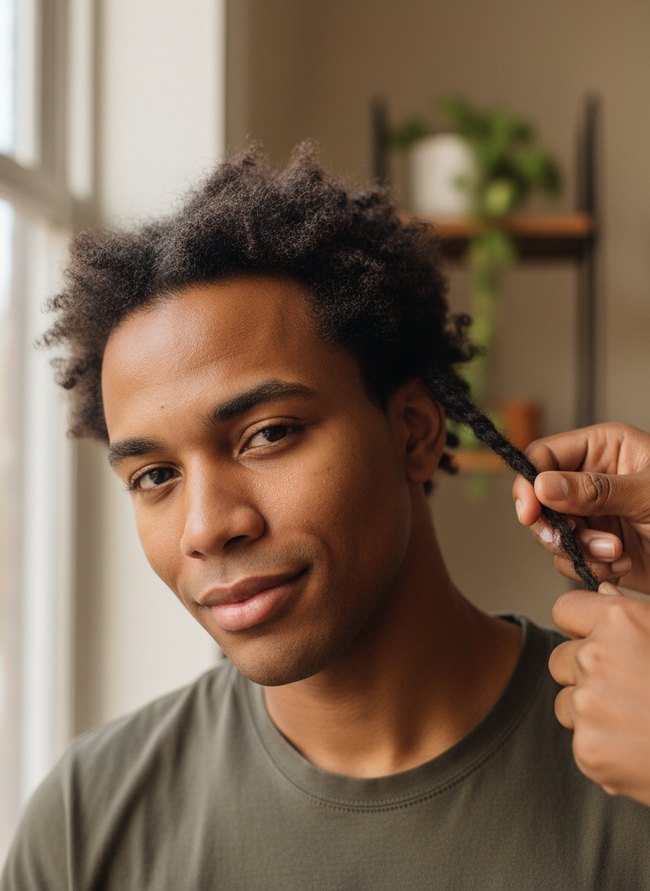
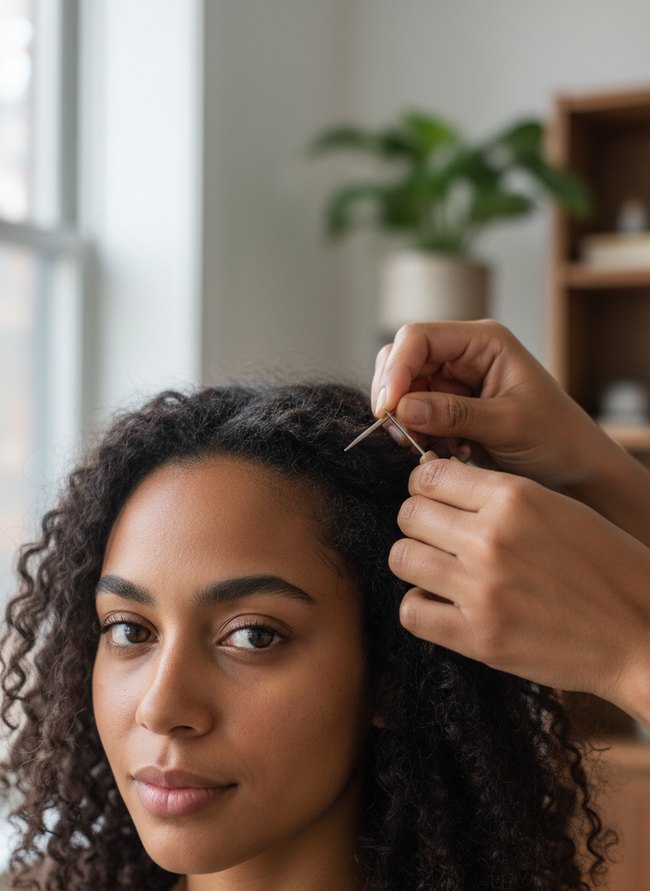
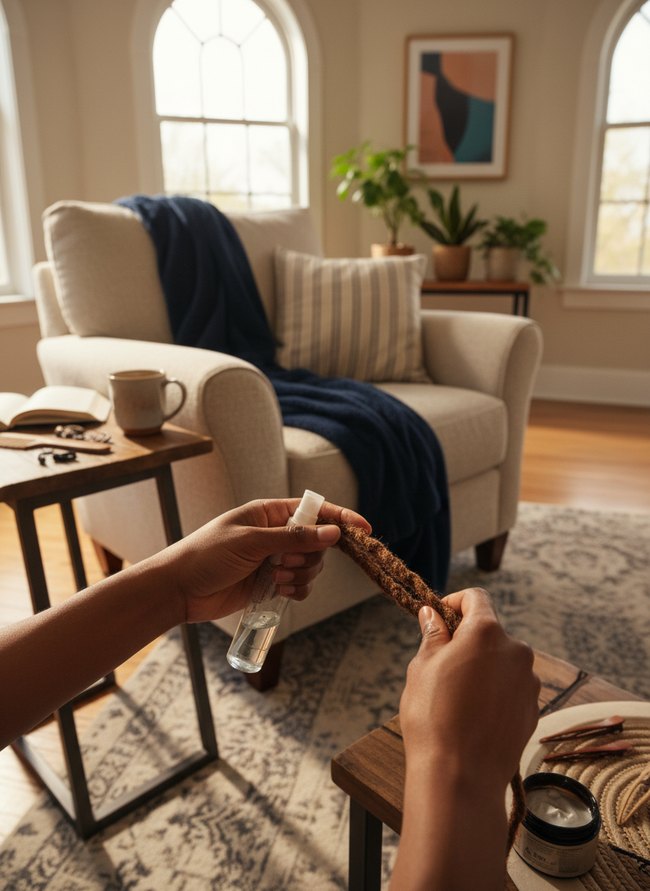
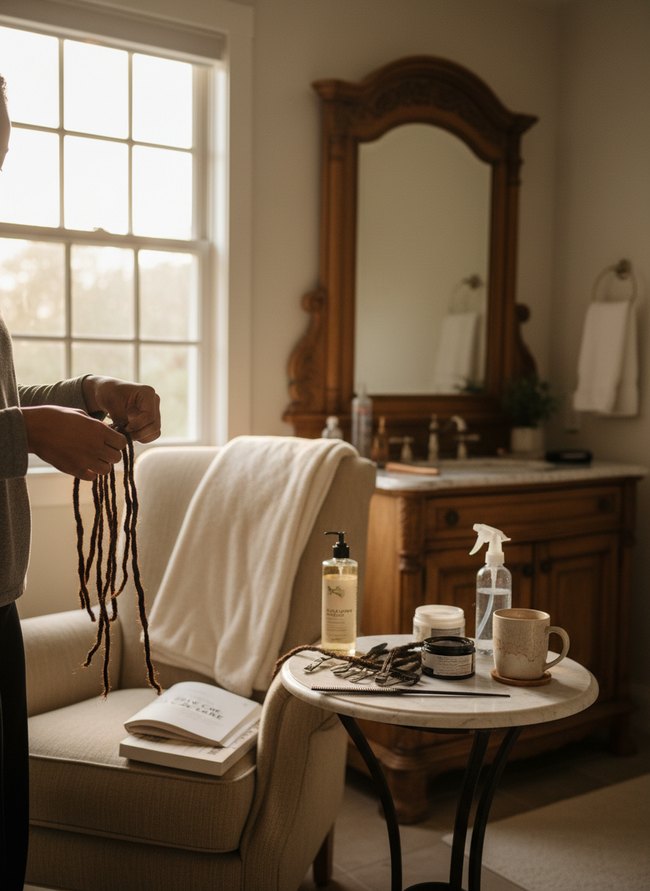
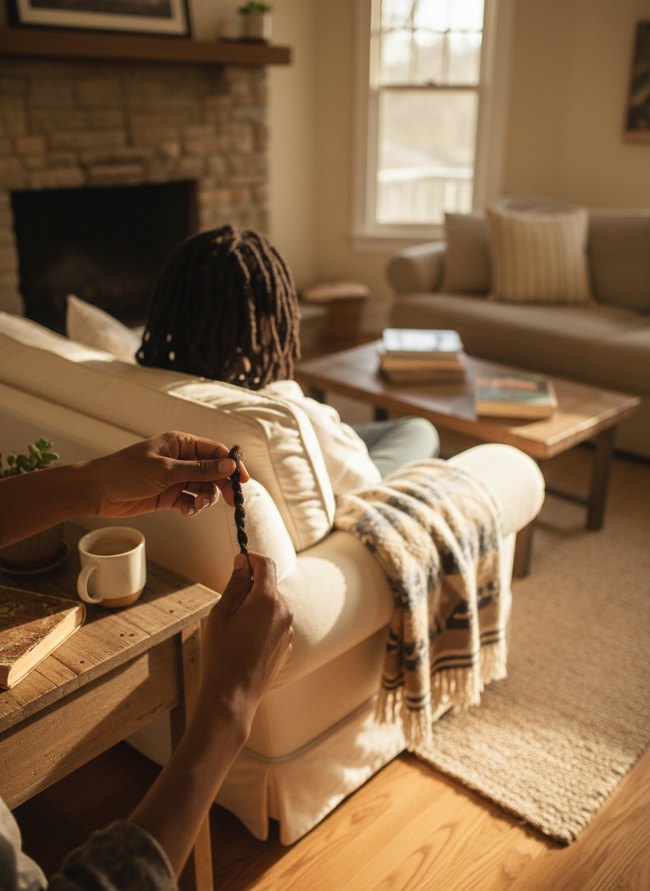
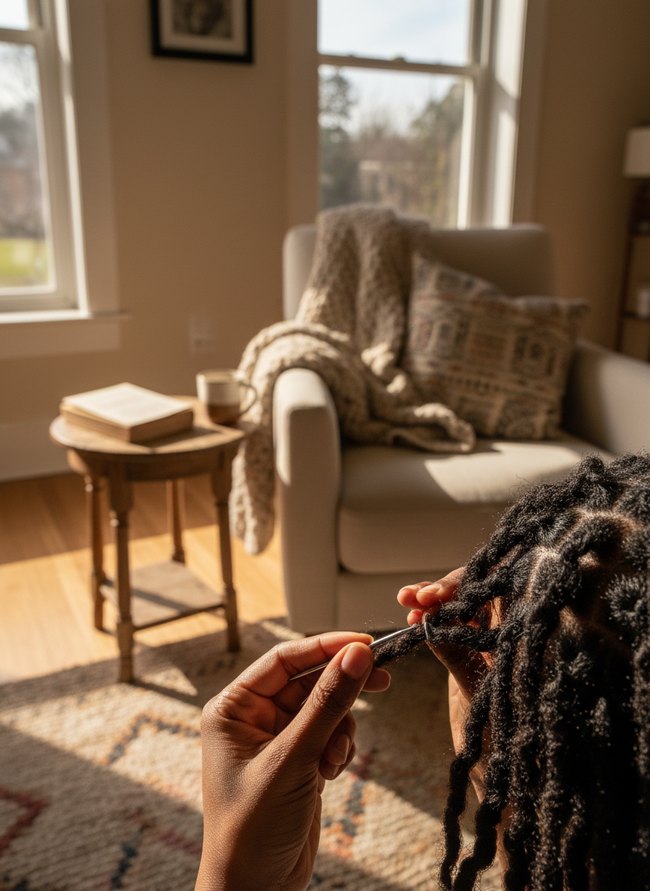
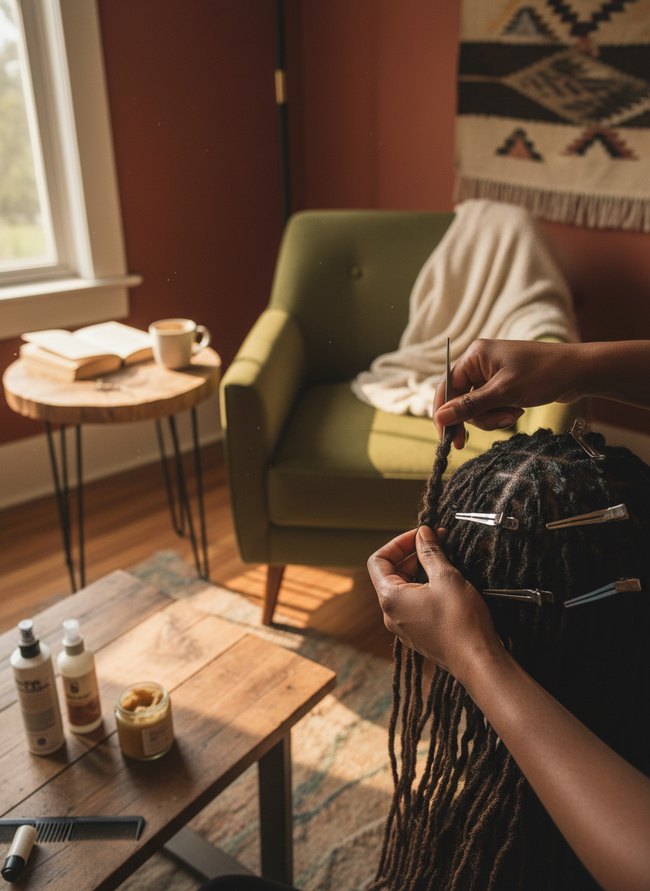
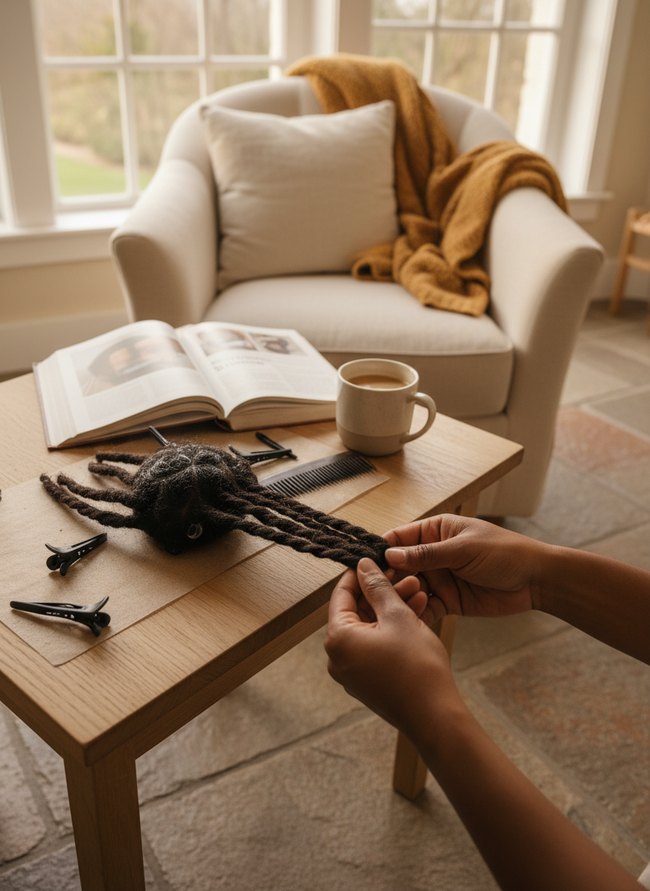
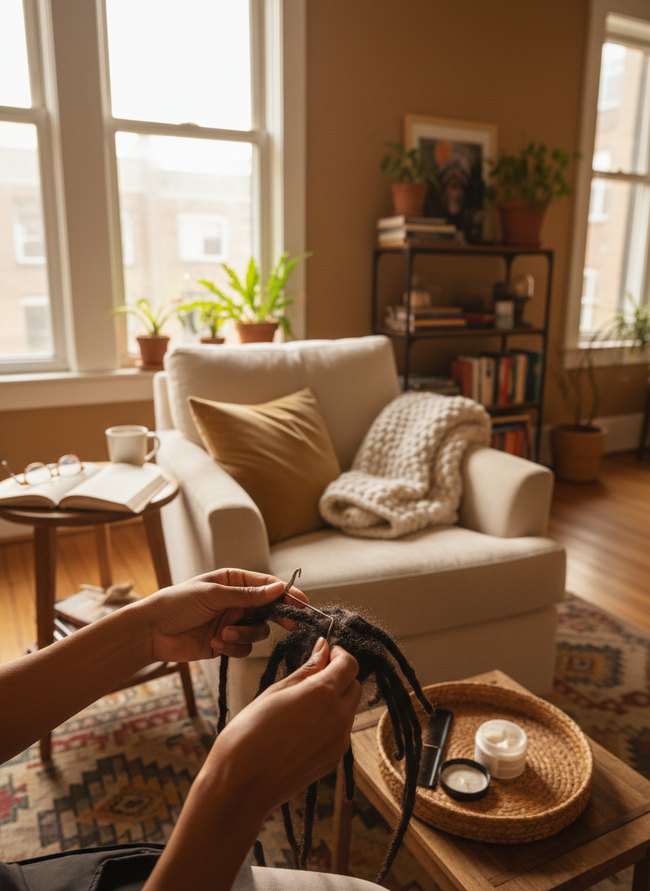
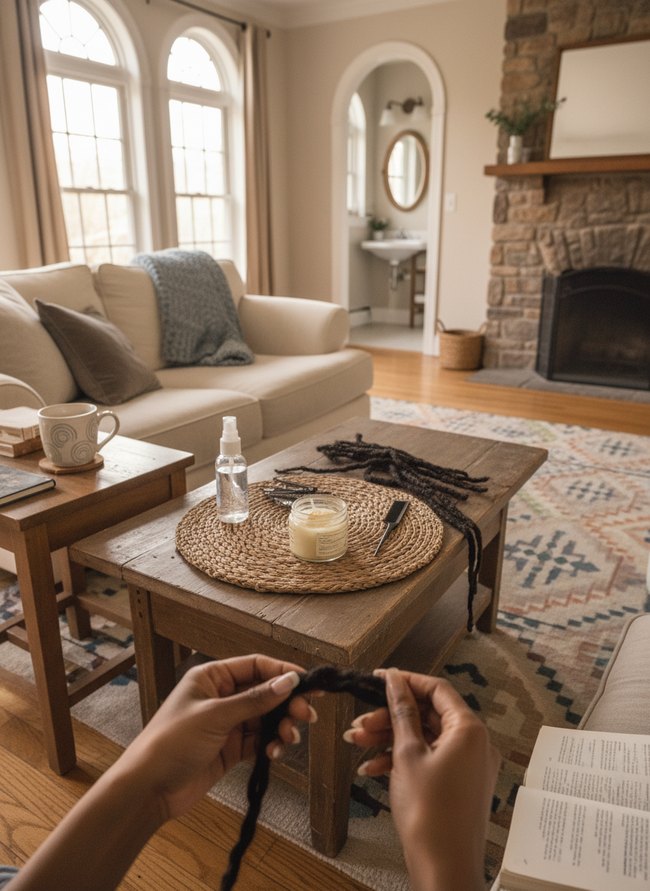
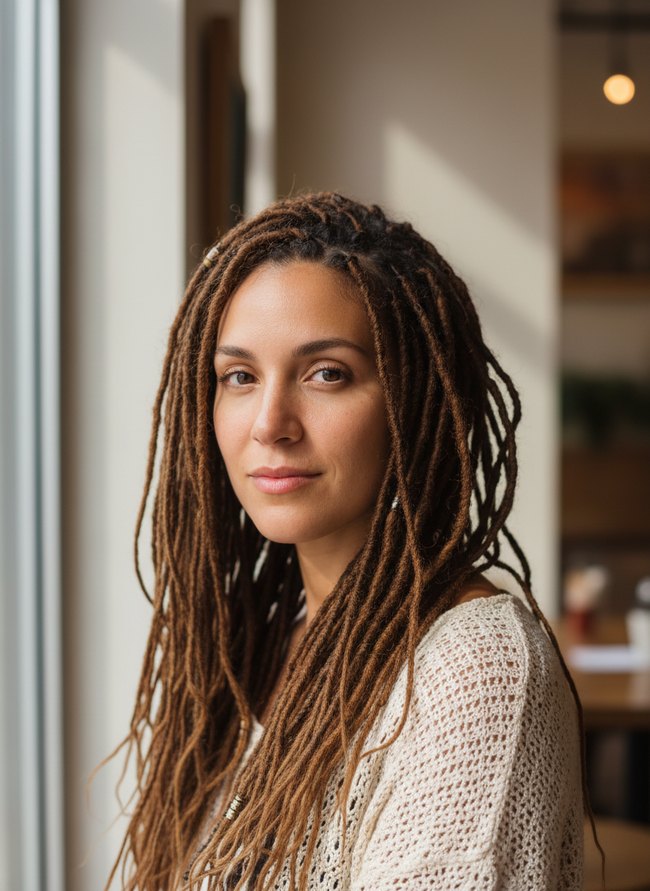
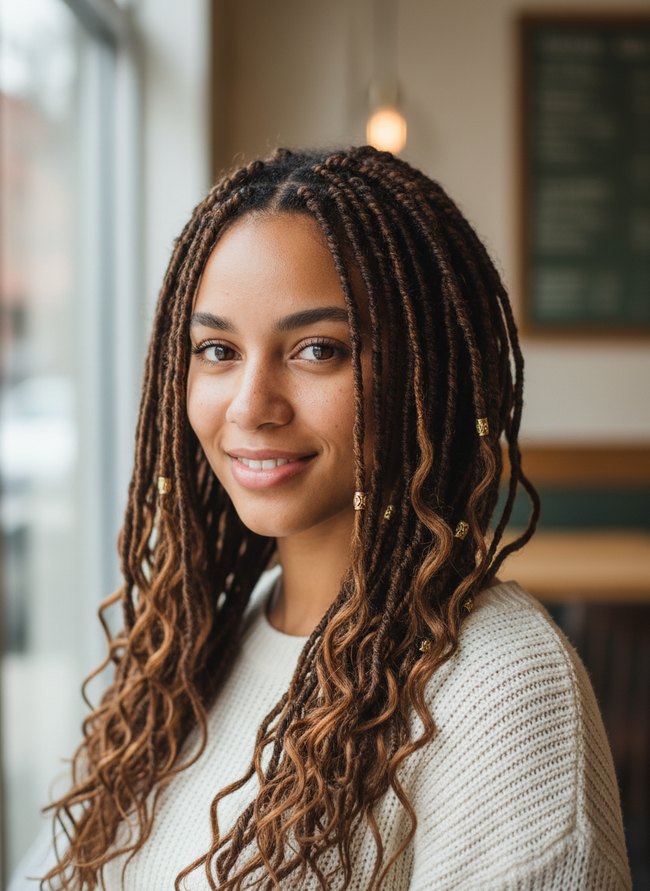
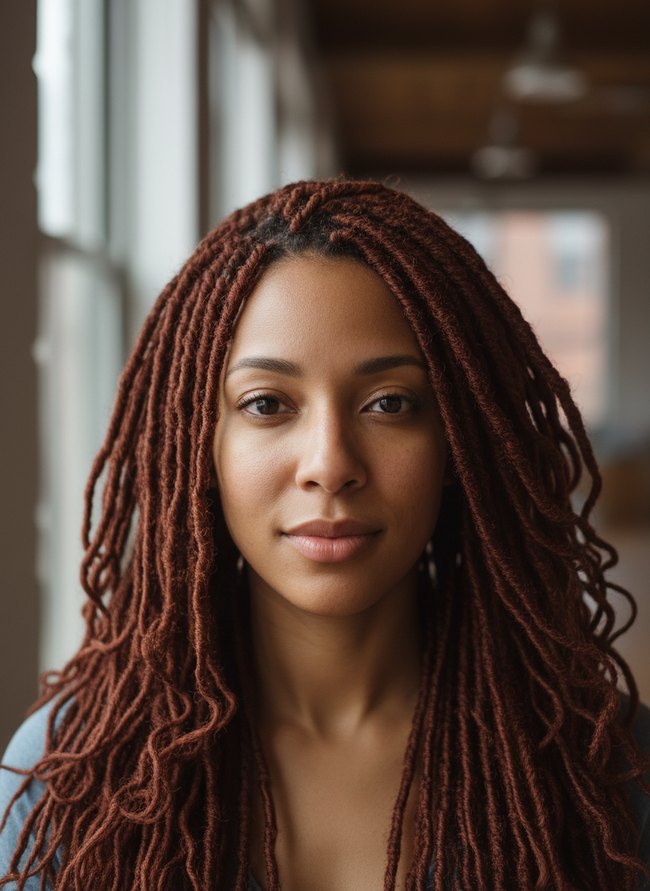
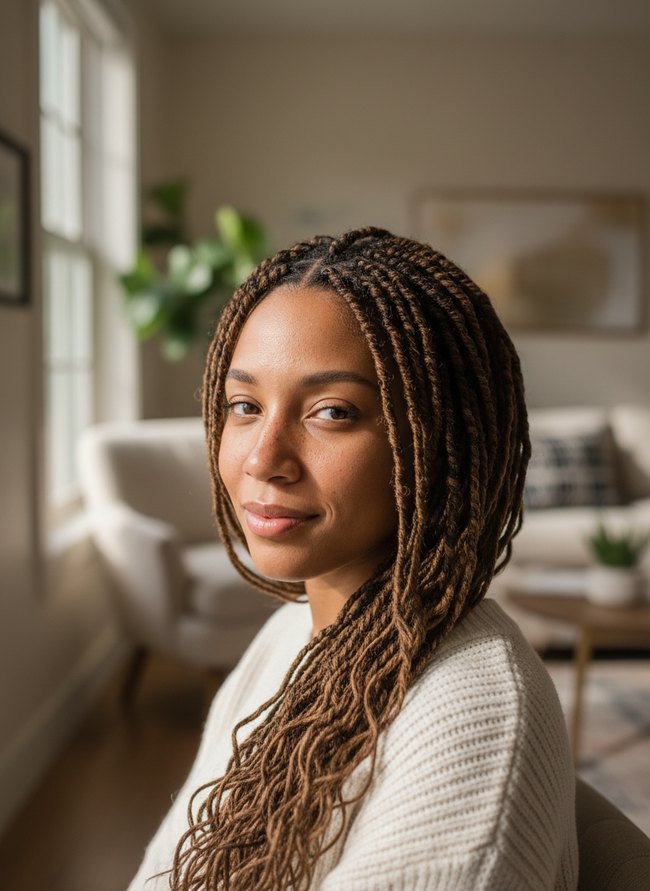
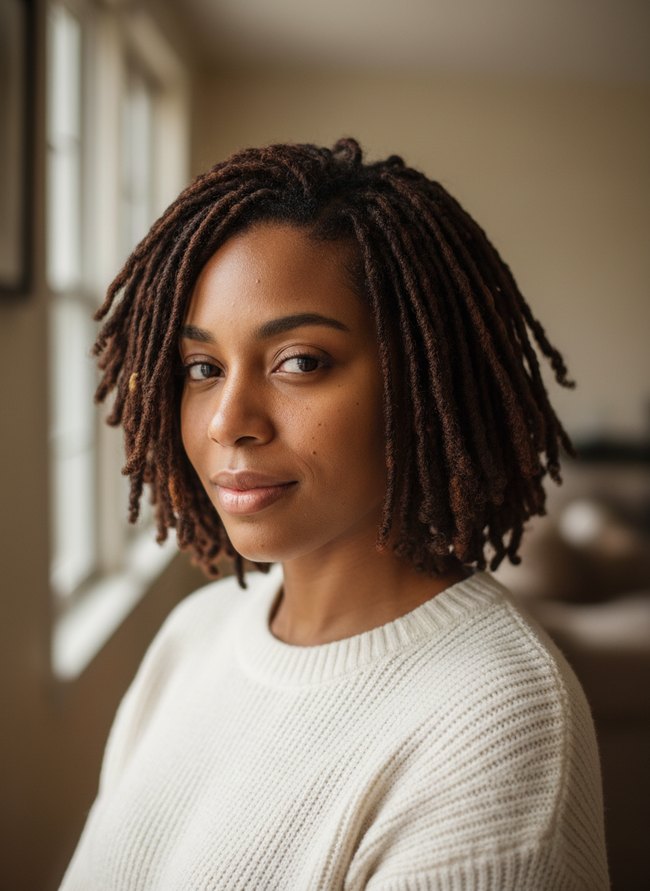
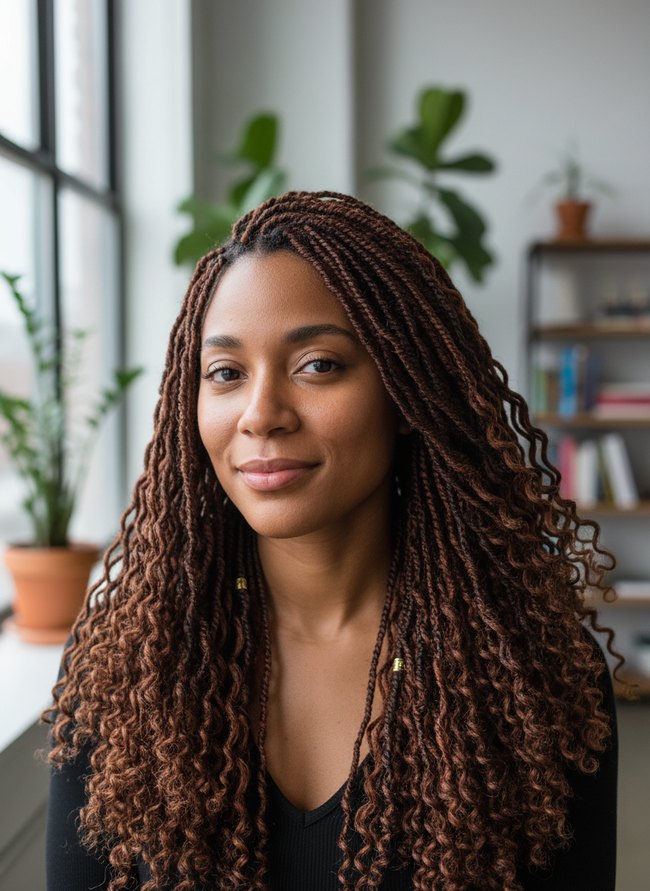
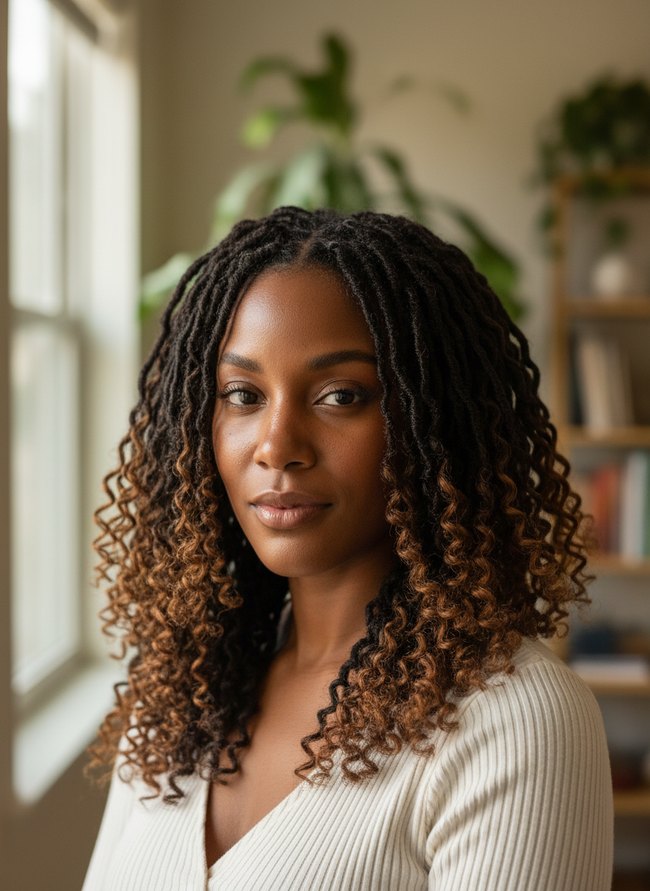
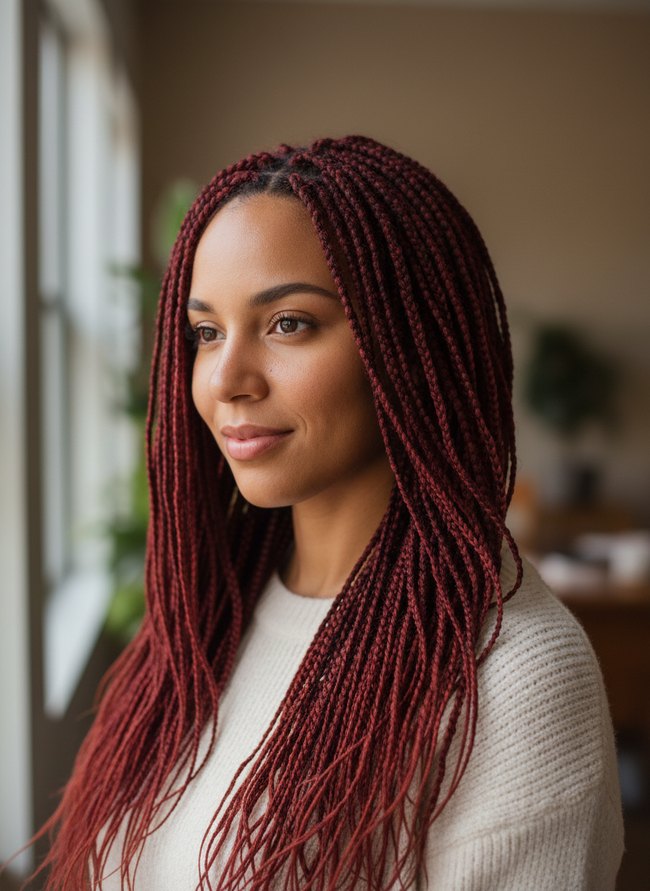
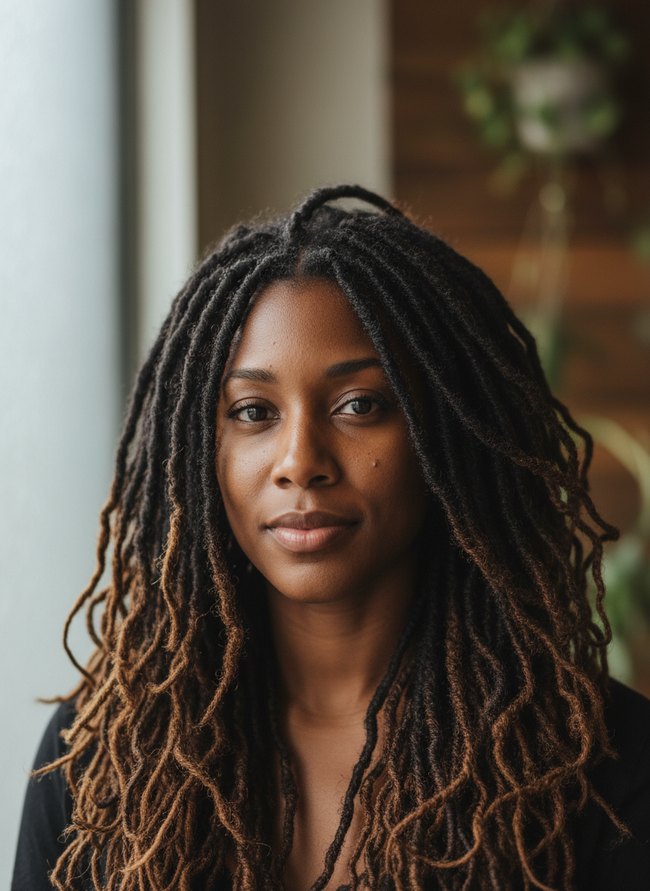
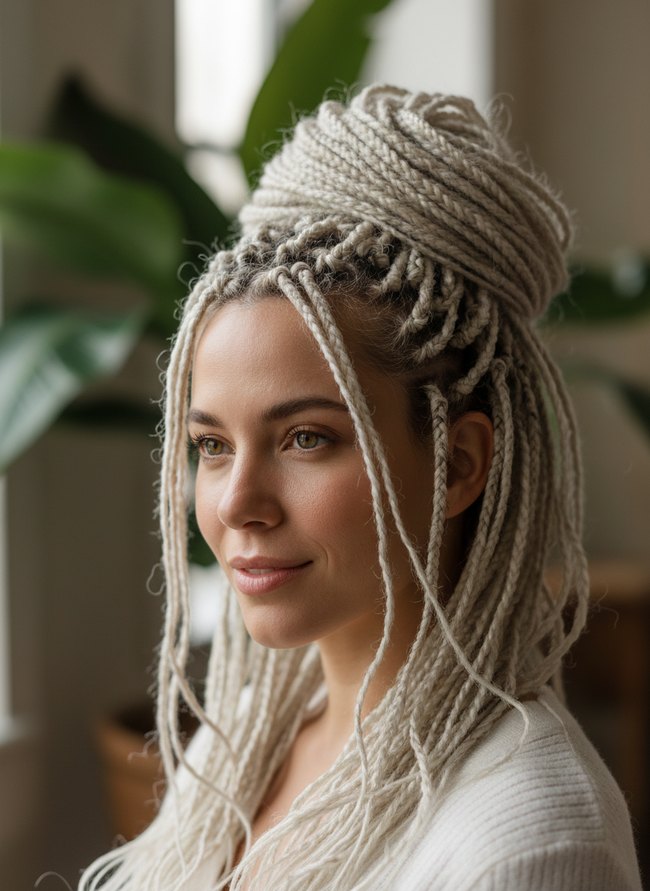
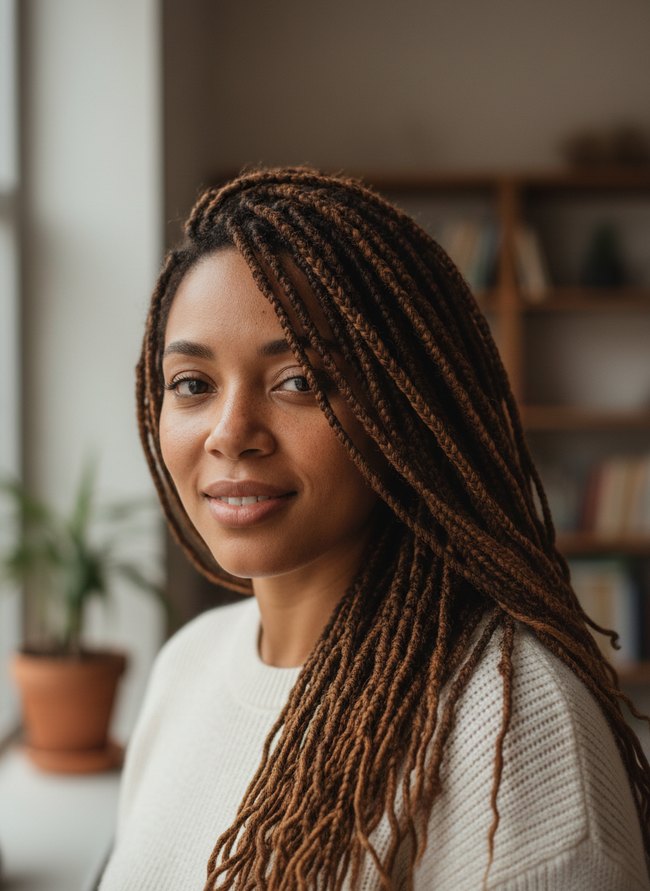
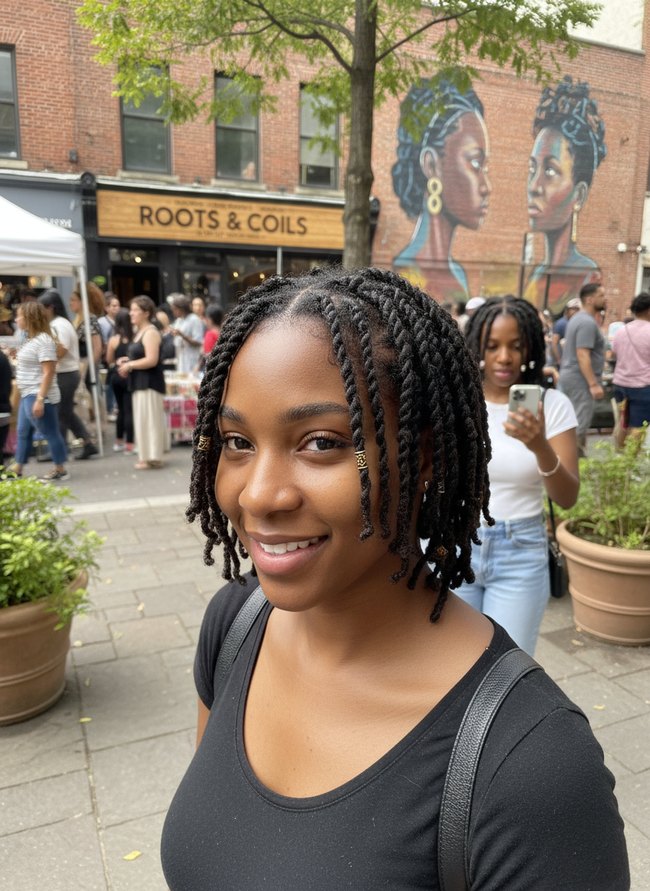
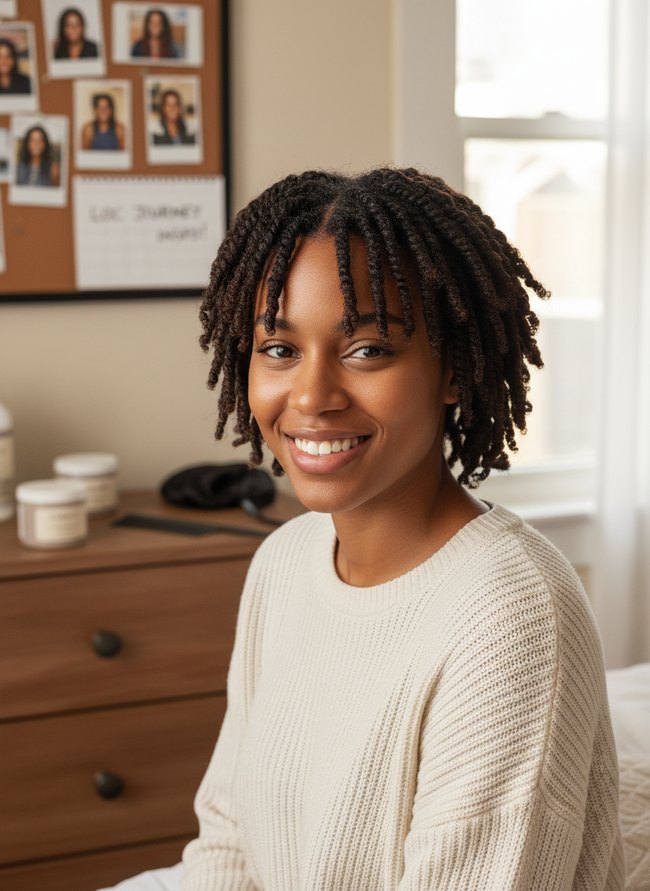
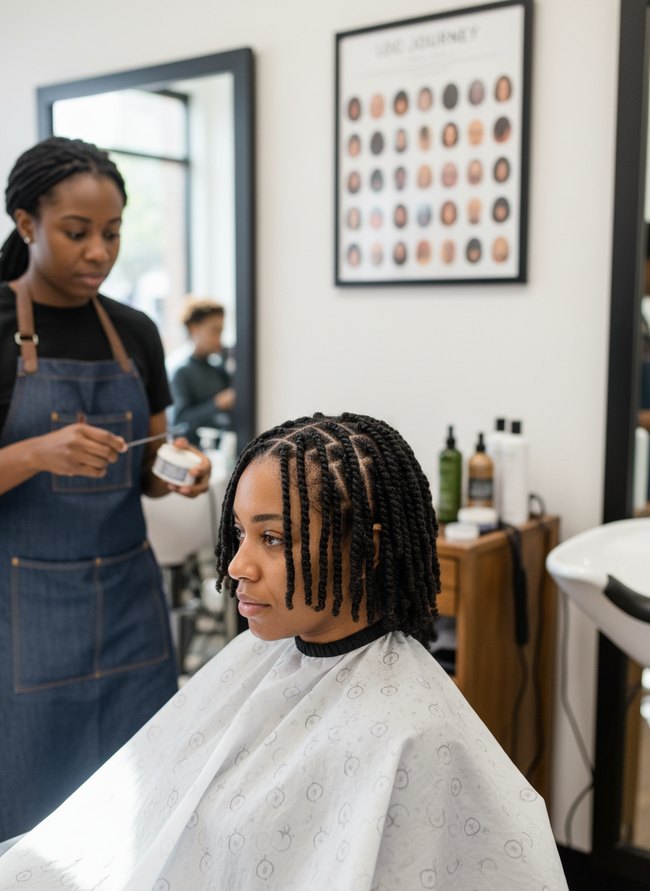
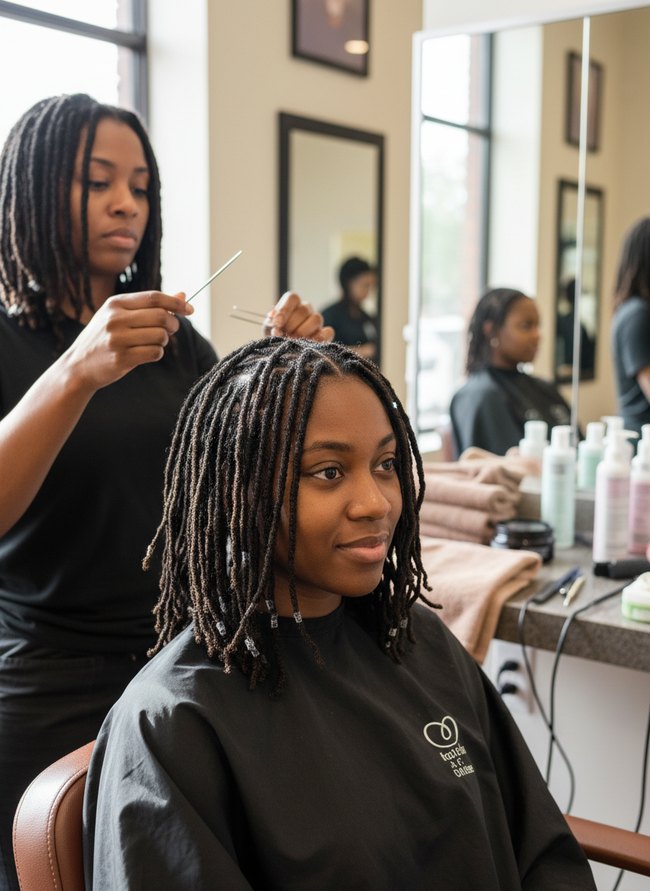
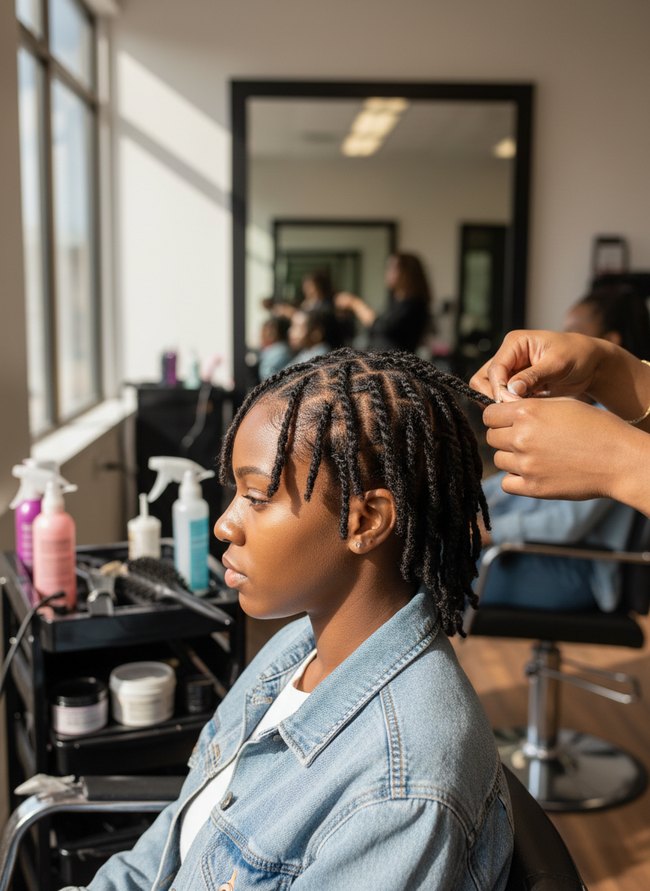
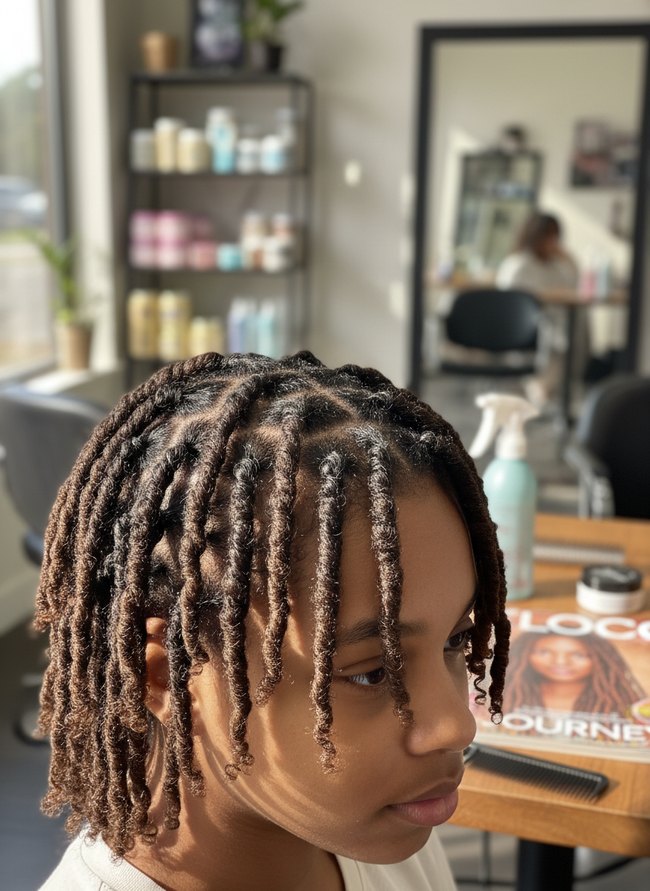
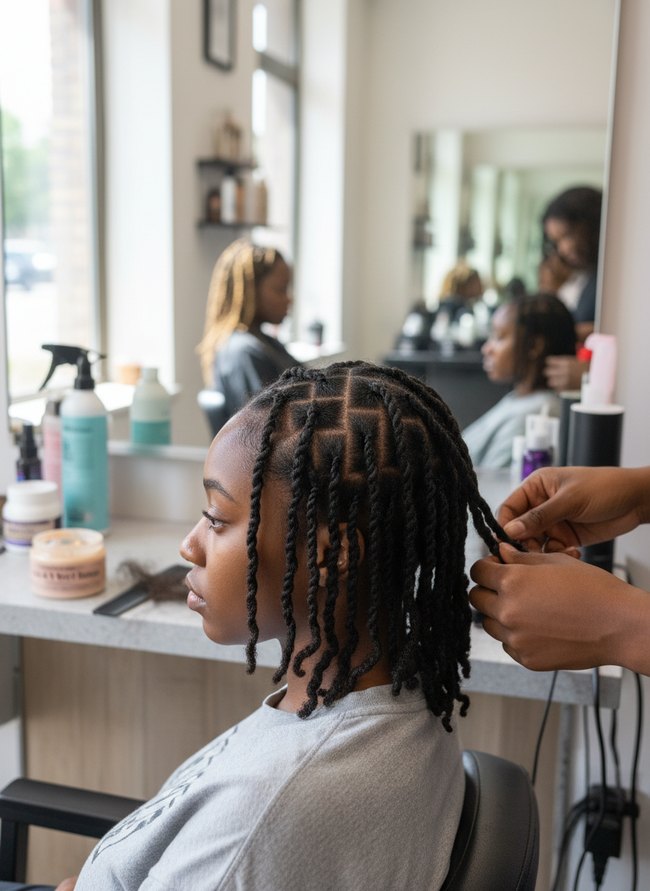
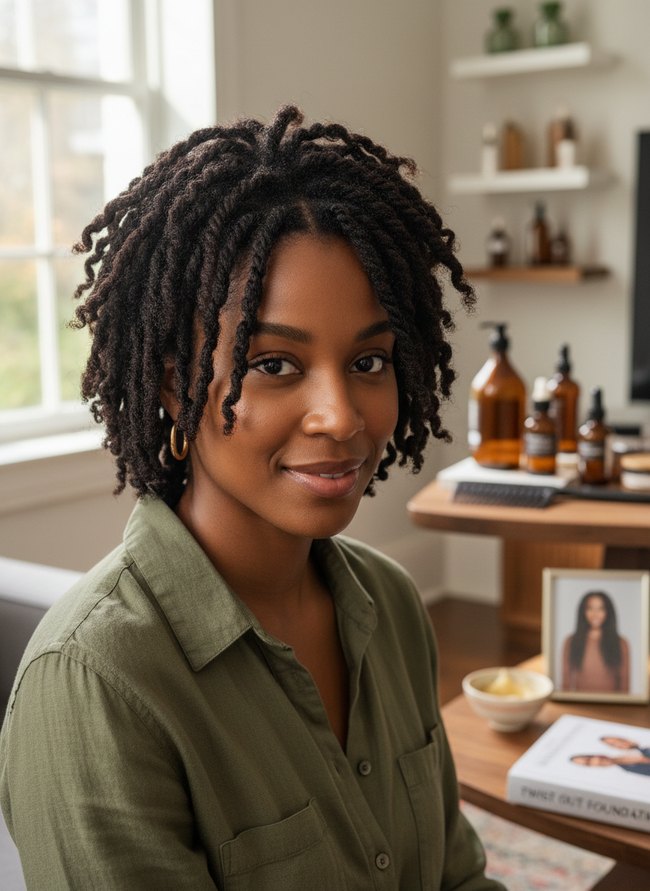
Short locs might feel fixed on your head, like tiny dark ropes. Most folks think a shorter length means fewer options for a fresh look. A good style can change everything, making the small locs appear much longer or add serious volume. You are not stuck with one plain look. We have five solid ways to make textured locs pop, transforming your whole vibe without much effort. Each method brings a new angle to your everyday hair, giving you more than just a basic twist. The short twists you rock daily can get a real upgrade with just a little thought and some quick hand movements. The quick tips will help you figure out how to style short locs with zero fuss.
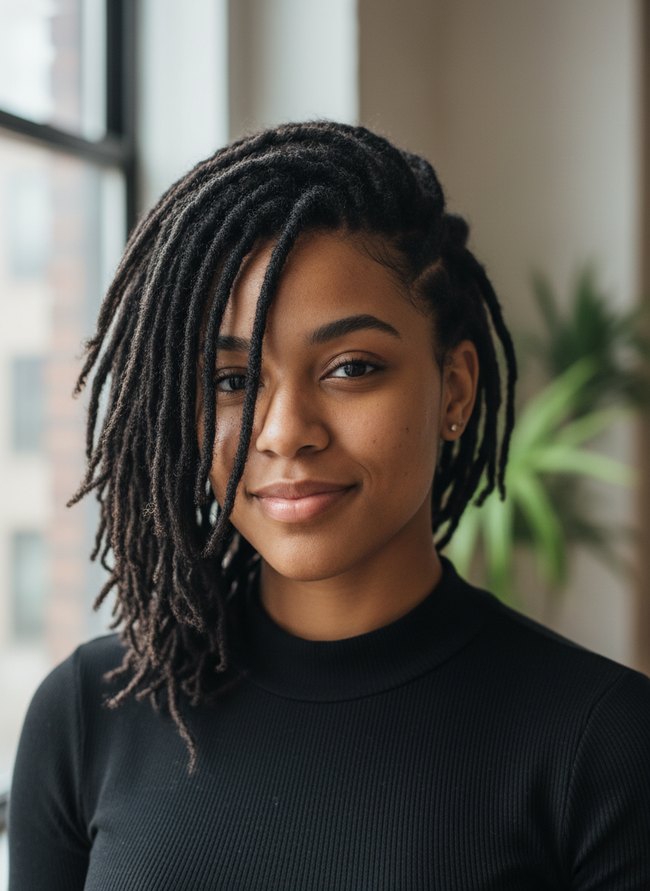
1. Twisted Loc Side Part
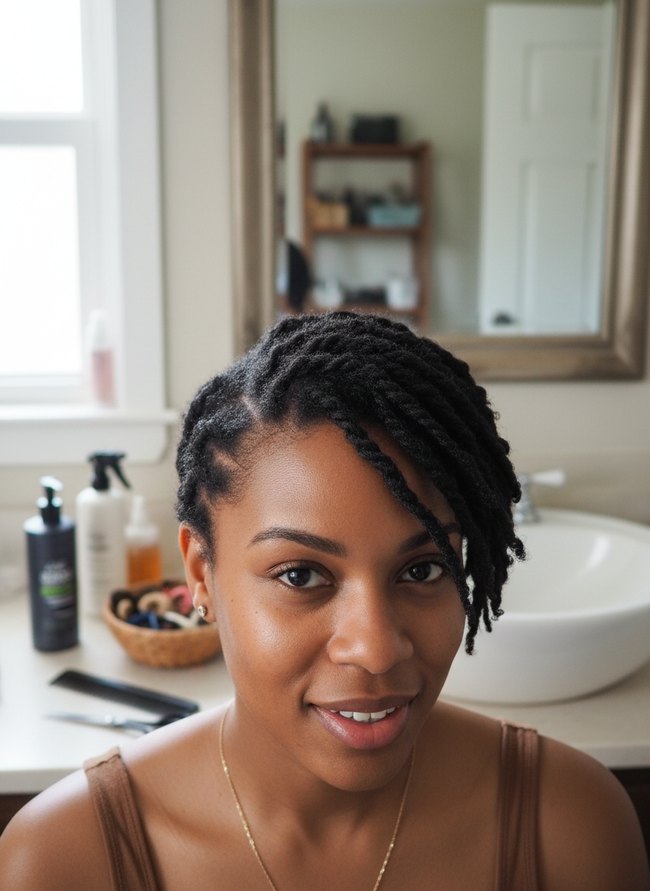
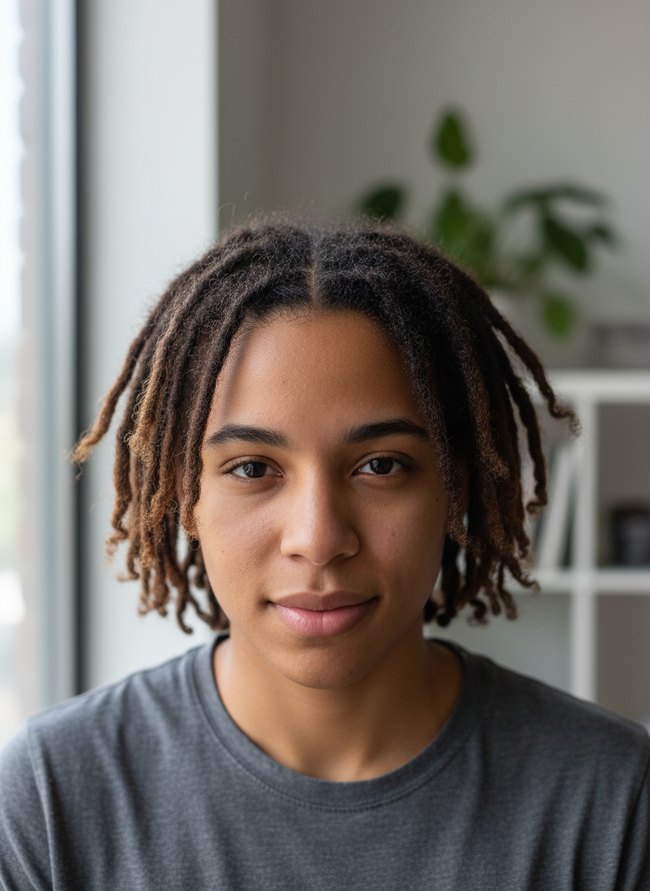
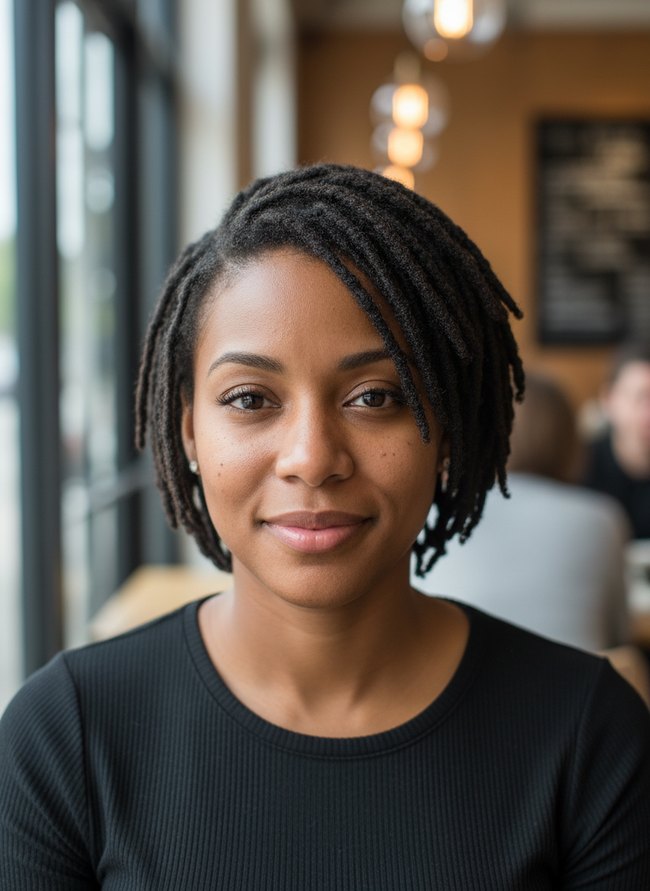
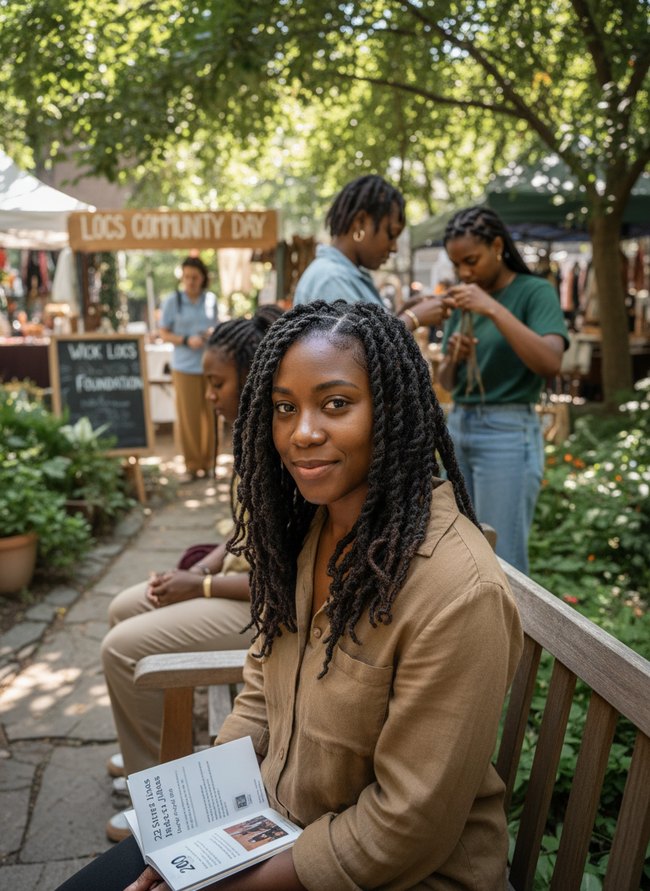
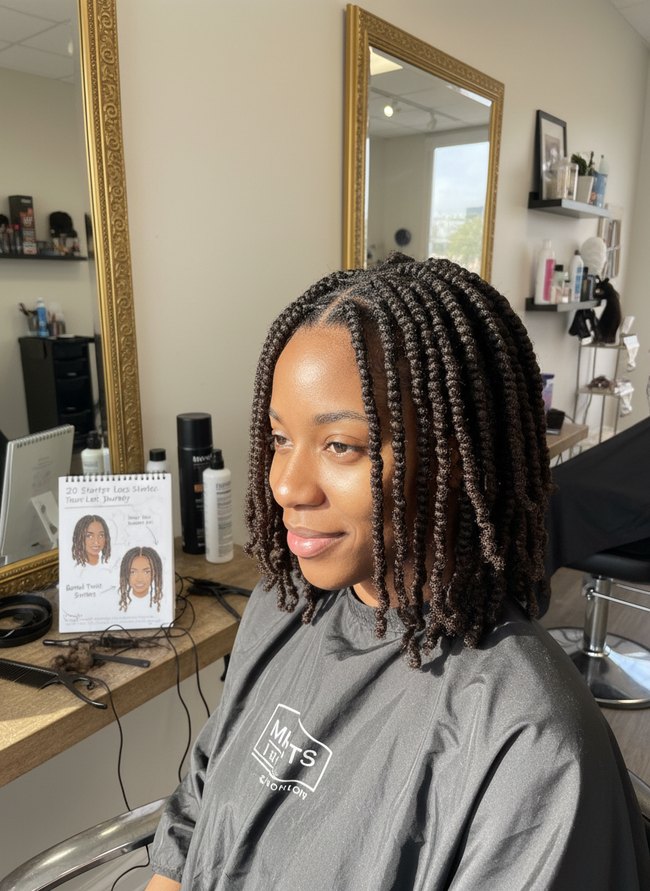
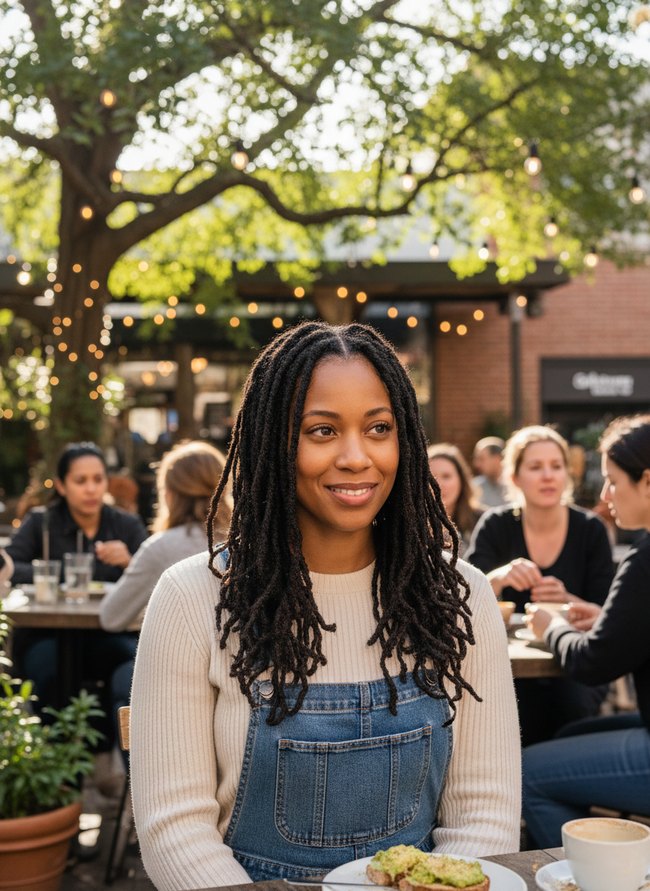
Dark, twisted locs fall across one side of her face in a soft, natural curve. Hair can be styled into a casual side-swept look by parting it deeply on one side. A slightly messy line gives a more relaxed feel to short locs.
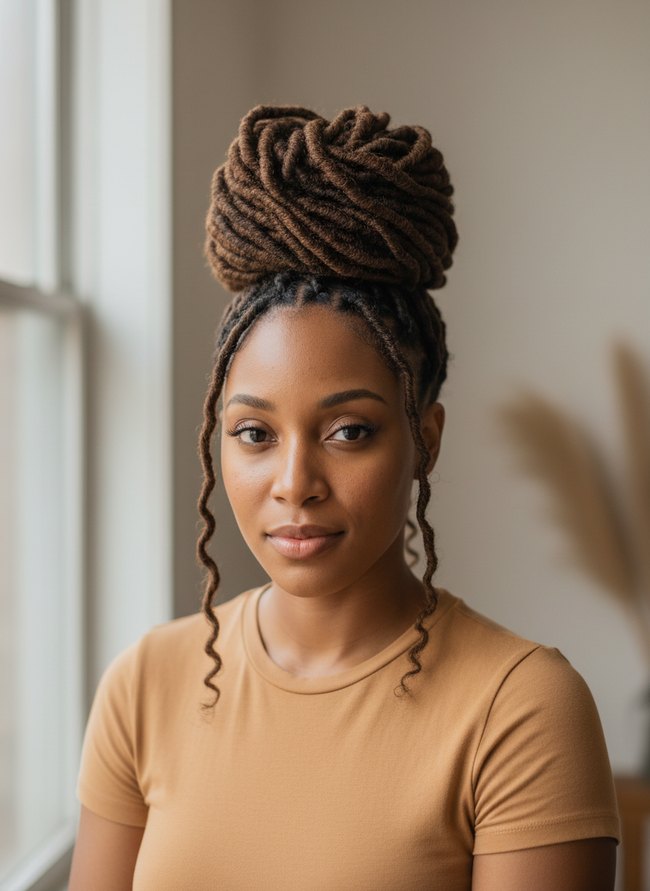
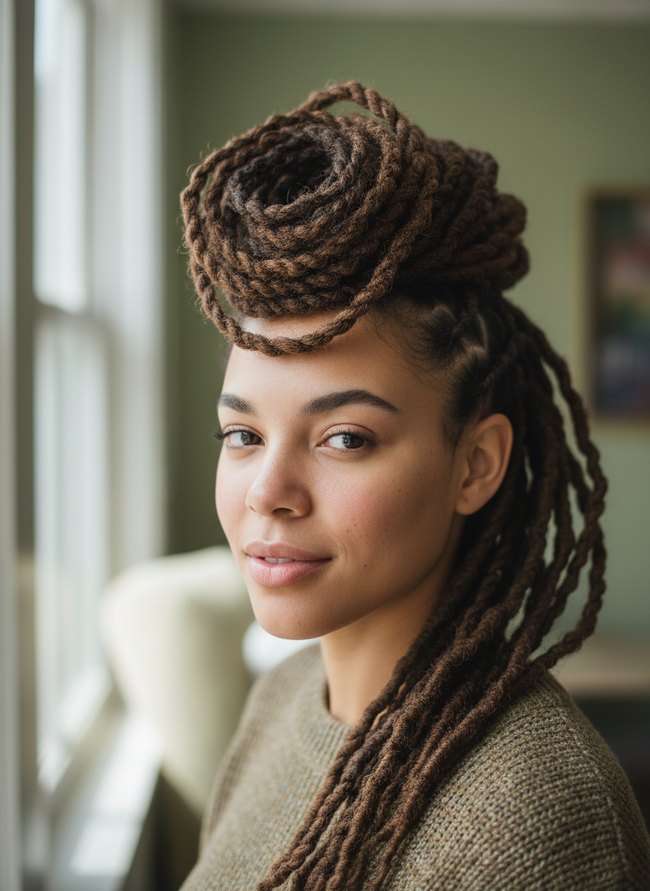
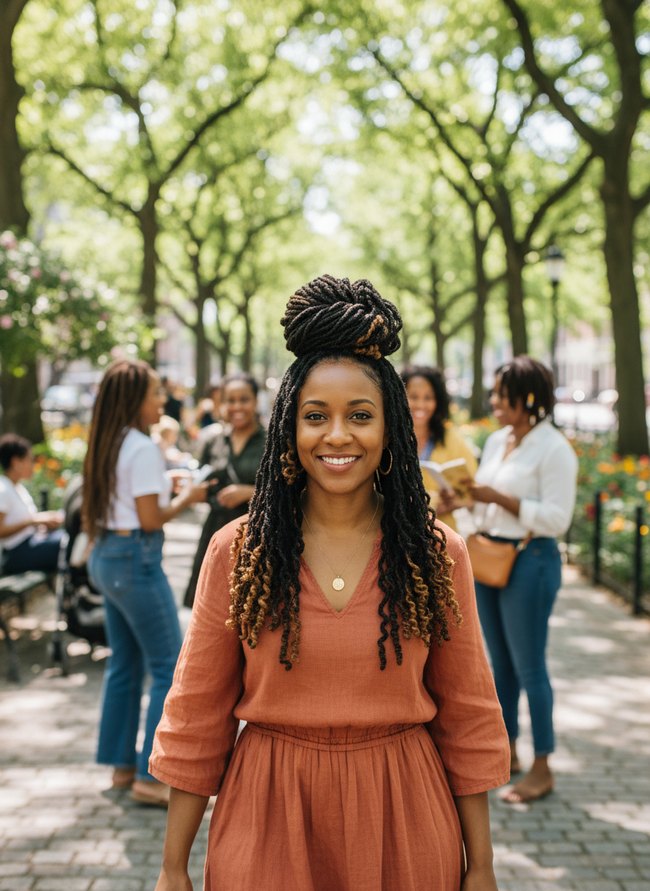
2. Braided Loc Top Knot
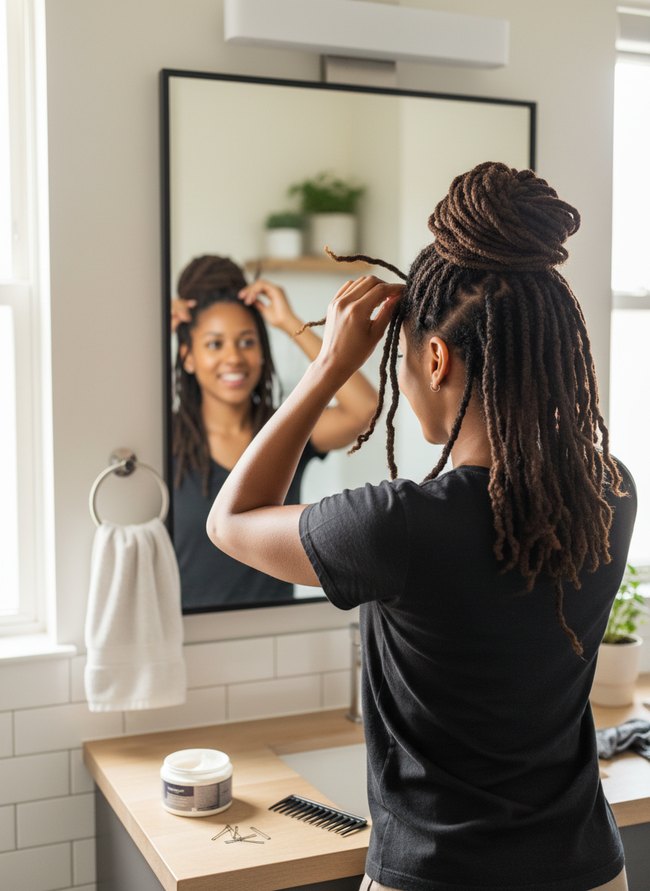
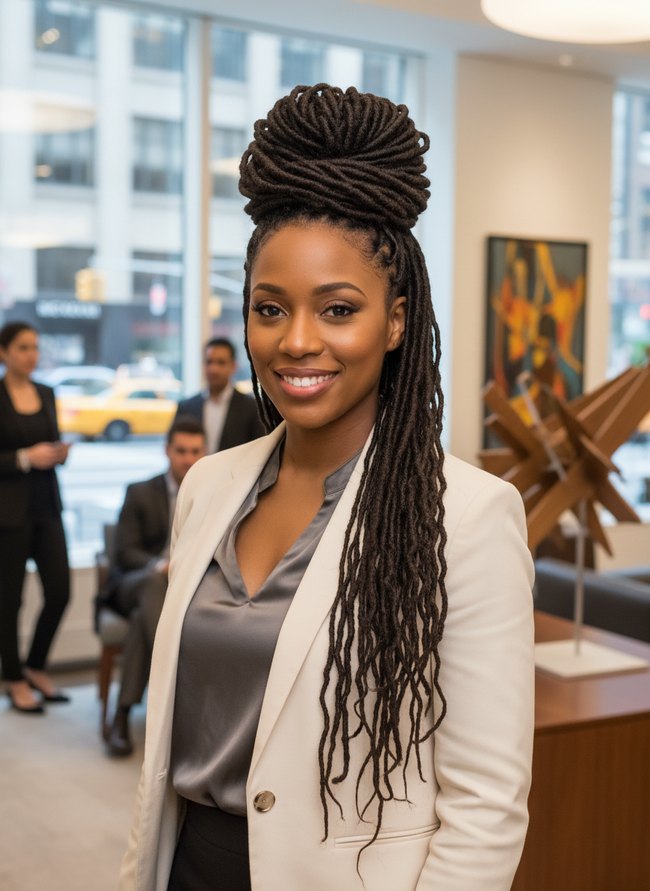
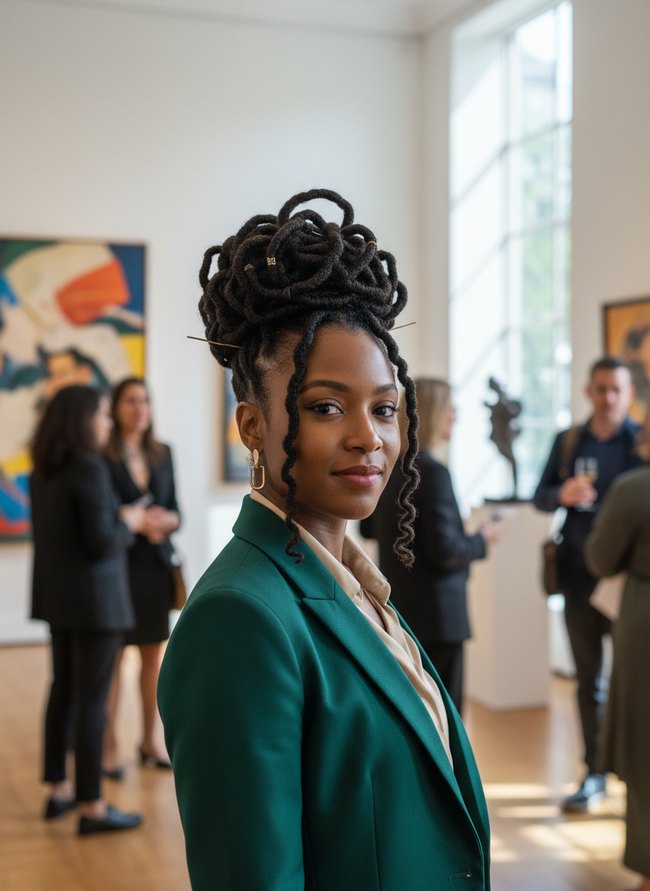
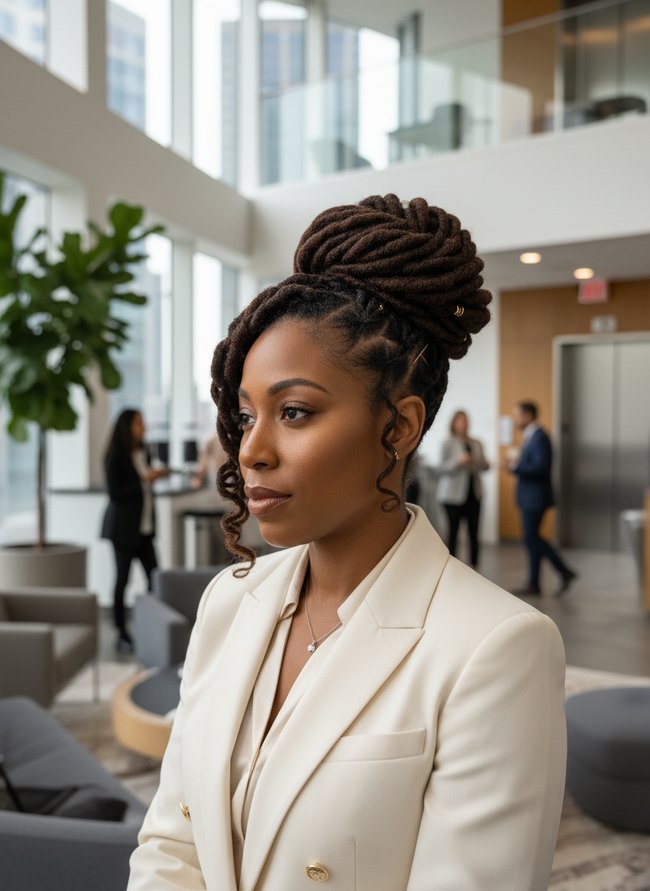
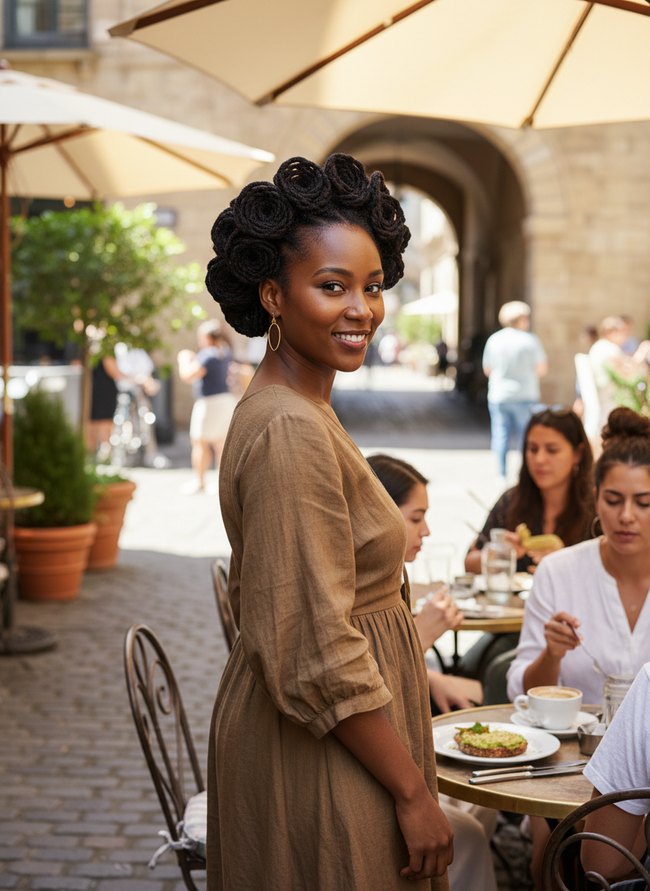
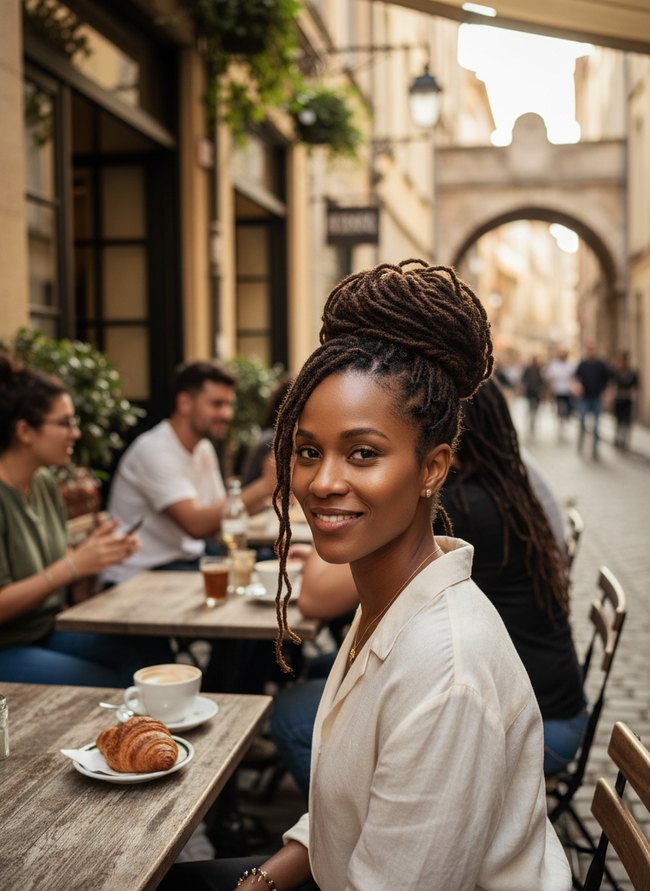
A tall, dark bun sits high on the woman’s head, created from her short locs. Hair stylists can gather their own locs and twist them into a thick rope for a similar top knot. Hairpins secure the finished bun to hold the style in place.
3. Ponytailed Loc Half-Updo
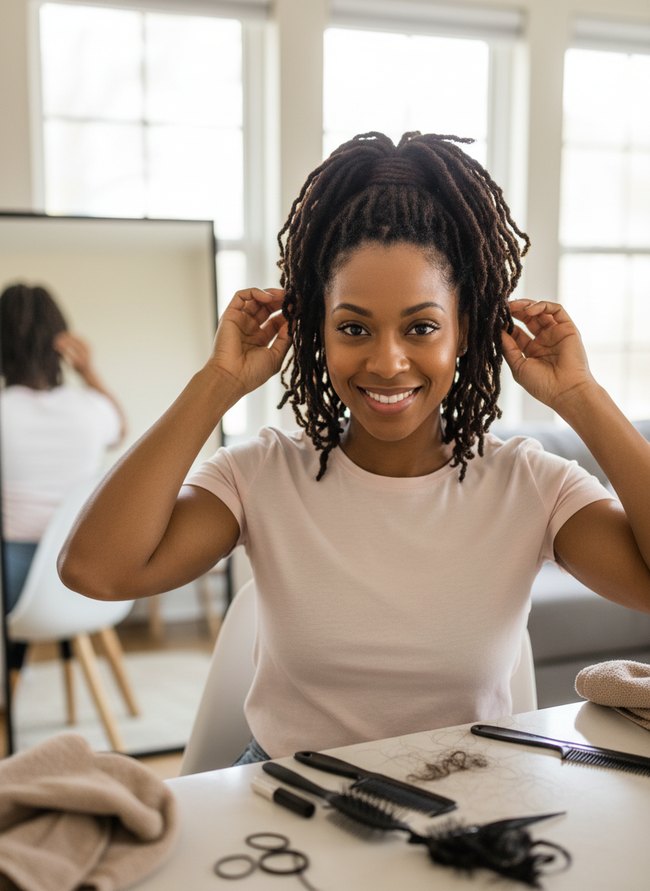
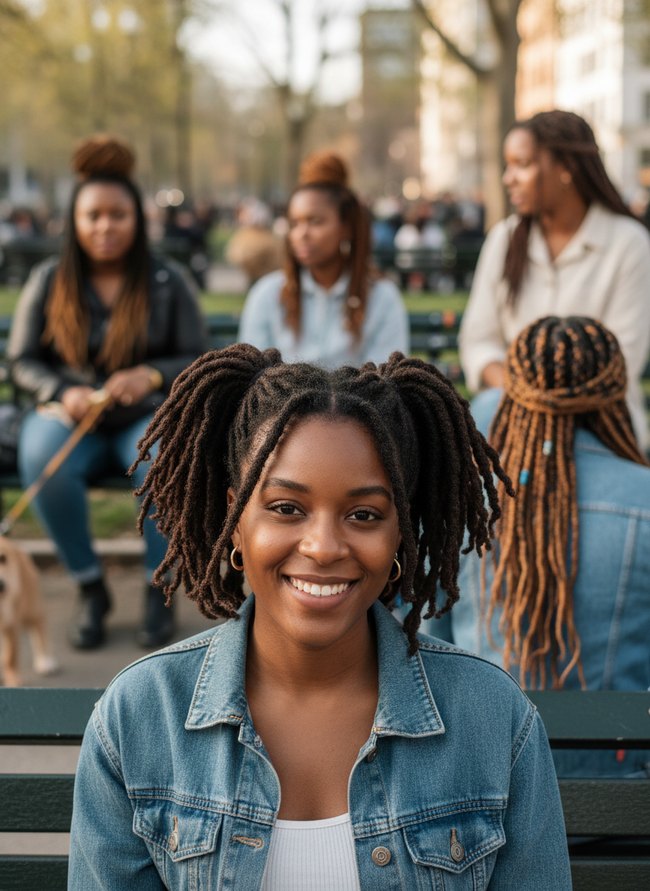
Dark brown locs gather into a high half-updo, creating a playful lifted shape. An elastic band pulls the top section of short locs back to achieve this look. A soft hair tie avoids breakage.
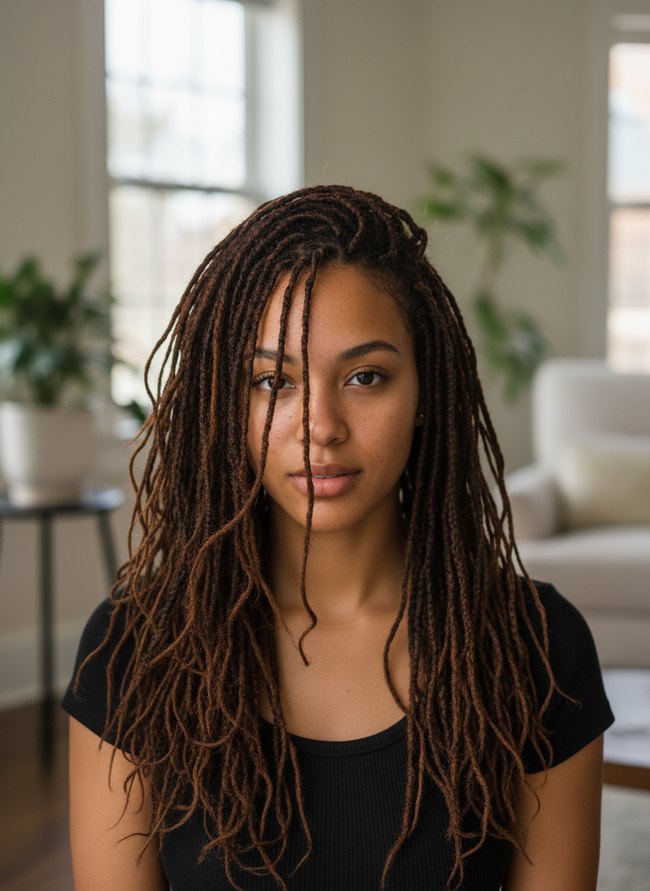
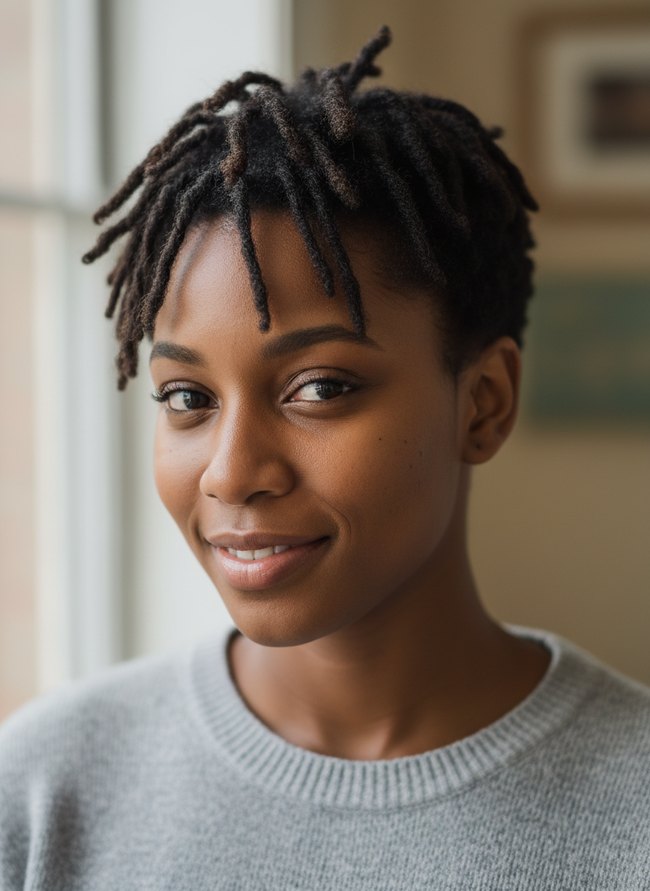
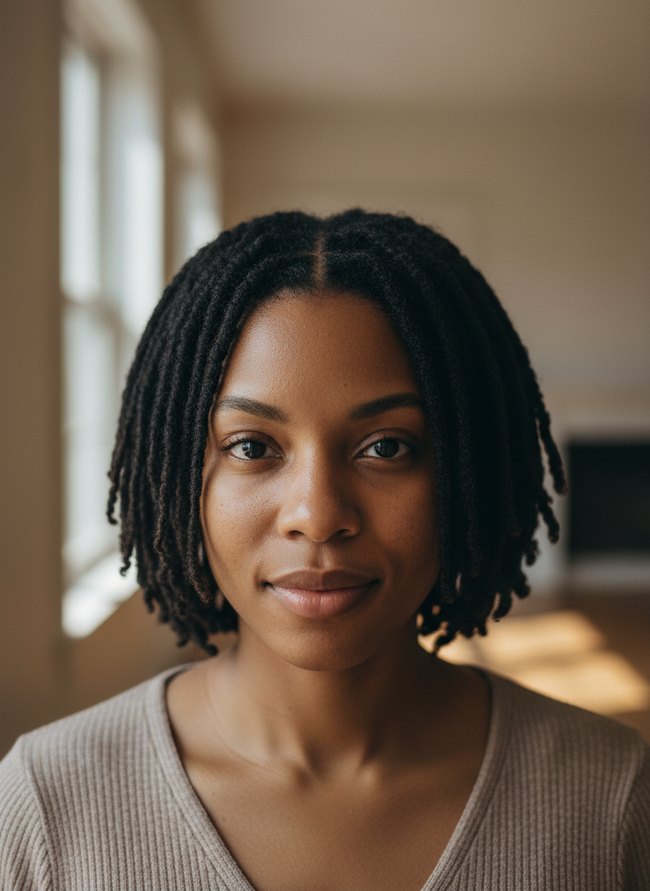
4. Rolled Loc Bang Style
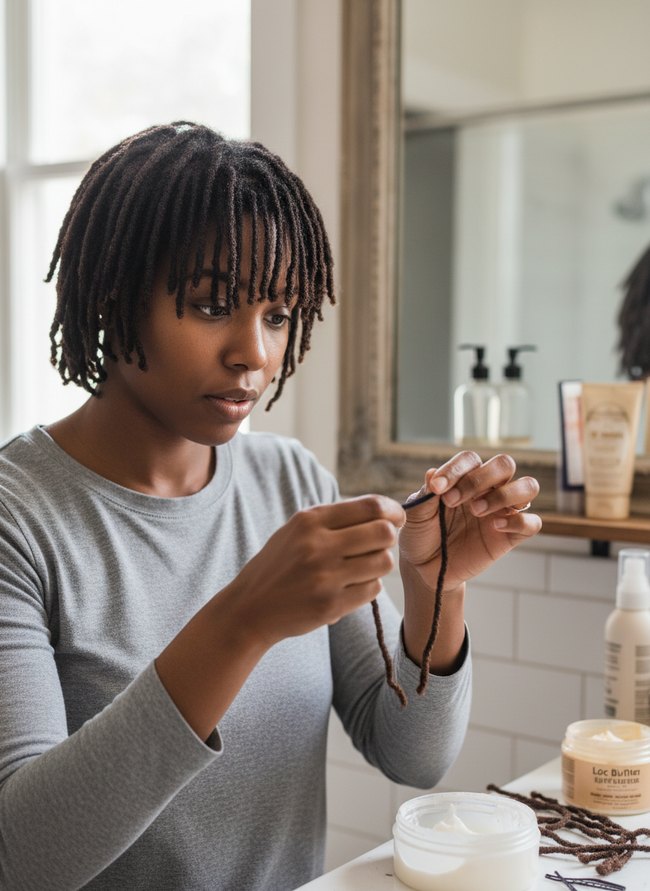
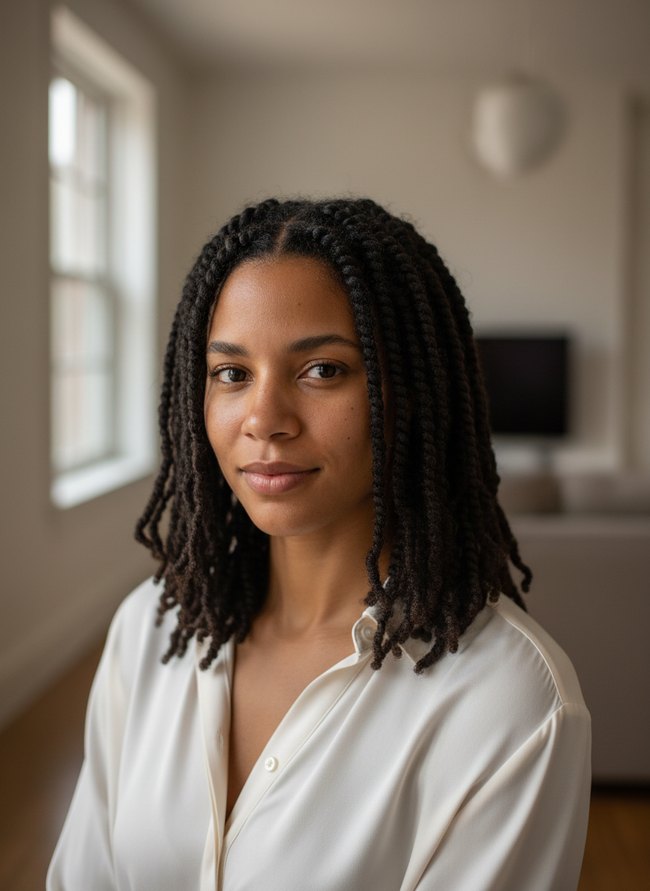
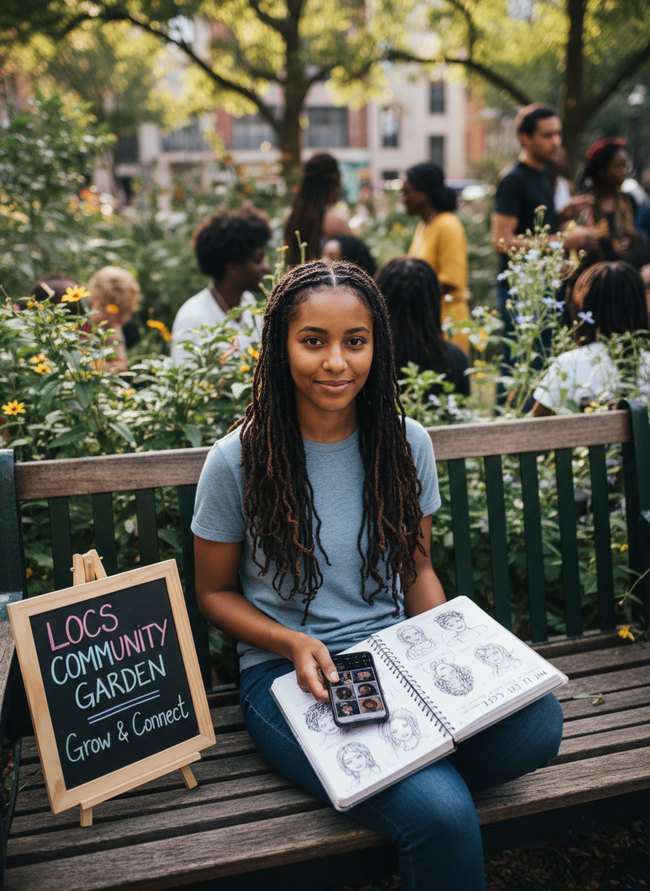
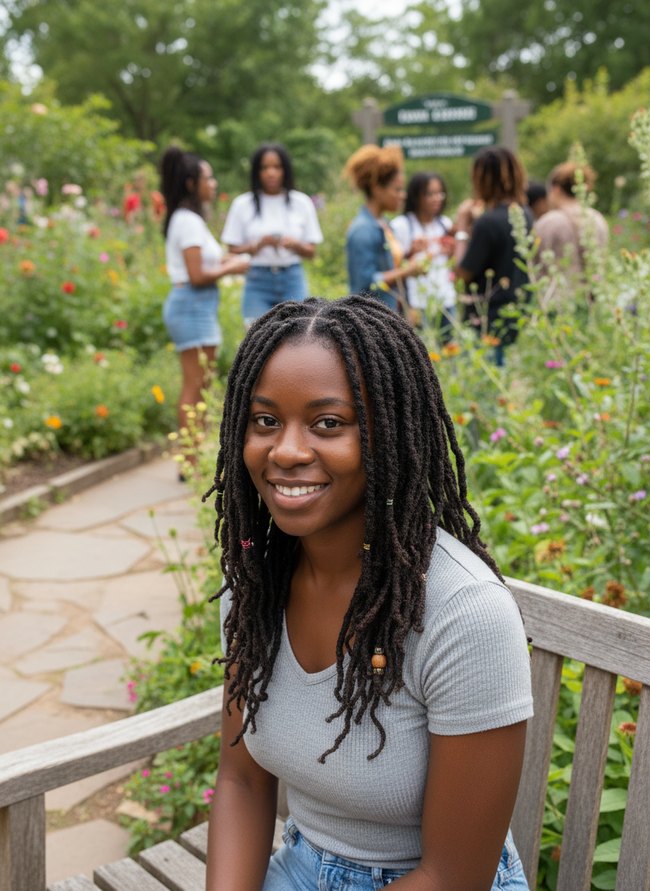
The model’s dark brown locs fall in short, even lengths around her face, creating a full bang. Hair stylists achieve the rolled loc bang by gathering front locs and gently twisting them away from the face. Small hairpins or a thin elastic band secure the rolled locs for a clean finish.
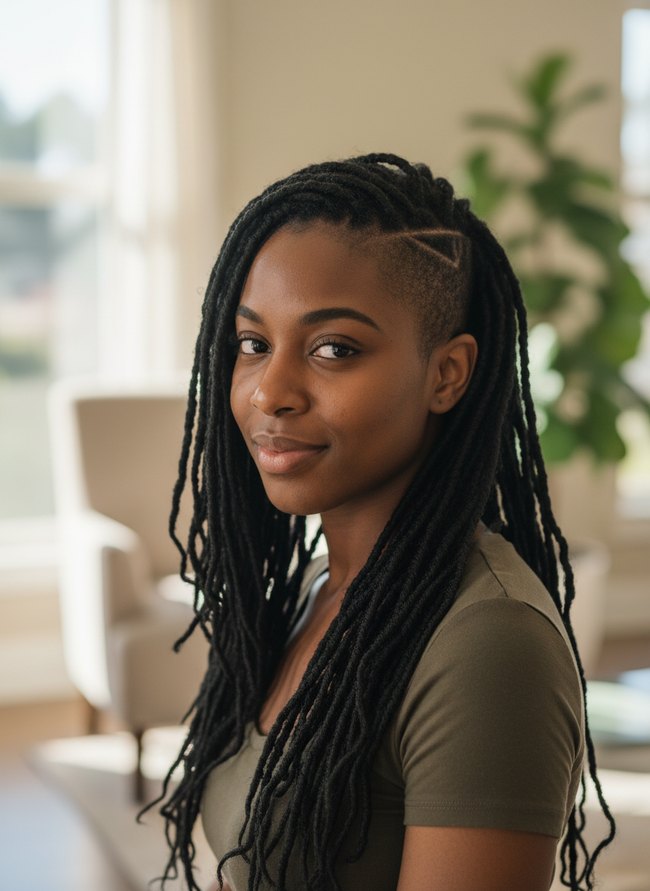
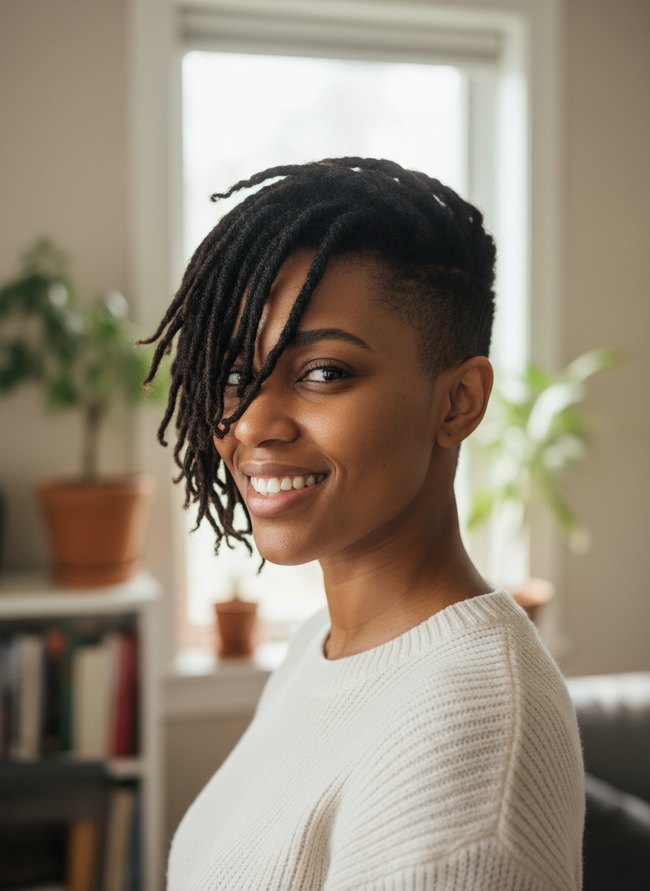
5. Faux Hawk Loc Style
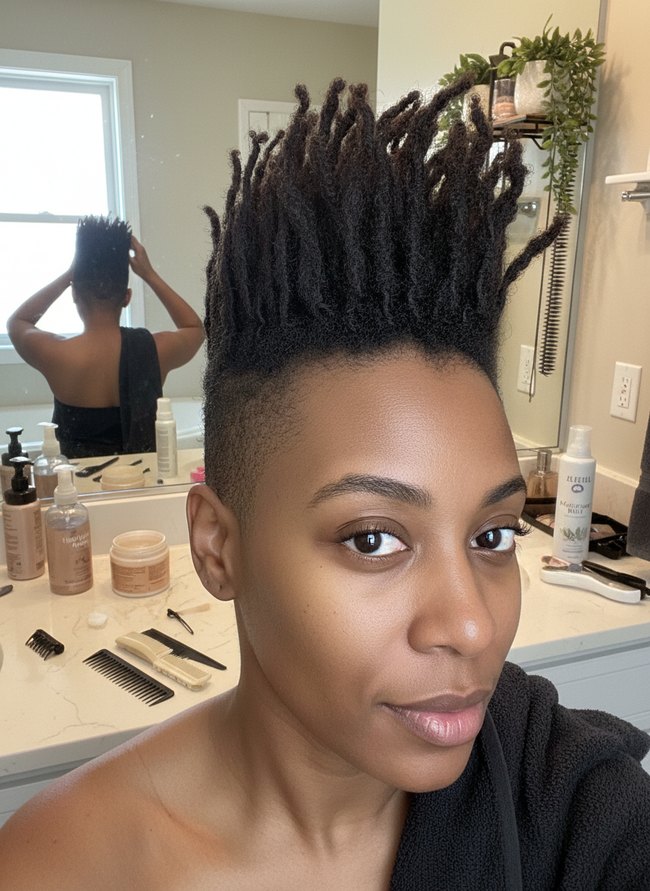
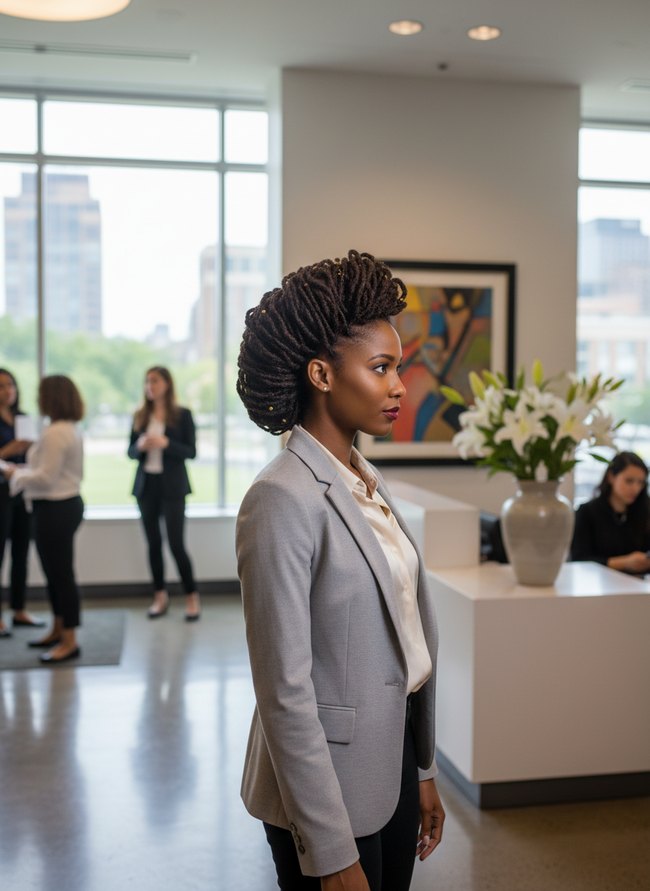
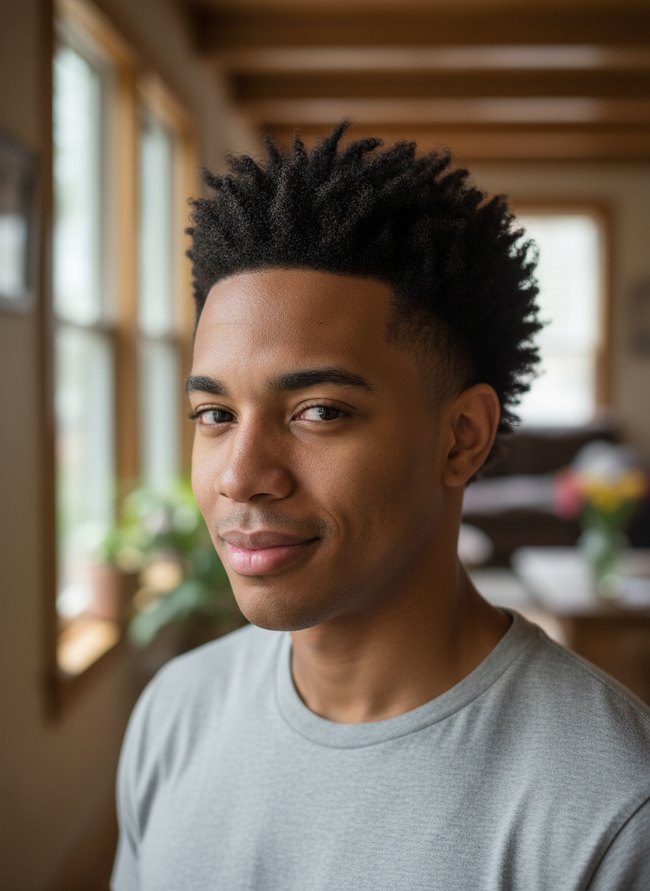
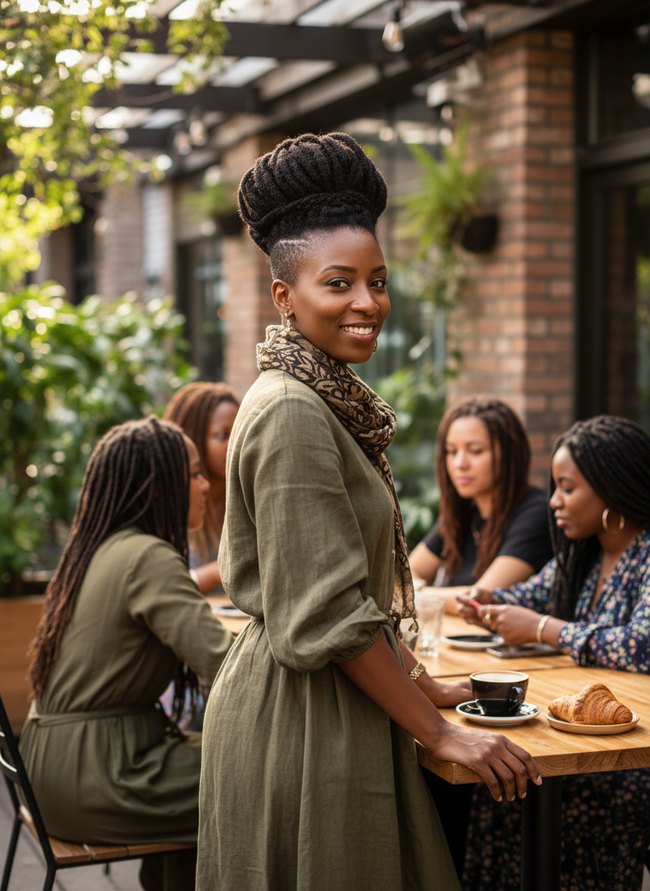
Dark, coarse locs stand tall in a striking faux hawk, giving the style a bold, upward movement. The sides of the head feature a close, faded shave, creating a sharp contrast with the voluminous locs. Hair can achieve this dynamic look by carefully styling short locs upwards, using product to maintain their vertical shape.
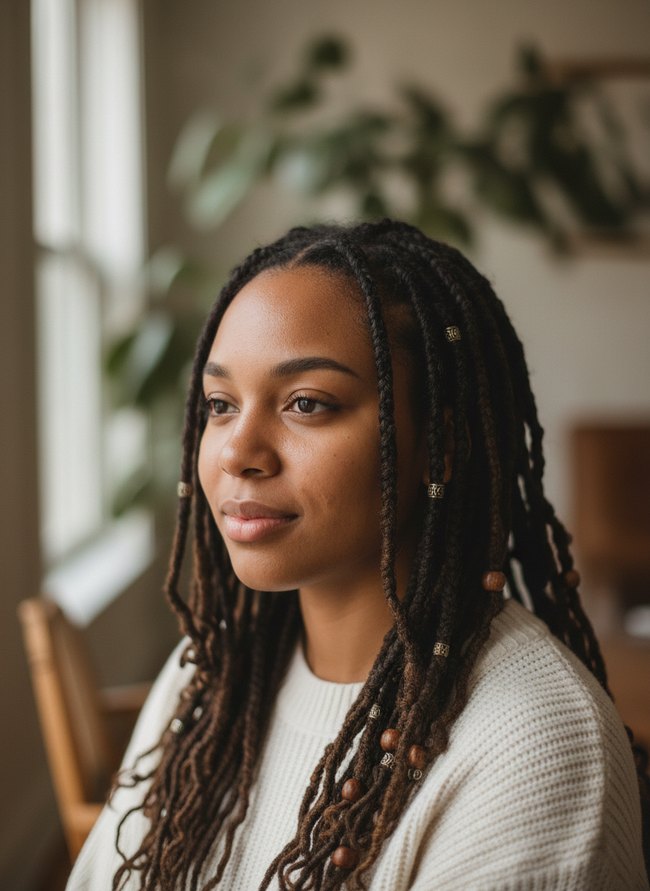
6. Accessorized Loc Pin-Back
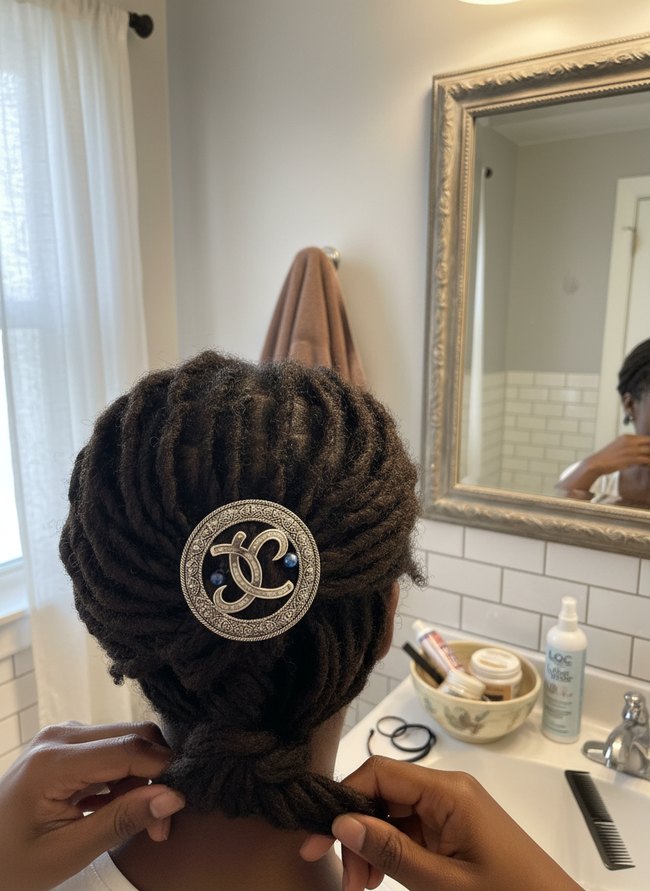
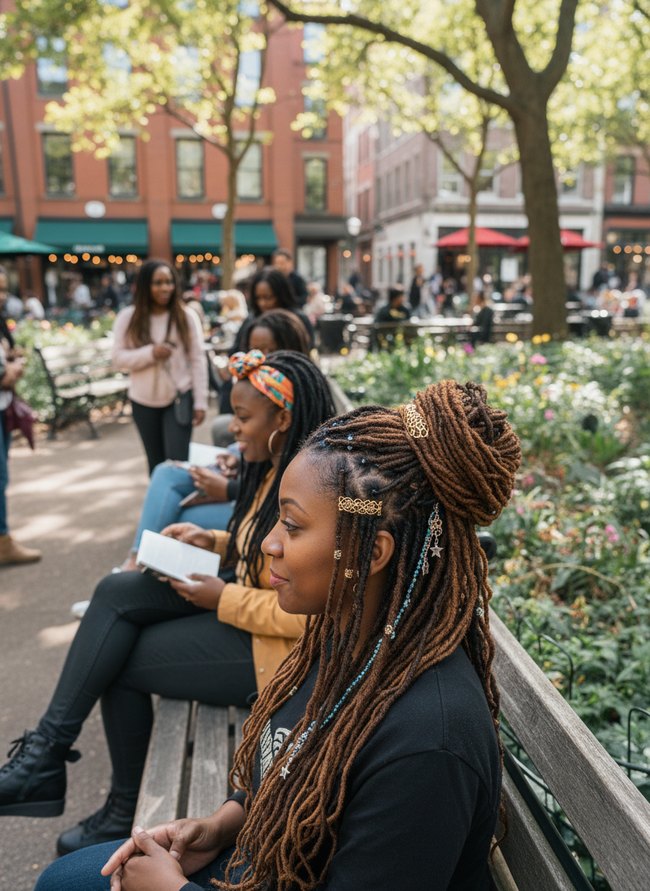
A round, silver hair clip with blue beads holds dark locs in a neat bun. Short locs gather into a simple low bun for a quick, polished look. A decorative hair pin at the back of the bun adds a touch of sparkle.
7. Sculpted Loc Mohawk
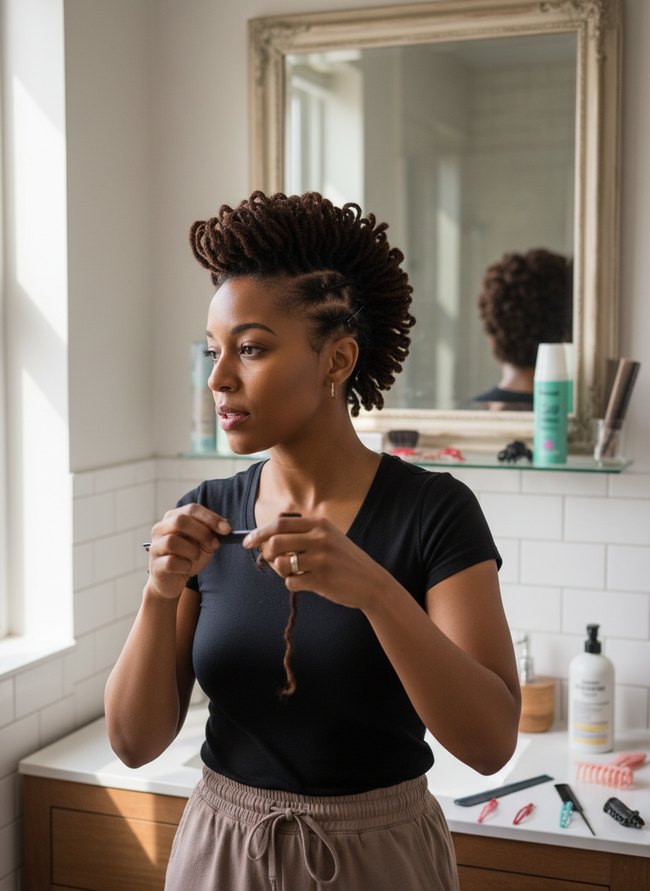
Dark brown locs rise high on the crown, forming a bold mohawk shape. Small silver hair clips secure the sides, creating a clean, defined line. Hair stylists achieve the look by gathering short locs upward and pinning them into place.
8. Curled Loc Defined Ends
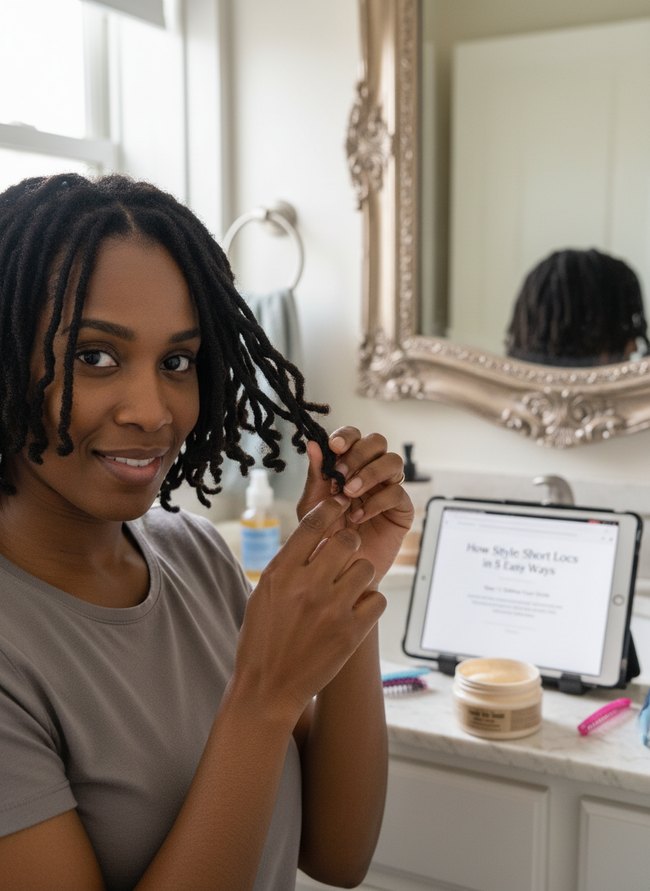
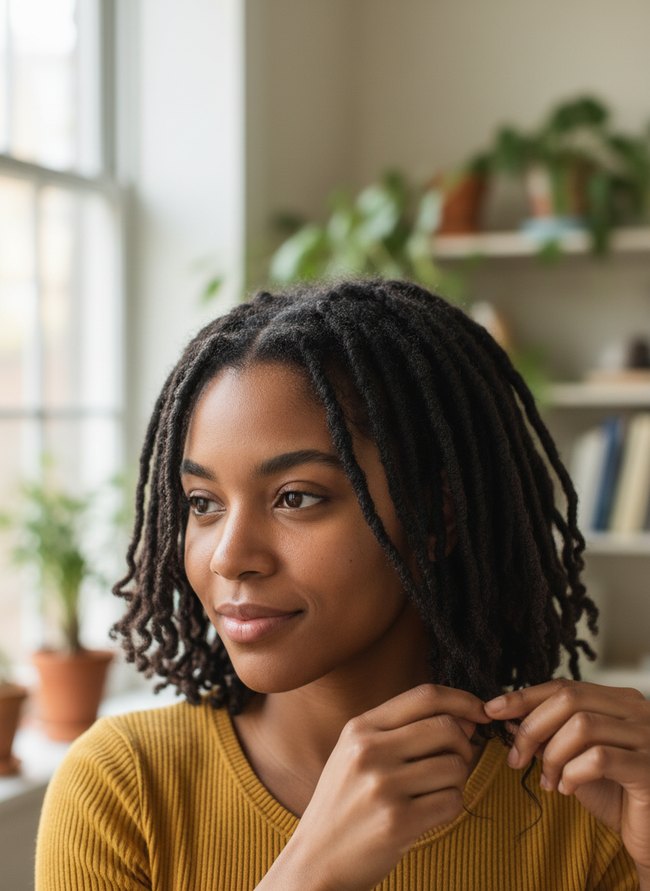
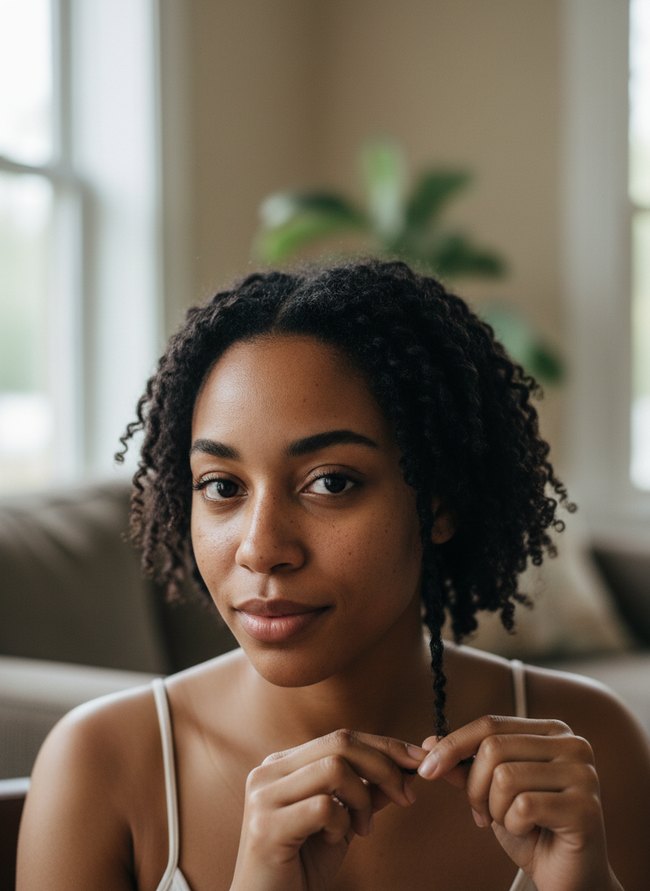
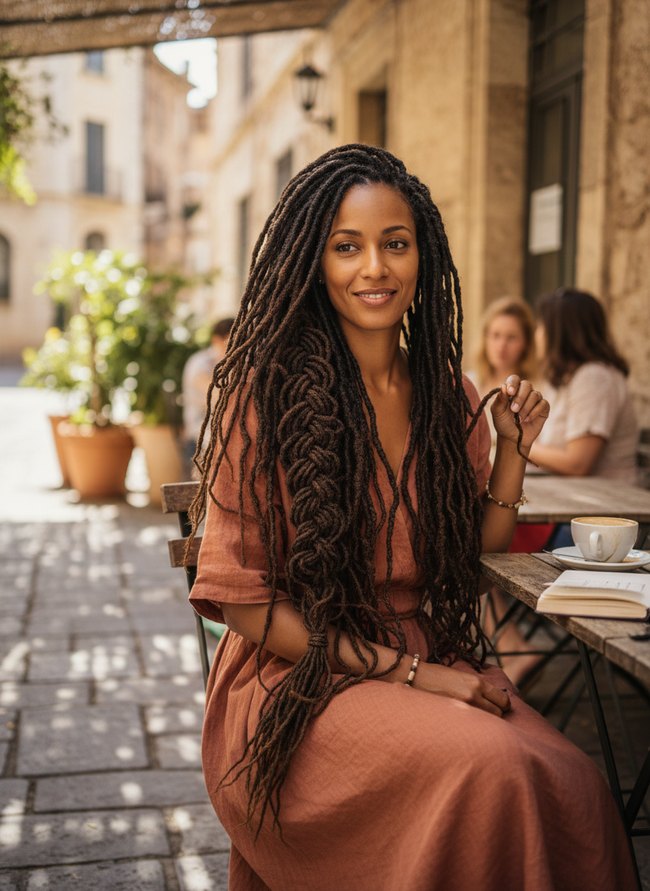
The woman’s dark locs feature neatly curled ends, creating a soft, textured look. Her fingers gently twist a single loc, demonstrating the technique for the defined ends. You can achieve the style by carefully curling the tips of your short locs.
9. Looped Loc Crown Braid
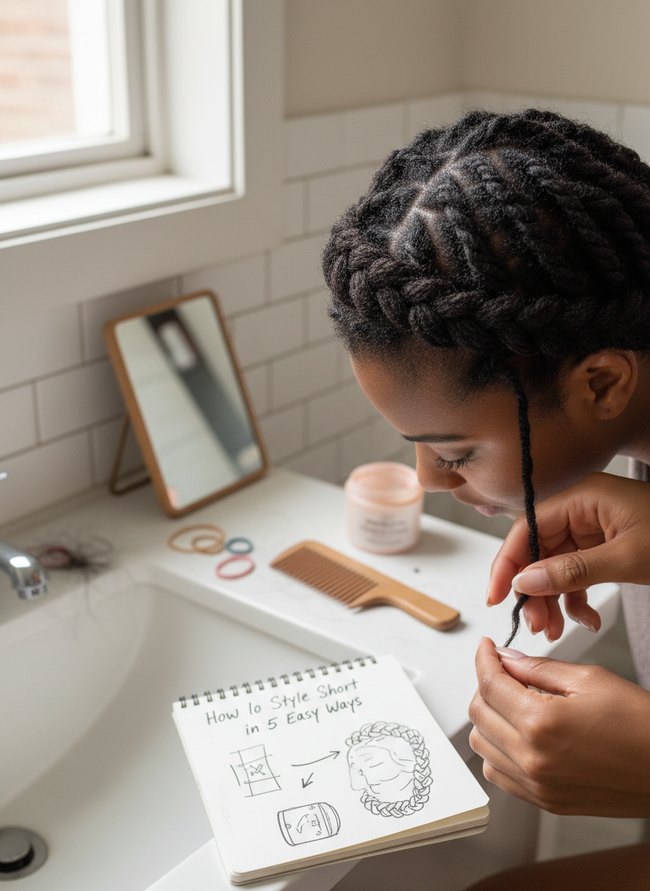
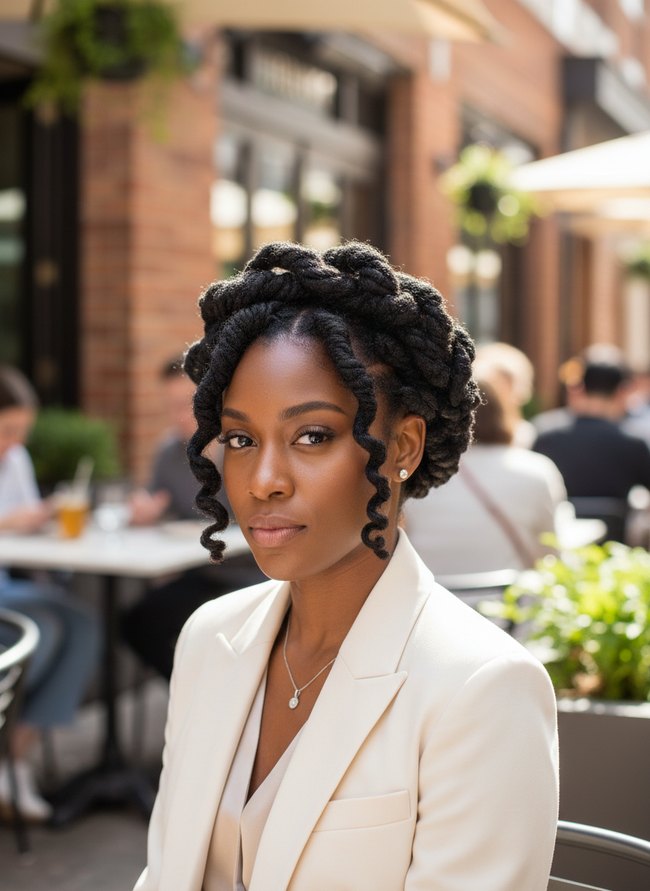
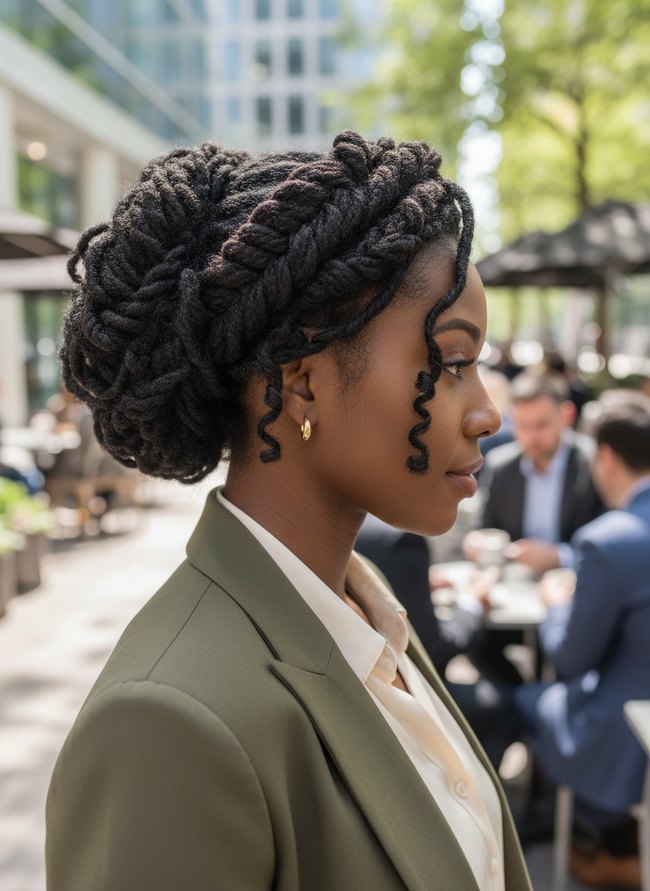
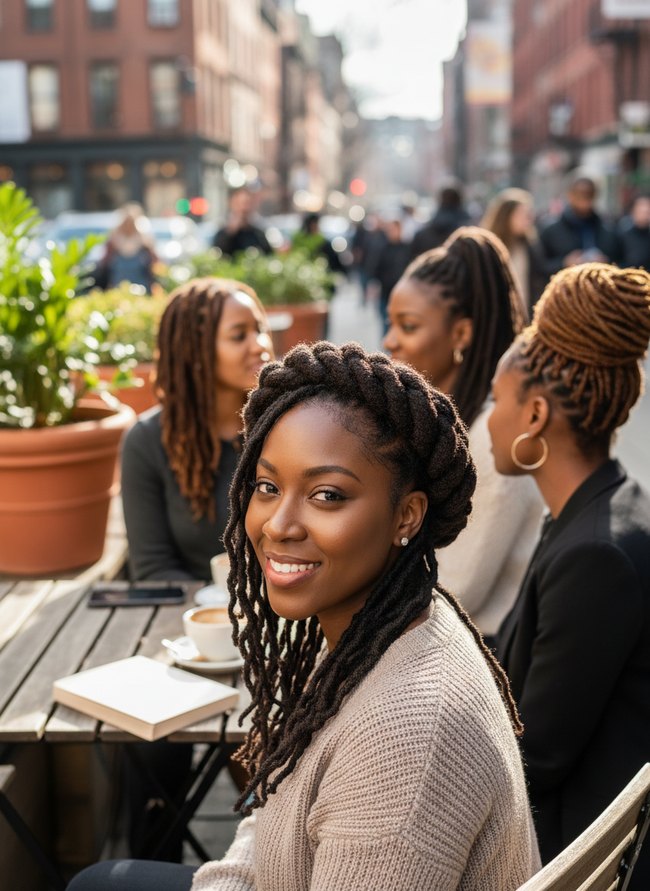
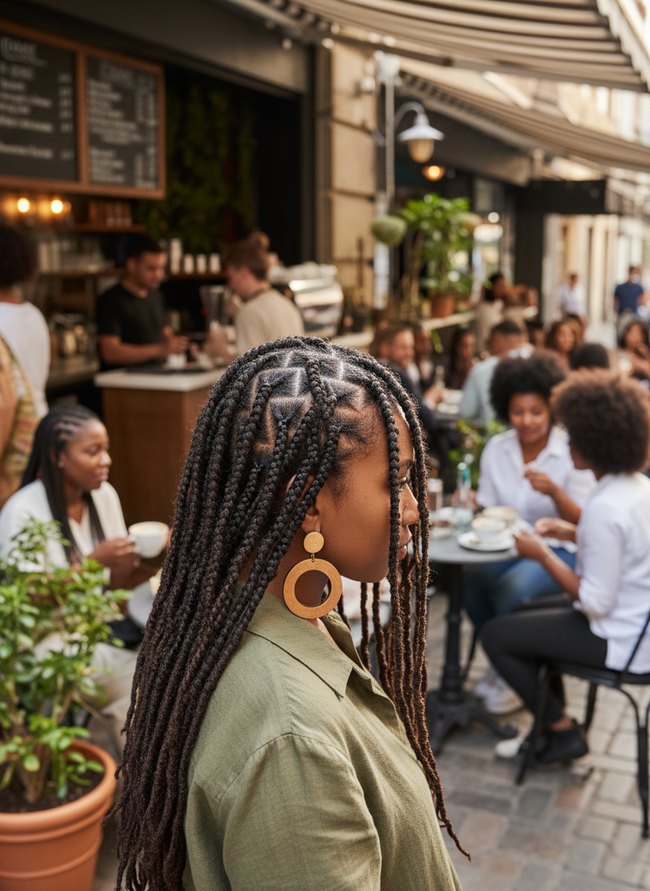
Neat, thick braids form a dark crown around the woman’s head, showcasing a simple way to style short locs. Individual locs twist together, creating a sturdy base for the braided crown. Even tension ensures a smooth, polished finish.
10. Asymmetrical Loc Sweep
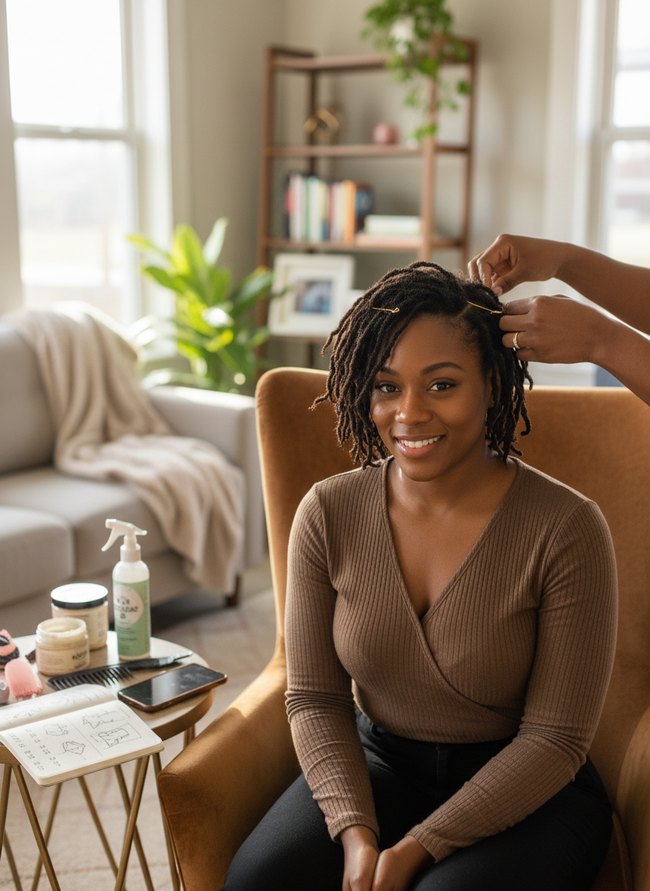
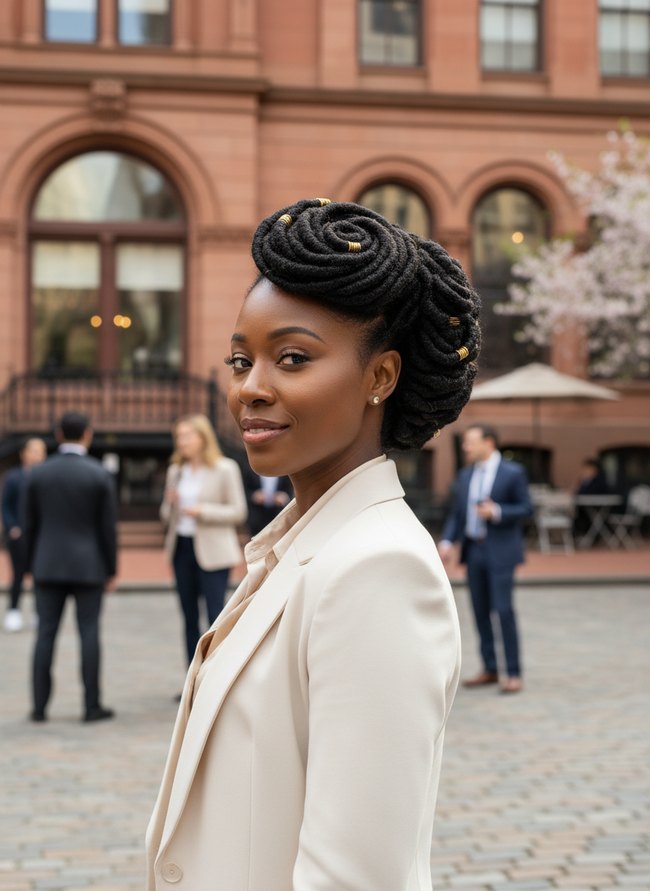
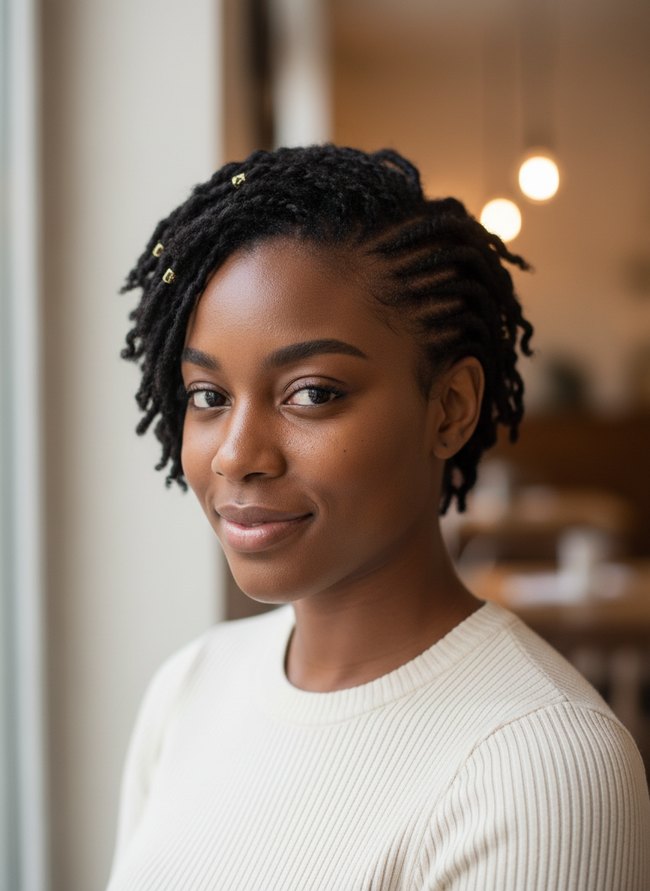
Golden hairpins hold dark locs in a swept asymmetrical style around the woman’s face. Short locs with a similar sweep are easily achieved by gathering front sections and securing them to one side. Small, sturdy pins keep the locs from slipping.
11. Intertwined Loc Buns
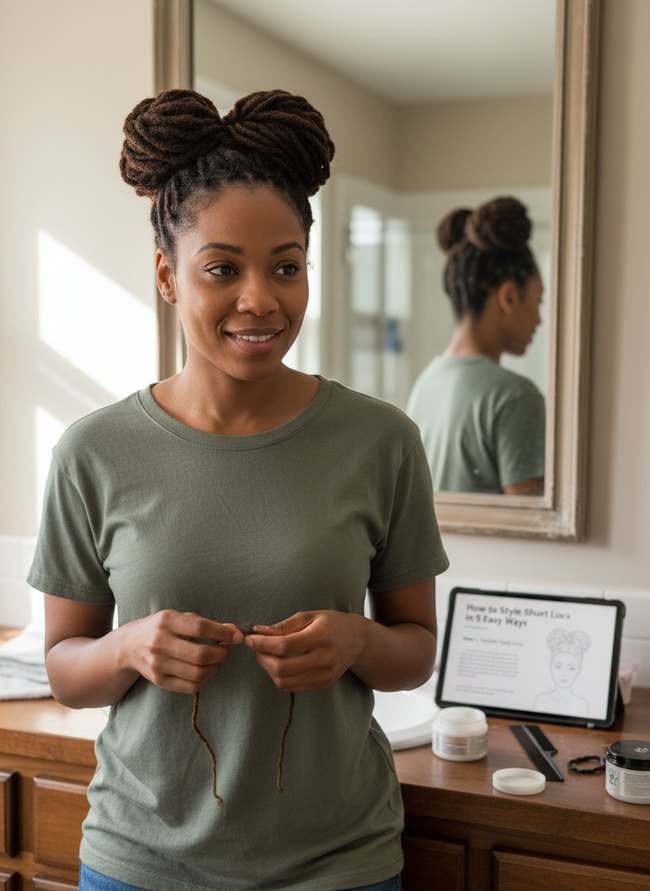
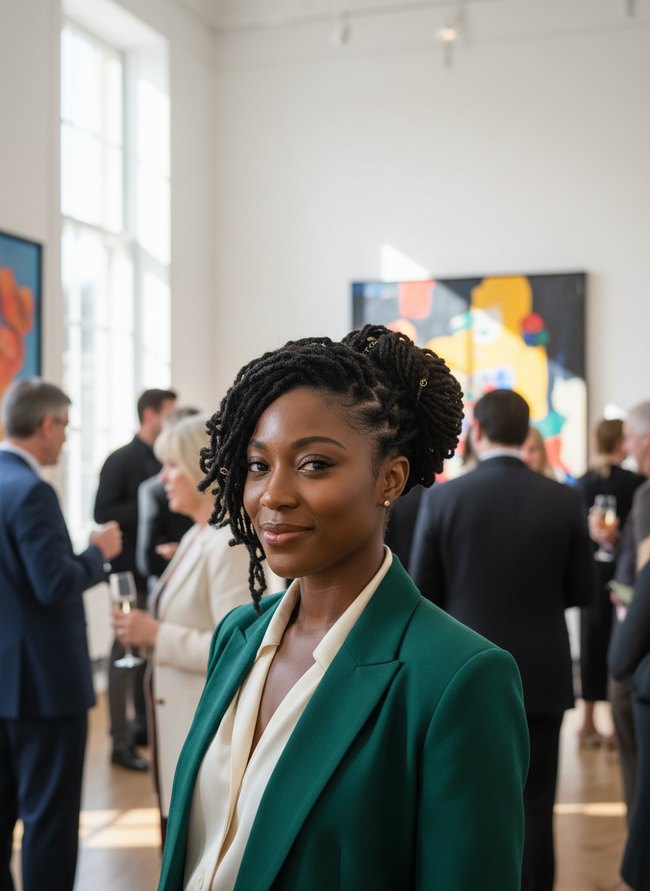
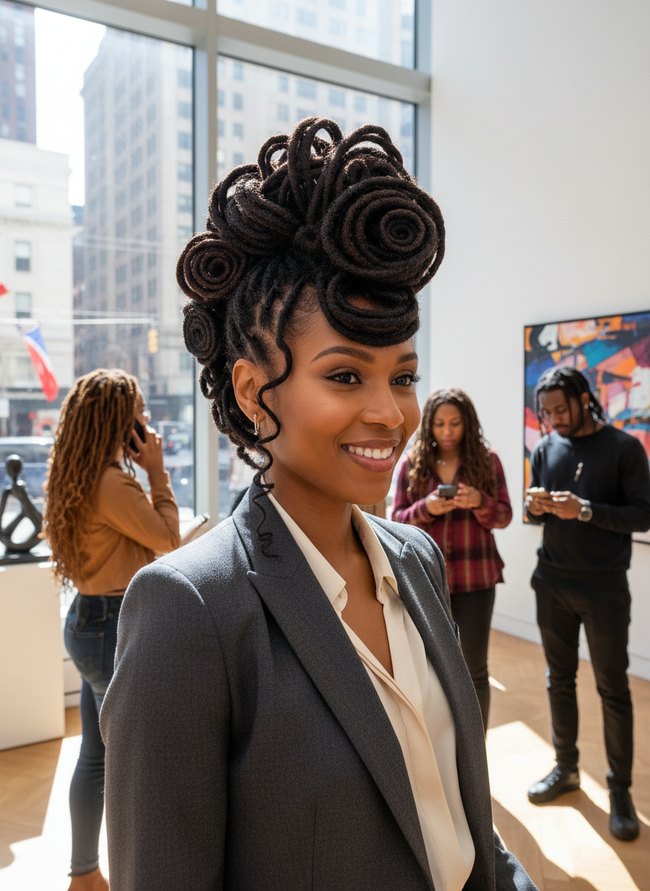
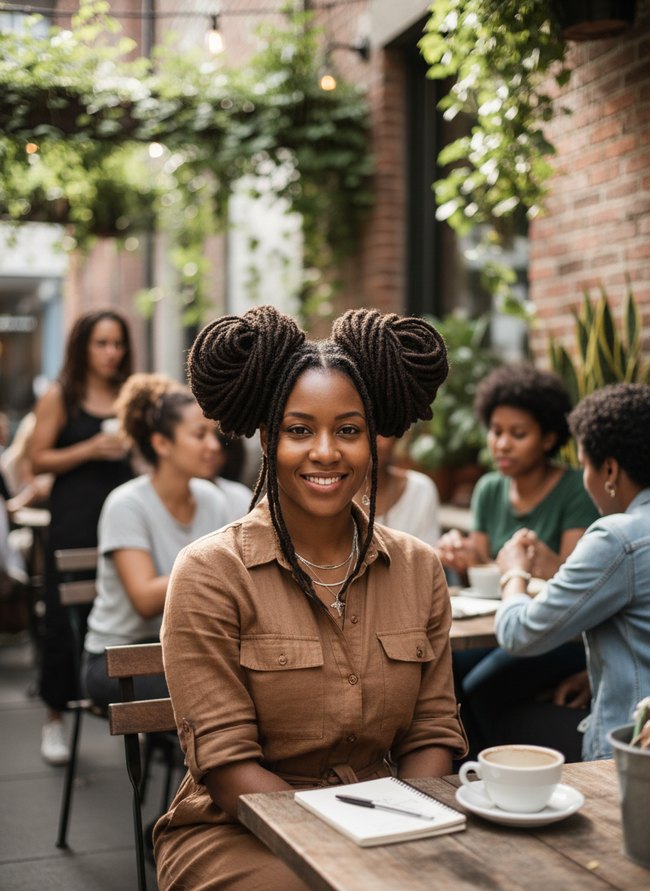
Two thick, dark brown loc buns sit high on the woman’s head, creating a symmetrical shape. The intertwined buns offer a creative way to style short locs. Hair stylists achieve the look by gathering locs and twisting them into two neat, rounded coils.
12. Wrapped Loc Headband Look
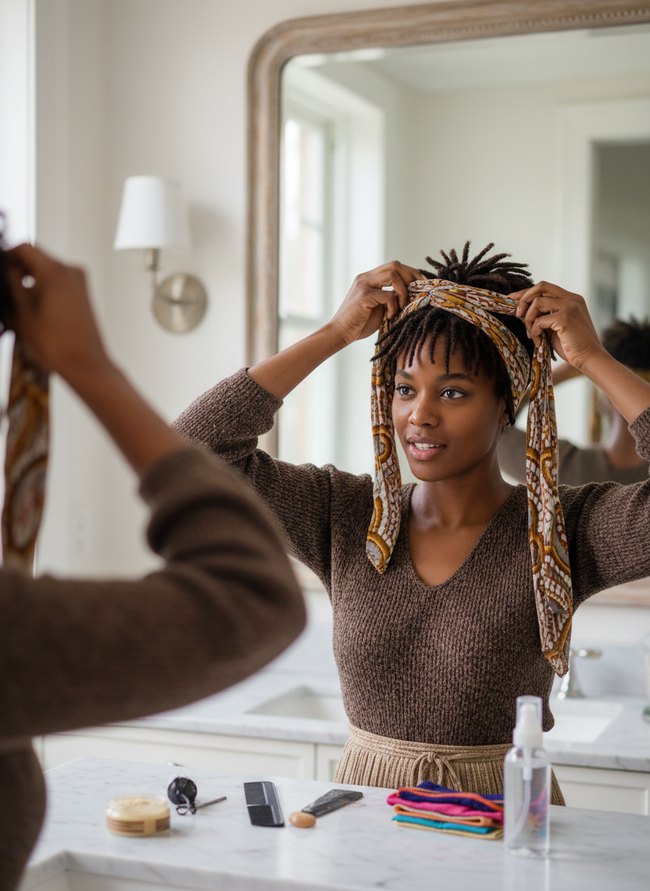
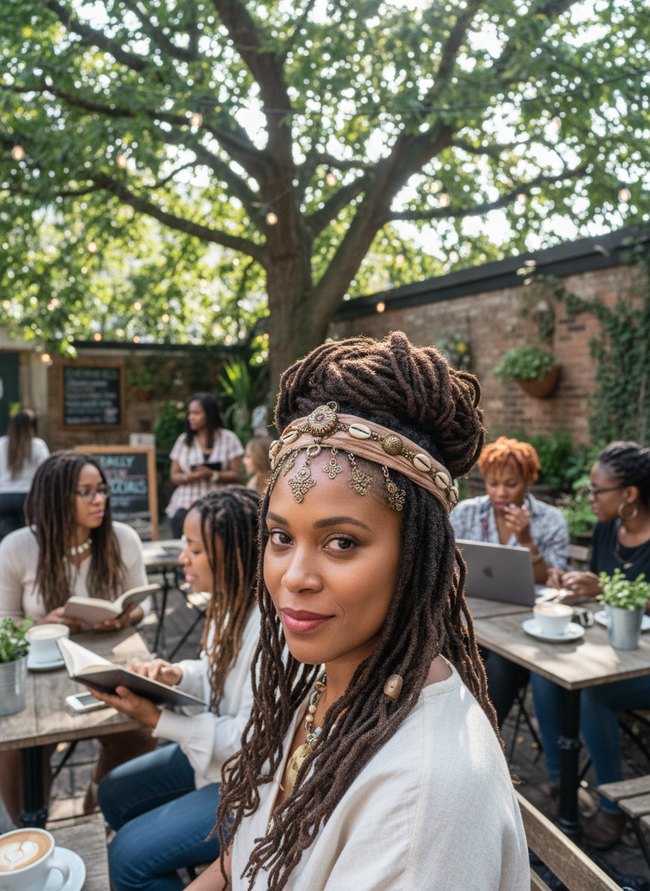
A woman wraps a patterned cloth around her dark, short locs in a bright bathroom. You can achieve this wrapped loc headband look by using a colorful fabric scarf. The scarf’s soft fabric provides comfort and style.
My locs are too short for *any* style – what then?
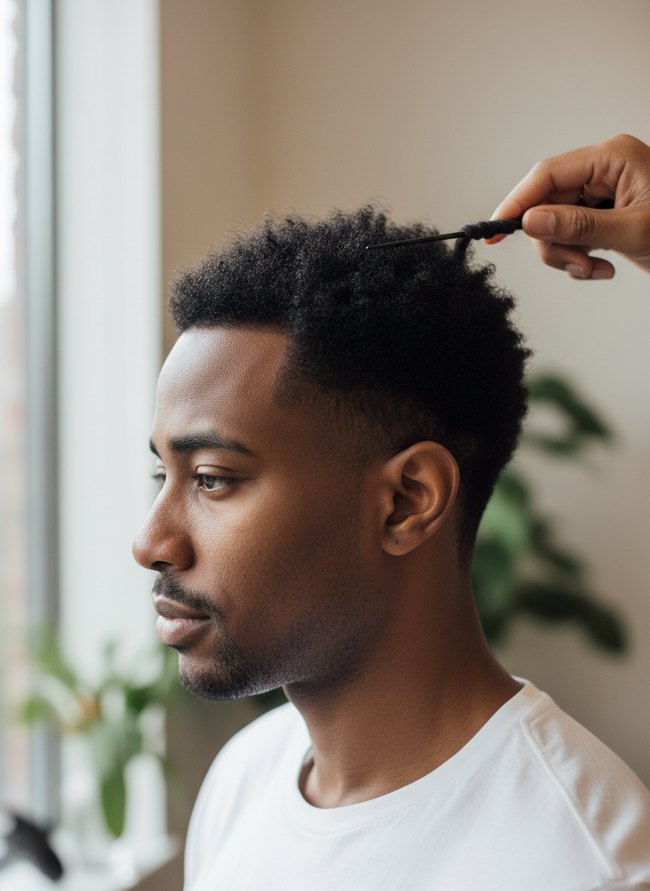
You might believe your short locs offer no styling options. Many people think a two-inch loc is just too small for any real shape. A common mistake involves trying to twist these tiny locs into elaborate updos. That approach often pulls the scalp too much. Instead, consider simple, flat patterns. You can lay down a flat twist around the temple line. This keeps tiny loc ends neat.
Another common thought is that new locs cannot hold any design. Most folks just let fresh new locs hang loose. This leaves a plain, undefined look. For short, new locs, you can use small, black hairpins. Pin two locs together at the scalp for a soft, wavy effect. A single shiny metal clip behind the ear creates a subtle accent. You can also craft a tiny loc Mohawk. Simply gather the center locs and secure them with a dark rubber band. These small touches add plenty of character to your short locs.
Help! My twists/braids keep unraveling and looking messy!
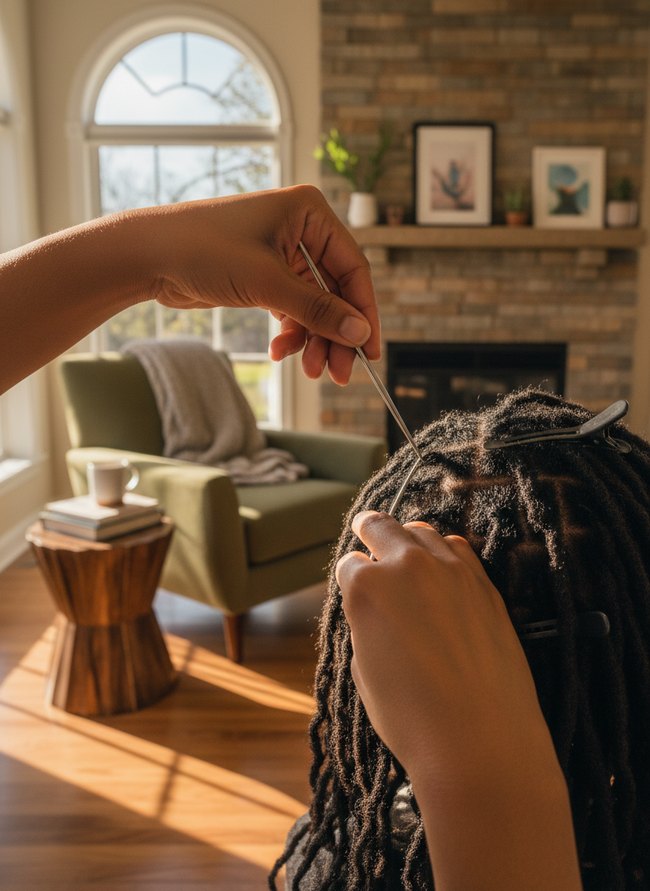
Many people grab a small twist and start winding. Others think bigger sections make the locs last. A tiny one-inch square section of sandy brown hair, however, gives a better grip for your short locs. That small square base holds the twist much tighter. Most folks simply grab any gel bottle. A thick, clear gel with strong hold, like a blue-tinted spiking glue, really locks strands into place. You want your fingertips to feel a slight tackiness on the hair.
You might pull the hair too tight at the root. Many believe this makes a style last longer. Instead, a loose root with a firm shaft creates a durable style for your short locs. Tight roots pull and cause stress on your scalp. Gentle tension at the base secures the twist. Most tutorials show quick twists. A slow, even rotation, like turning a wooden dowel, smooths each hair strand into the twist. This method prevents tiny flyaways. Those little hairs make your style look fuzzy. A tight, uniform twist from root to tip keeps your style neat for days.
Which Idea Will You Try First?
That’s 12 different takes on how to style short locs. The best ideas above are usually the smallest moves — one material, one layout shift, one piece of furniture in the right place. Pick whichever room feels closest to your space and start there before tackling the rest.
Found an idea worth keeping? Save this post to your Pinterest board so it’s waiting for you when you’re ready to start your own project.